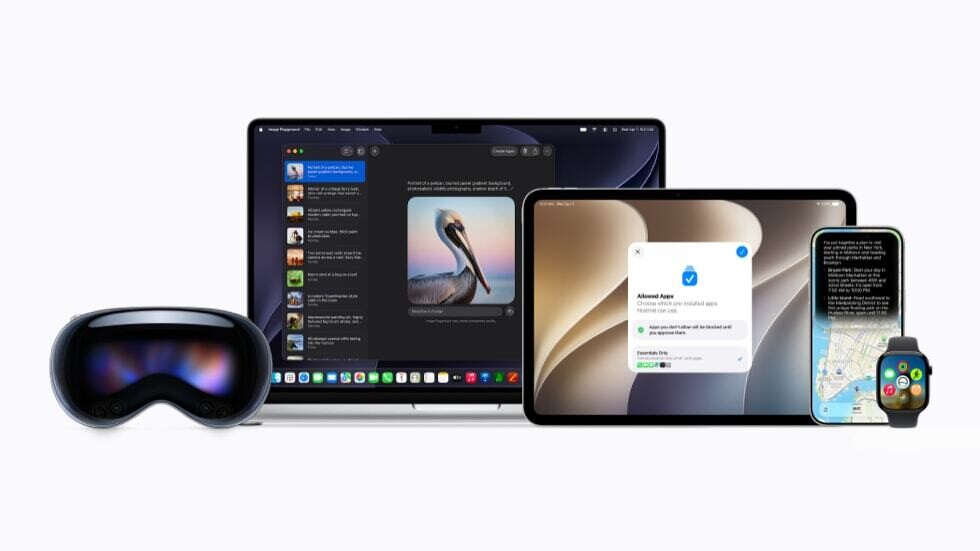
Apple’s latest VisionOS increment isn’t about fanfare—it’s about function. With version 2.7, the company has quietly introduced two features that, while not yet visible on today’s devices, point toward a more immersive and efficient future for smart glasses.
The first is a new way for Siri to handle visualizations. Instead of static displays, these can now adapt dynamically based on where the user looks—a feature designed with gaze tracking in mind. It’s subtle but significant: it suggests Apple is thinking beyond traditional screens toward interfaces that respond more naturally to human behavior.
The second change is less visible but no less important. Behind the scenes, VisionOS 2.7 includes optimizations for memory and graphics rendering, aimed at improving performance on devices with limited resources. This isn’t just about making current hardware run smoother; it’s about preparing the system to handle the demands of future wearables, where power efficiency will be critical.
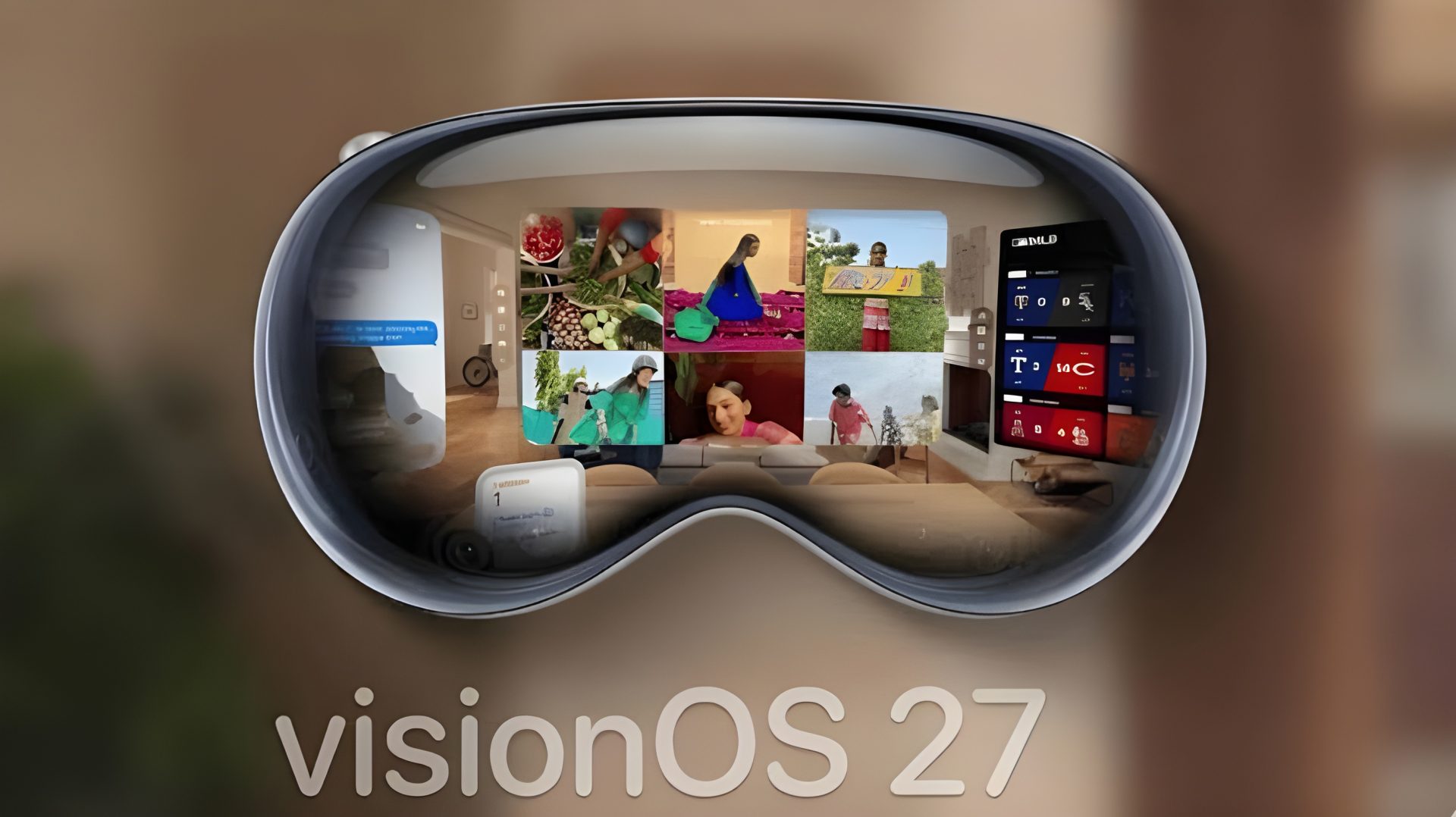
But while these improvements are real, their immediate impact is still uncertain. Gaze tracking requires specialized hardware that hasn’t yet made its way into consumer products on a large scale. And smart glasses, despite years of anticipation, remain a niche market. For now, VisionOS 2.7 feels more like a bridge than a breakthrough—one that sets the stage for what’s to come rather than delivering immediate innovation.
Apple’s strategy here is clear: refine the foundations before building outward. By testing how visualizations behave in response to user input, the company is shaping expectations for augmented reality interfaces. It’s not just about Siri; it’s about rethinking how we interact with information in a world where wearables become more than accessories but extensions of our perception.
The question isn’t whether this will work—it’s whether Apple can make it feel natural before the market is ready. For tech enthusiasts and developers, VisionOS 2.7 is worth watching, not because of what it delivers today, but because of where it might lead tomorrow.