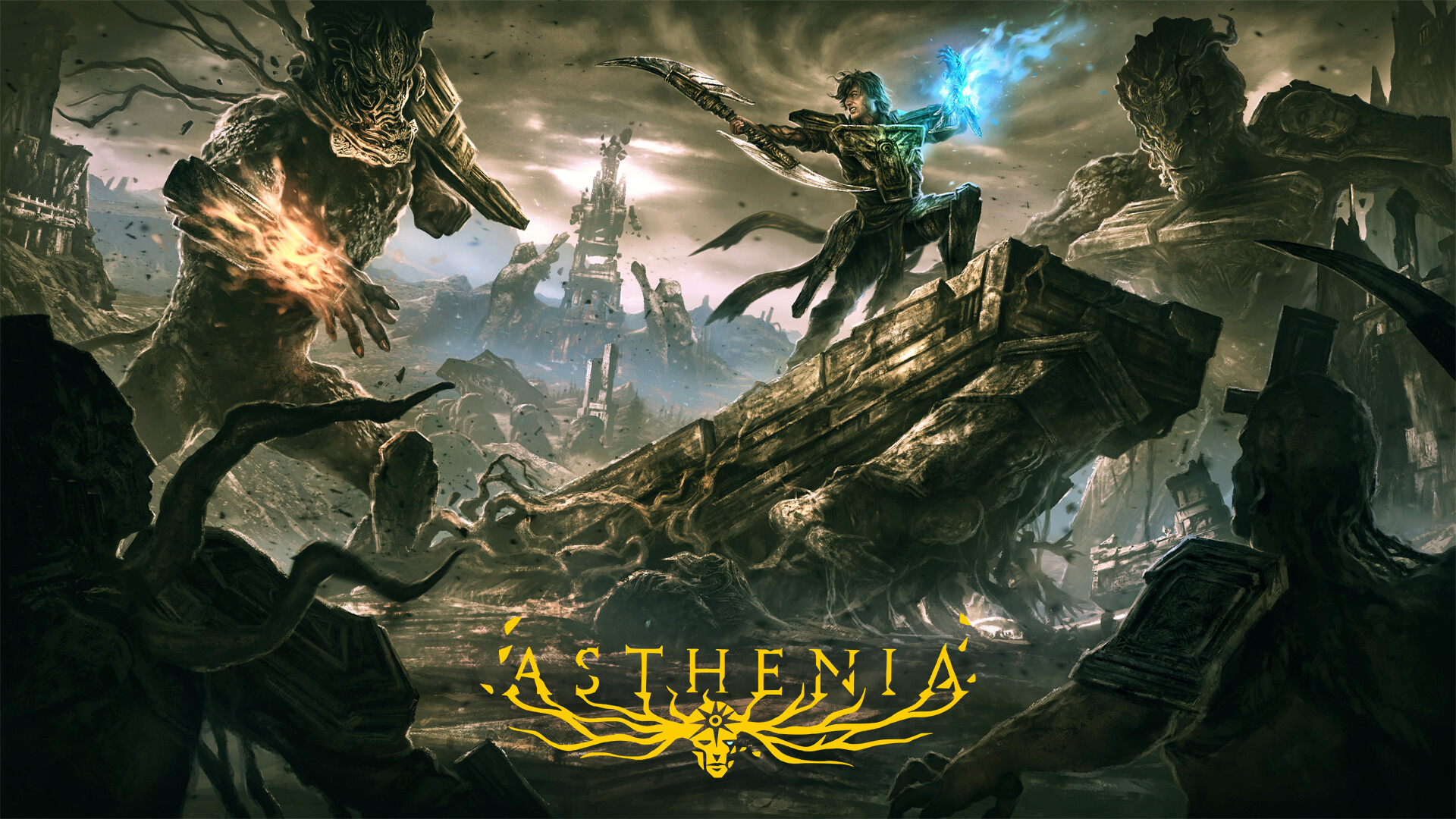
For fans of Dark Souls and Resident Evil 7, Asthenia* is a deliberate, atmospheric experiment in isolation and decay—a game where the world itself is the antagonist. Developed solo by Manthos Lappas, this dark fantasy adventure drops players into a crumbling dimension ravaged by disease and ancient war, where every resource is scarce, every decision irreversible, and the path forward is obscured by fog, whispers, and the weight of a forgotten past.
The game follows Adam, an ordinary man thrust into this nightmare, armed only with the Ancient Gauntlet—a relic that doubles as weapon and tool. There are no maps, no quest markers, and no hand-holding. Progress is earned through observation, experimentation, and the haunting details left behind by a dying civilization. The tone is unrelenting: oppressive, mysterious, and deeply personal.
A World That Demands Your Attention
Asthenia’s strength lies in its refusal to guide. Players must piece together the story through fragmented letters, environmental clues, and unsettling sound design—echoes of a world that once thrived but now rots. Combat is deliberate, close-range, and punishing, rewarding patience over brute force. The Ancient Gauntlet isn’t just a sword; it’s a limited-resource tool that interacts with the environment, forcing players to adapt or perish.
The game’s design philosophy is rooted in immersion. No mini-maps. No waypoints. Just a bleak landscape where every corner could hide a foe, a clue, or a trap. The narrative unfolds through environmental storytelling—symbolism, whispers, and the remnants of a civilization on the brink. Multiple endings emerge from player choices, adding stakes to an already unforgiving experience.
What’s Missing—and What It Means
For those accustomed to modern game design, Asthenia’s lack of hand-holding will be a shock. There’s no GPS-like guidance, no glowing objectives, and no mercy for hesitation. The game thrives on tension, not convenience. This approach alienates some players but will resonate with those who crave a raw, atmospheric challenge—think Silent Hill’s dread meets Outlast’s survival horror, with the methodical combat of Dark Souls.
Yet, the solo development journey means some polish may be sacrificed for ambition. The demo, expected soon, will be critical in proving whether the game’s vision holds up under real-world testing. For now, Asthenia remains a tantalizing glimpse into a world where discovery is earned, not gifted.
Who Should Play It?
Asthenia* isn’t for everyone. It demands patience, curiosity, and a tolerance for frustration. But for players who relish games that reward persistence over progression, it offers a rare, uncompromising experience. If you’ve ever wanted to step into a world that feels alive—where every shadow could be a threat and every whisper a clue—this is the game to watch.
The title is currently in development for PC via Steam, with a playable demo on the horizon. Those interested can wishlist the game to stay updated on its progress.