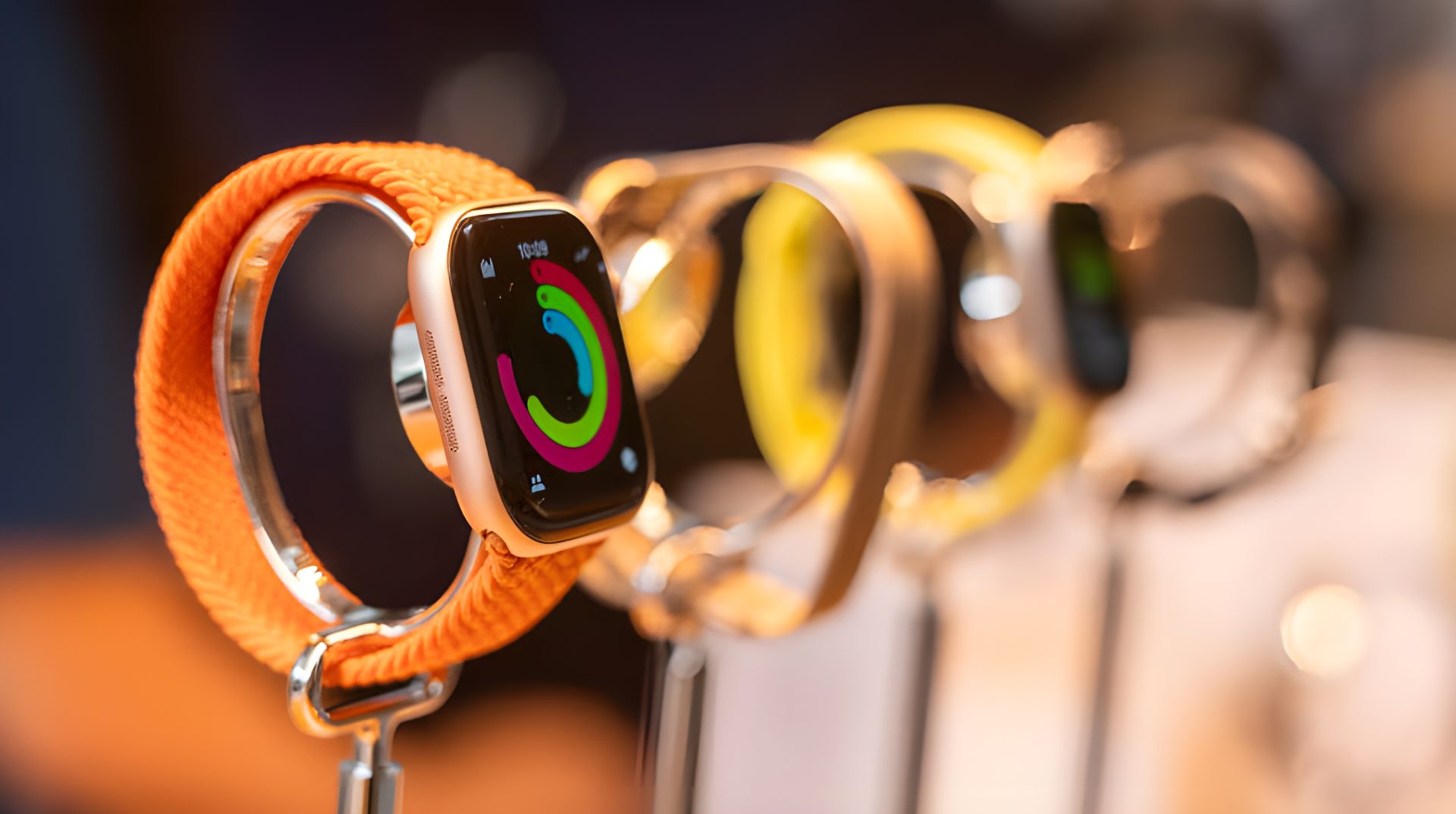
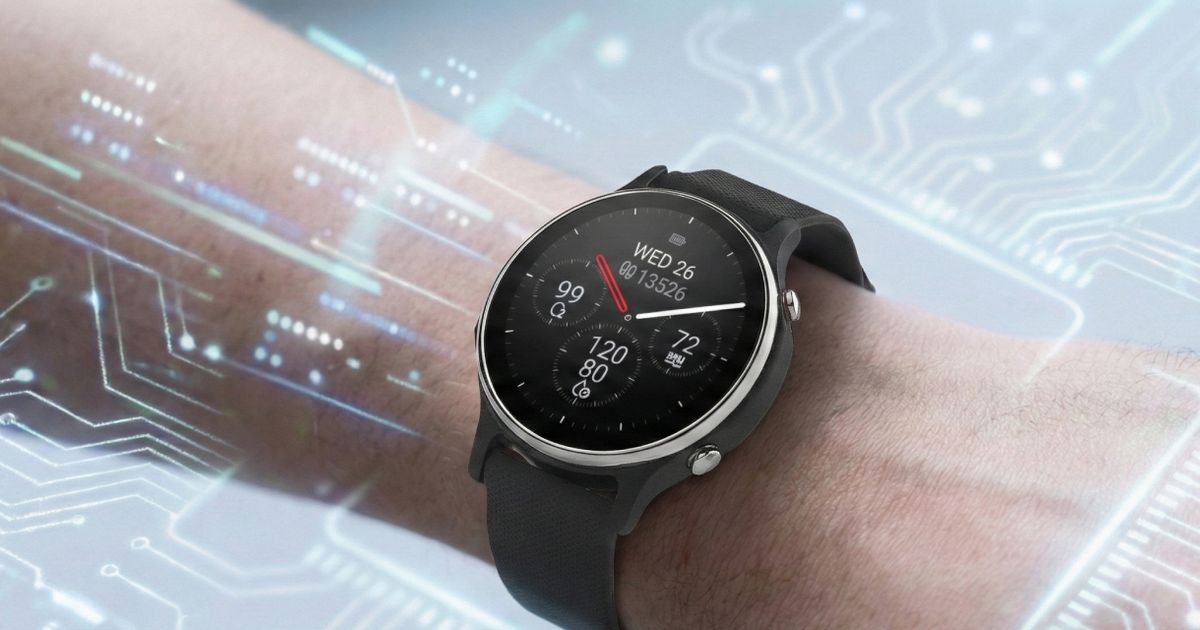
Healthcare’s reliance on real-time patient data is no longer optional—it’s a necessity. With global medical systems under pressure from aging populations and staffing shortages, the integration of AI-driven wearables into clinical workflows could redefine how acute conditions are managed. ASUS has taken a step forward in this evolution with the VivoWatch 6, now certified by Thailand’s FDA for blood pressure monitoring in ischemic stroke patients.
The certification follows a clinical study published in Medicine by Dr. Lin Huan-ran of Kaohsiung Medical University Hospital, where the VivoWatch 6 demonstrated consistent accuracy in measuring blood pressure across paralyzed and non-paralyzed arms post-stroke. Unlike traditional cuff-based methods, the device’s ECG and PPG sensors provided continuous, non-invasive readings—critical for early intervention in high-risk scenarios.
What changes for clinicians?For hospitals adopting the VivoWatch 6, the shift is operational: seamless integration with EHR systems for automated data logging, reducing manual charting errors. The study’s findings—validated against ANSI, AAMI, and ISO standards—suggest the device’s measurements align with gold-standard benchmarks, potentially streamlining stroke care protocols. Sleep-phase monitoring adds another layer, with the watch capturing heart rate variability, SpO2, and rest patterns without disrupting patient recovery.
What changes for IT and procurement teams?Deployment requires compatibility checks with existing hospital IoT ecosystems. ASUS’s API documentation indicates the VivoWatch 6 supports HL7/FHIR data exports, easing integration with major EMR platforms like Epic or Cerner. Bulk purchasing may also qualify for ASUS’s healthcare discounts, though lead times for custom configurations (e.g., bulk ECG calibration kits) could extend delivery.
Why this matters beyond stroke careThe VivoWatch 6’s certification isn’t just a technical milestone—it’s a proof point for wearables in high-stakes environments. Previous iterations of the device focused on consumer fitness; this iteration’s clinical validation opens doors for similar approvals in other regions. For ASUS, the collaboration with Kaohsiung Medical University signals a broader push into B2B healthcare partnerships, where devices must meet both regulatory and workflow demands.
Next steps for hospitalsEarly adopters should prioritize pilot programs in stroke units or ICU settings, where continuous monitoring is most critical. Training for staff on data interpretation (e.g., distinguishing false alarms from true hypertensive events) will be essential. Long-term, the cost savings from reduced readmissions could offset initial hardware investments—though ROI models will depend on local reimbursement structures.
This is the first chapter in ASUS’s AI-healthcare strategy. Future iterations may expand into deeper diagnostic capabilities, but today’s certification underscores a simple truth: the future of medicine isn’t just digital—it’s wearable.