Clair Obscur: Expedition 33 has always thrived on atmosphere, crafting a world where every frame feels deliberate—until you turn on the photo mode. That’s when the game’s carefully staged cutscenes start to unravel, revealing a playful disregard for physics and a developer philosophy that prioritizes player creativity over cinematic perfection.
Introduced in a major free update late last year, the photo mode was designed to let players break the fourth wall—not just to snap pictures, but to explore the game’s world from angles the narrative never intended. The result? A mix of delightful absurdity and unexpected freedom, where characters occasionally defy gravity, limbs detach mid-scene, and the ocean floor becomes a traversable frontier.
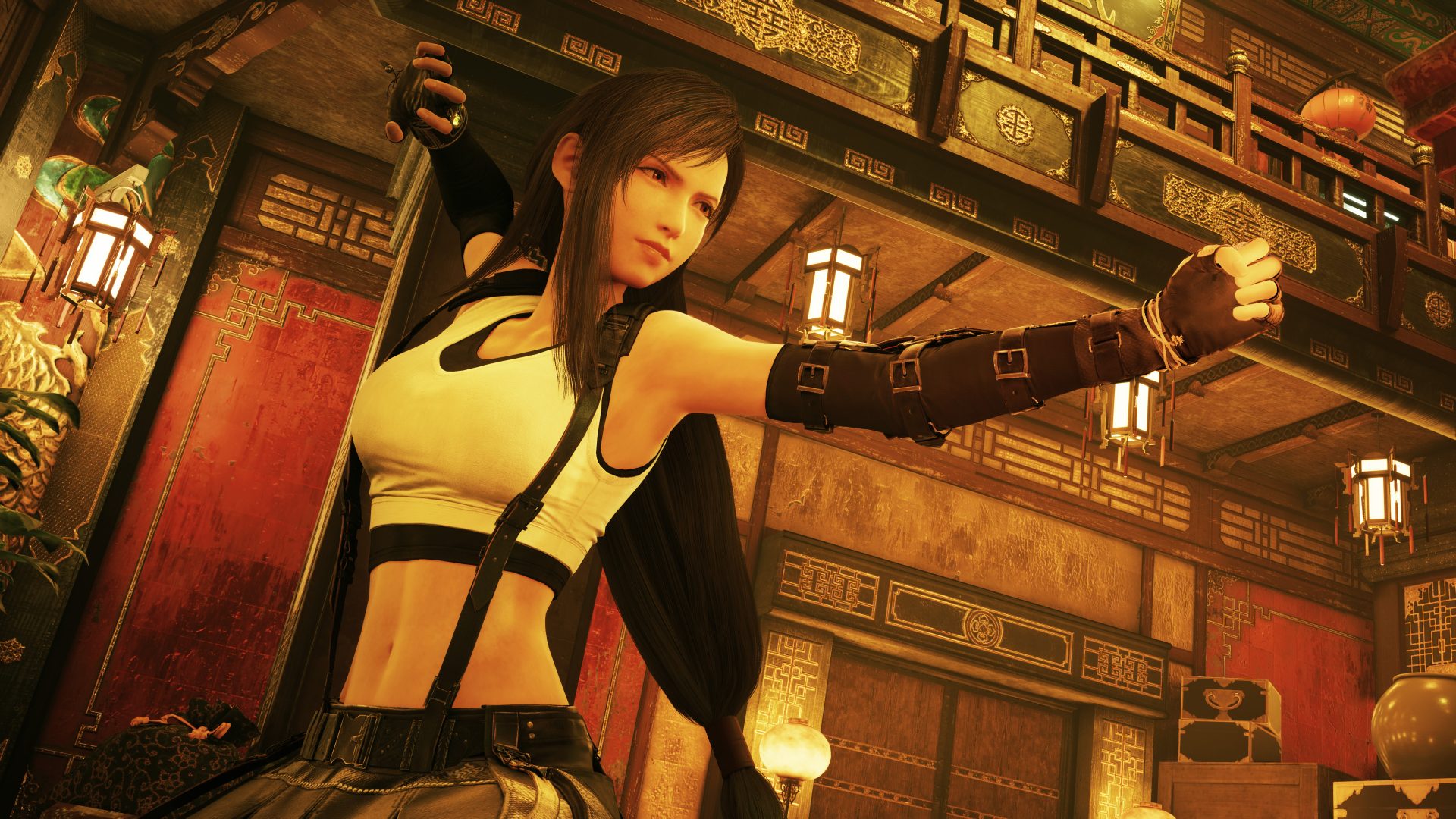
One standout example comes from a cinematic moment where the camera frames a character’s dramatic stance. In the actual scene, their posture is flawless. But toggle the photo mode, and what appears is a character whose legs seem to have been edited out of existence—replaced by a void where their lower half should be. Elsewhere, a torso floats disconnected from its head, a quirk that might horrify a medical examiner but amuses players discovering the game’s hidden mechanics.
Developers at Sandfall Interactive made a conscious choice to embrace these imperfections. Rather than restrict the photo mode with rigid boundaries—like many games that enforce strict visibility rules—they gave players near-total control. The goal wasn’t to preserve an illusion, but to let curiosity take over. ‘From the start, we wanted players to express themselves without limitations,’ notes the team, acknowledging that some characters might look like they’ve been through a surrealist art exhibit.
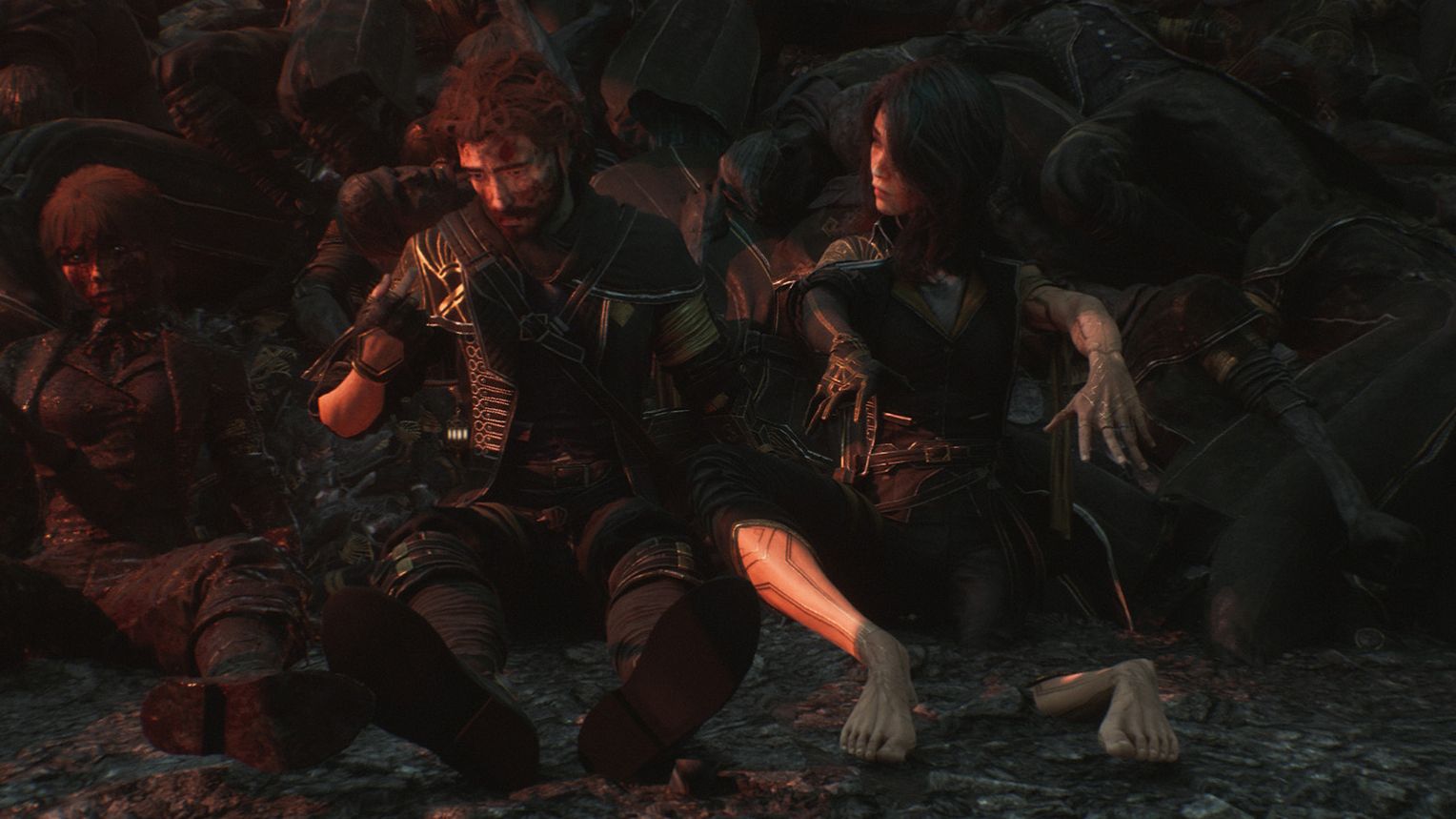
There’s also the matter of exploration. Players can now wander beneath the waves, where the ocean floor—untextured and untouched by the game’s usual polish—becomes a canvas for experimentation. It’s a stark contrast to the game’s otherwise meticulously designed environments, but one that feels intentional. The photo mode isn’t just a gimmick; it’s a nod to the developers’ belief that games should reward curiosity, even if it means occasionally exposing the seams.
The mode’s flexibility extends beyond just breaking character models. If a player lingers in one spot for too long, the game might leave a character’s anatomy in a state of disarray—heads sliding off shoulders, limbs vanishing into thin air. It’s not a bug; it’s a feature. And while it might make some players giggle at the sight of a character’s face materializing in their lap, the developers see it as a testament to the mode’s openness.
Since its release, players have shared their findings on community platforms, turning the photo mode into a secondary layer of discovery. Some have captured the game’s eerie beauty; others have stumbled upon its more chaotic moments. Either way, the mode has become a testament to how games can surprise even their most dedicated players.
For a title that thrives on mood and immersion, Clair Obscur’s photo mode is a refreshing departure. It’s a reminder that behind every carefully framed shot, there’s a world waiting to be explored—flaws and all.