Gaming desktops are evolving at a breakneck pace, with each iteration pushing the limits of what’s possible in both performance and design. At this year’s Computex, several builds stood out—not just for their raw specs, but for how they redefine cooling and power efficiency. One standout featured an Intel Core Ultra 9 300-series processor paired with a GeForce RTX 5090 GPU, delivering up to 128GB of DDR5 memory and 4TB of SSD storage. Yet, the real innovation lies in how these systems manage heat, with liquid cooling solutions that go beyond traditional designs.
These builds are not just about throwing more hardware at the problem; they’re about rethinking how components interact. A notable example was a system that used dual 360mm radiators to maintain performance even under sustained workloads. The challenge, however, is whether these cooling solutions translate to real-world benefits or if they’re merely gimmicks for show. Early benchmarks suggest some gains in stability, but the long-term impact on longevity remains untested.
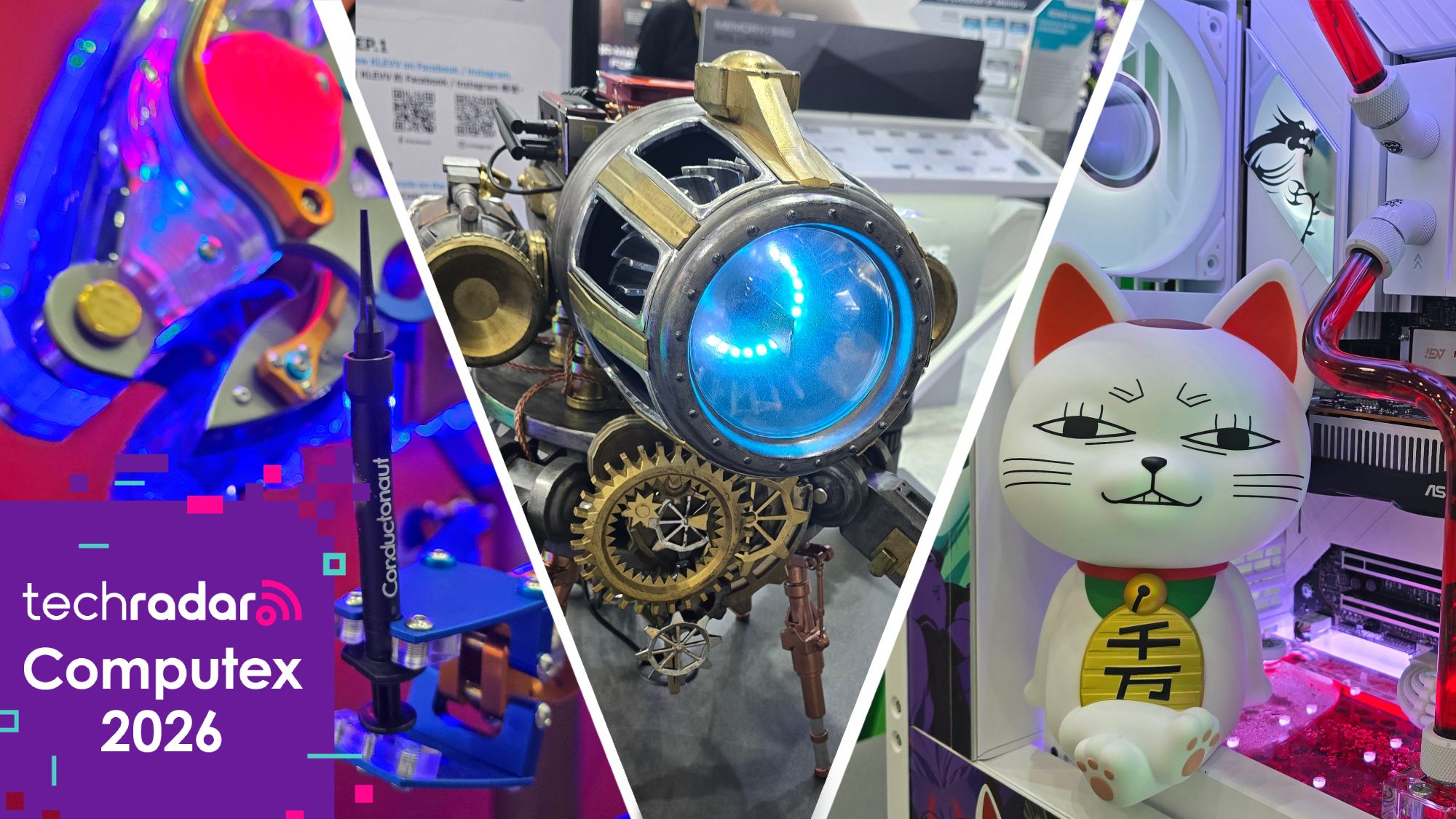
The shift toward more compact yet powerful designs also raises questions about upgrade paths. Many of these systems are built around proprietary cooling solutions, which could make future upgrades more difficult. For example, a build with an open-frame design allowed for easy access to components but relied heavily on a custom liquid-cooling loop that may not be replicable in consumer setups.
For the average enthusiast or professional, these builds offer a glimpse into what’s possible—but practicality is another matter. The focus on extreme cooling and power efficiency is impressive, but whether it translates to better performance in real-world scenarios remains to be seen. One thing is clear: these desktops are not just for gaming anymore; they’re becoming the foundation for next-generation data workloads, AI training, and beyond.
The real question isn’t whether these builds can deliver on their promises—it’s whether they’ll become mainstream or remain niche experiments. For now, they serve as a benchmark for what’s achievable, but their long-term viability will depend on how well they adapt to evolving demands in both gaming and professional computing.