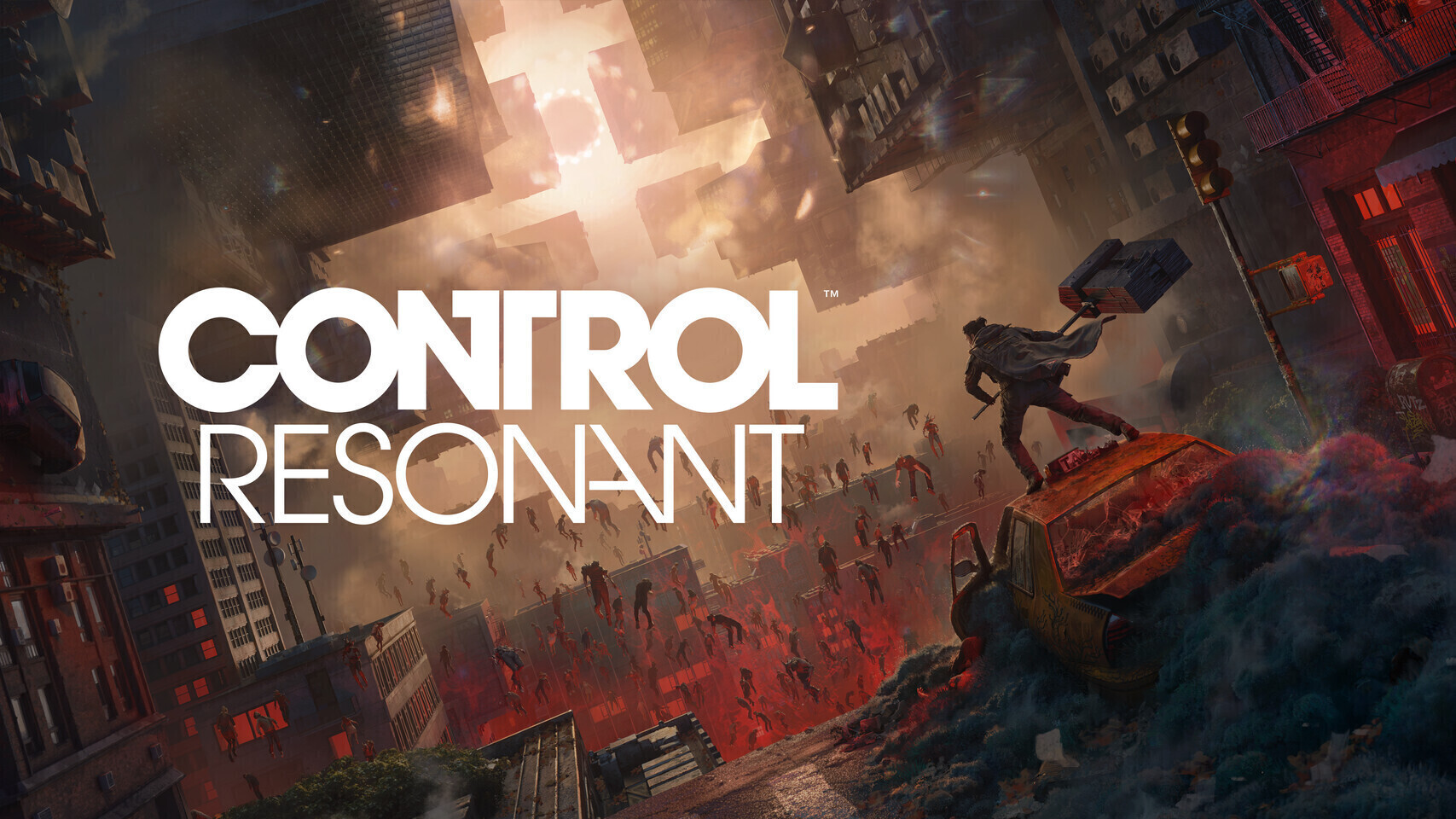
Control’s Resonant Skates is redefining what it means to push PC hardware limits. Unlike many modern games that demand high-end specifications to run smoothly with advanced graphical features, this title achieves impressive performance on systems that wouldn’t typically handle such workloads. The benchmark, which includes path tracing and DLSS 4.5, shows that a mid-range setup can deliver stable frame rates without sacrificing visual quality.
Breaking the Mold
The game’s ability to run efficiently on modest hardware is particularly striking when compared to other titles with similar graphical ambitions. A system equipped with 16 GB of RAM, an NVIDIA GeForce RTX 4070 Ti, and a 3 TB SSD can handle Resonant Skates at high settings without stuttering or performance drops. This is a notable achievement, as most games that rely on path tracing and DLSS 4.5 require more powerful hardware to maintain smooth gameplay.
Key Technical Details
- GPU: NVIDIA GeForce RTX 4070 Ti (or equivalent)
- RAM: 16 GB
- Storage: 3 TB SSD
- Path Tracing: Enabled with DLSS 4.5
This configuration allows the game to run at high settings while maintaining a stable frame rate, demonstrating that Resonant Skates is optimized for efficiency. What stands out is how the game balances visual fidelity with performance, making it accessible to players who may not have the latest hardware.

Why This Matters
The benchmark raises important questions about how games can be optimized for both performance and visual quality. The use of DLSS 4.5 suggests a focus on efficiency, which could set a new standard for how developers handle path tracing and upscaling technologies. For players, this means they don’t need to invest in high-end hardware to enjoy the game’s ambitious visuals.
Looking Ahead
While the benchmark shows impressive performance, real-world conditions can vary. Factors such as screen resolution, in-game asset density, and other software running concurrently could impact frame rates. Additionally, the long-term stability of DLSS 4.5 on less powerful hardware remains to be seen. However, this benchmark serves as a strong indicator that Resonant Skates is designed with efficiency in mind, making it a game that can adapt to evolving hardware demands.
Final Thoughts
The performance demonstrated by Control’s Resonant Skates on mid-range hardware is a testament to its optimization efforts. It challenges the notion that advanced visuals require high-end systems and offers a glimpse into the future of gaming, where efficiency and performance are balanced without compromising on quality. For players and developers alike, this benchmark highlights the potential for games to be both visually ambitious and hardware-efficient, paving the way for broader accessibility in the industry.