DDR5 DRAM speeds have just crossed a major milestone, hitting 8000 MT/s—a benchmark once reserved for the fastest memory modules on the market. Chinese memory manufacturers are now delivering performance that rivals the top-tier offerings from Samsung, SK Hynix, and Micron, signaling a shift in the global landscape of high-speed DRAM development.
The push toward higher speeds is not just about raw performance; it’s about efficiency. Faster DDR5 modules reduce latency, which is critical for applications demanding real-time processing, such as AI workloads and next-generation gaming systems. While Samsung and SK Hynix have long dominated the market with their high-speed DDR5 products, Chinese manufacturers are now catching up, offering competitive alternatives without the premium pricing often associated with established brands.
At 8000 MT/s, these new modules represent a significant leap forward in memory technology. They feature advanced error correction codes (ECC) and improved power efficiency, which are essential for sustaining such high speeds over extended periods. However, not all use cases will benefit equally from this speed—power users and enterprise systems stand to gain the most, while mainstream consumers may see limited practical advantages.
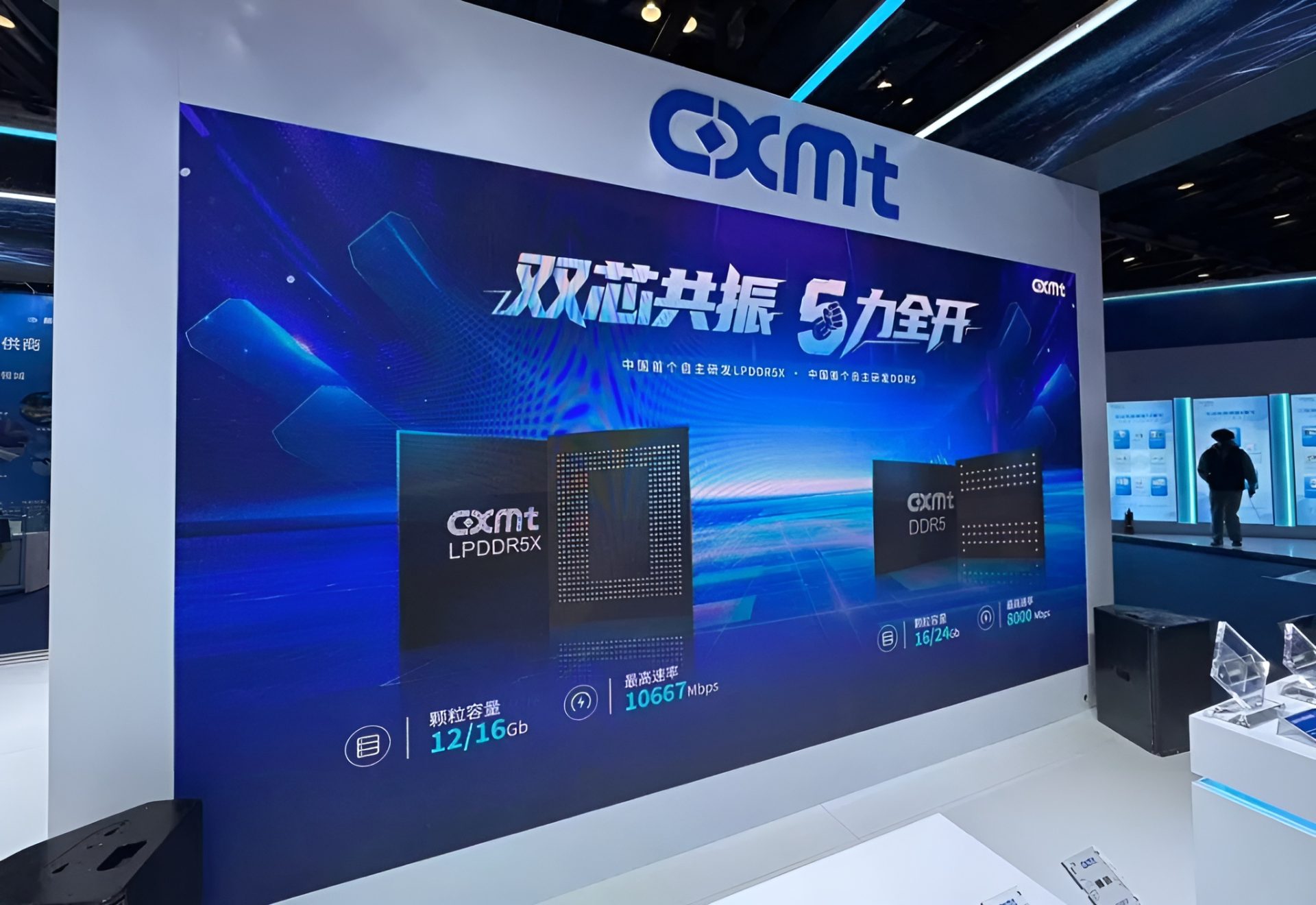
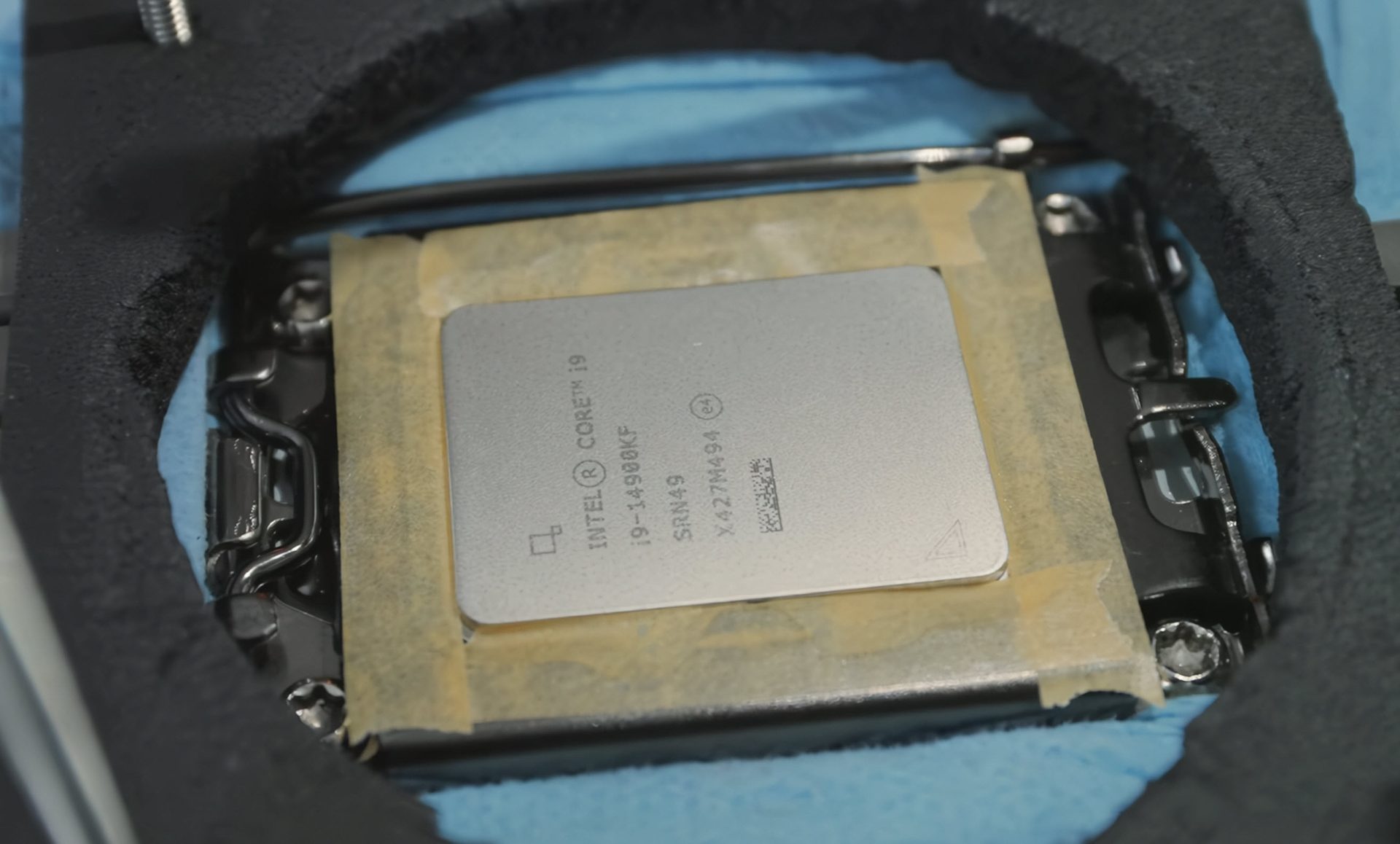
For power users, the introduction of 8000 MT/s DDR5 modules opens new possibilities for system optimization. These modules can be paired with compatible CPUs and cooling solutions to maximize performance in both single-core and multi-threaded workloads. Yet, adoption will depend on several factors, including motherboard support, CPU compatibility, and thermal constraints. Early benchmarks suggest that while the speed boost is noticeable in specific scenarios—such as high-resolution rendering or AI training—the real-world impact may vary depending on the application.
One area where Chinese manufacturers are excelling is cost. While Samsung and SK Hynix have historically priced their high-speed DDR5 modules at a premium, Chinese alternatives are often more affordable, making them an attractive option for those looking to push performance without breaking the bank. This could accelerate adoption in both consumer and enterprise markets, particularly as demand for faster memory continues to grow.
Looking ahead, the race to 8000 MT/s and beyond is far from over. Industry experts predict that speeds will continue to climb, potentially reaching 10,000 MT/s within the next few years. However, achieving these milestones will require advancements in both manufacturing processes and power delivery solutions. For now, users eyeing high-performance systems should keep an eye on pricing and availability as Chinese manufacturers solidify their position in the market.