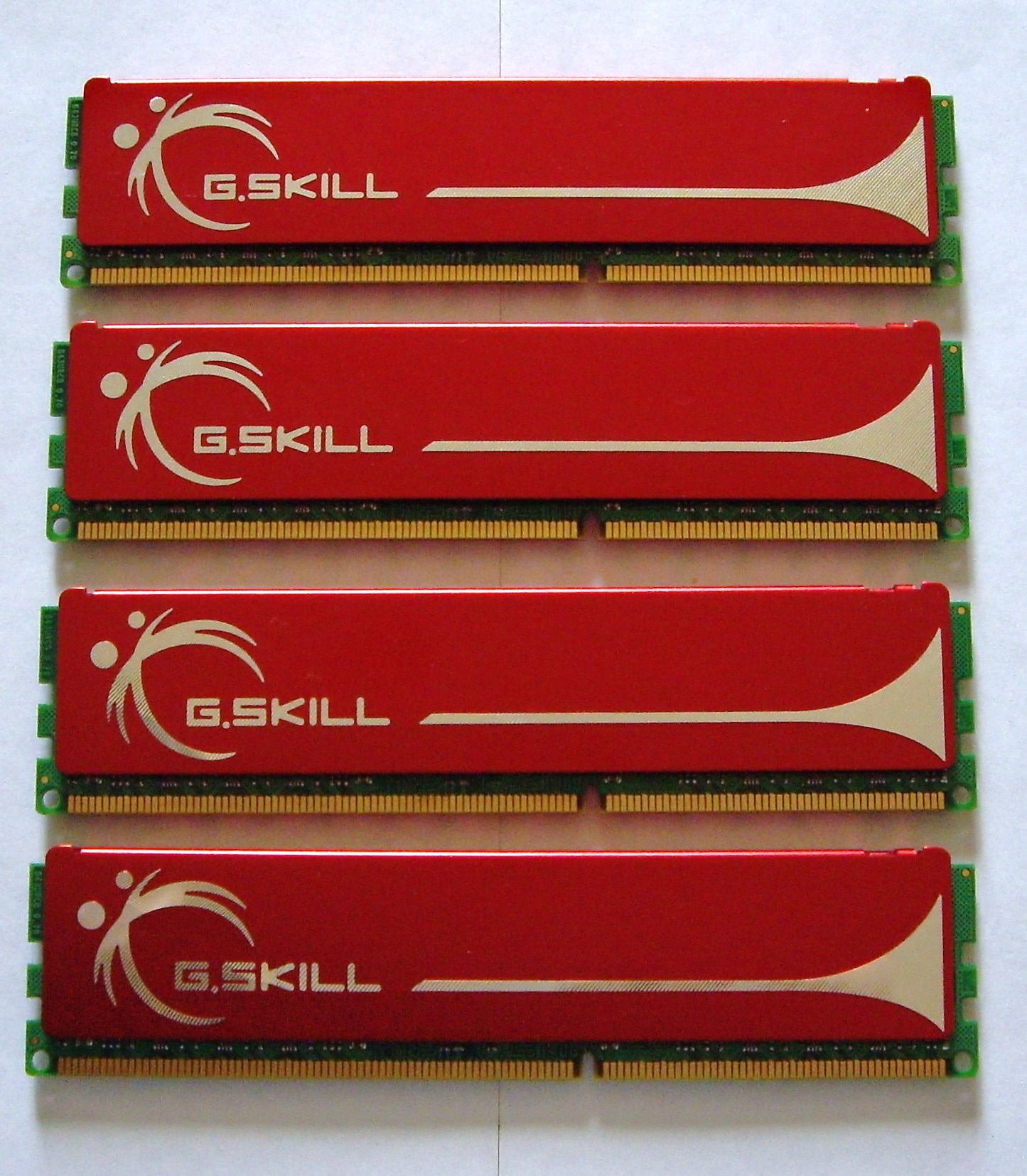
Overclocking DDR5 memory has traditionally been a balance of power and cooling, but the landscape is changing. The focus is no longer just on raw speed—it’s on how that speed can be achieved with minimal heat output and maximum efficiency. G.Skill’s latest demonstration of its EXPO ULL series, including a 4-rank 256 GB configuration, highlights this shift, proving that extreme performance doesn’t always require active cooling or excessive power draw.
The industry has long relied on liquid cooling or bulky heat spreaders to tame the thermal output of high-capacity memory modules. But with DDR5’s increasing adoption, the demand for passive solutions is growing. These modules, designed without traditional fans or pumps, maintain stability even under heavy workloads, making them ideal for systems where power efficiency is critical—whether in compact builds or data centers prioritizing operational costs.
Breaking Barriers with Passive Cooling
The 256 GB DDR5 module stands out not just for its capacity but for its ability to operate without active cooling. This isn’t just a technical feat; it’s a practical solution for builders who want high performance without the noise or power overhead of traditional overclocking setups. G.Skill’s approach also extends to other configurations, offering both passive and active-cooled options depending on the use case.
- Passive-cooled 256 GB DDR5: A 4-rank module optimized for stability and efficiency, eliminating the need for additional cooling infrastructure.
- Active-cooled variants: Designed for extreme overclocking scenarios where heat output exceeds what passive solutions can handle.
This dual approach addresses a key concern in modern PC building: thermal management without sacrificing performance. Passive cooling reduces system complexity, while active options ensure that those pushing the limits of DDR5 still have viable paths to higher speeds.
Performance with Purpose
G.Skill’s EXPO ULL series also introduces an AI boost feature, a departure from traditional overclocking. Instead of simply increasing clock speeds, this technology dynamically adjusts memory performance based on workload demands, optimizing bandwidth while minimizing power consumption. It’s a shift from brute-force speed to intelligent scaling—a strategy that aligns with the broader trend toward efficiency in high-performance computing.
For end users, this means more than just faster memory. It means systems that run cooler, quieter, and longer without compromising on performance. The AI boost ensures that memory modules adapt to real-world usage patterns, whether for gaming, content creation, or data processing, delivering the right balance of speed and efficiency.
A Glimpse into the Future
The demonstration serves as a benchmark, but its significance lies in what it suggests for the future. DDR5 is already pushing the boundaries of capacity and speed, but the real innovation is in how those advancements are implemented. Passive cooling, smarter power management, and higher capacities are no longer just possibilities—they’re becoming standards.
As DDR5 becomes more mainstream, the focus will only intensify on thermal efficiency. Builders who prioritize operational costs without sacrificing performance will drive demand for these solutions. The industry is at a turning point, where the balance between speed and thermals defines the next generation of memory technology. G.Skill’s work signals that this transition is well underway.