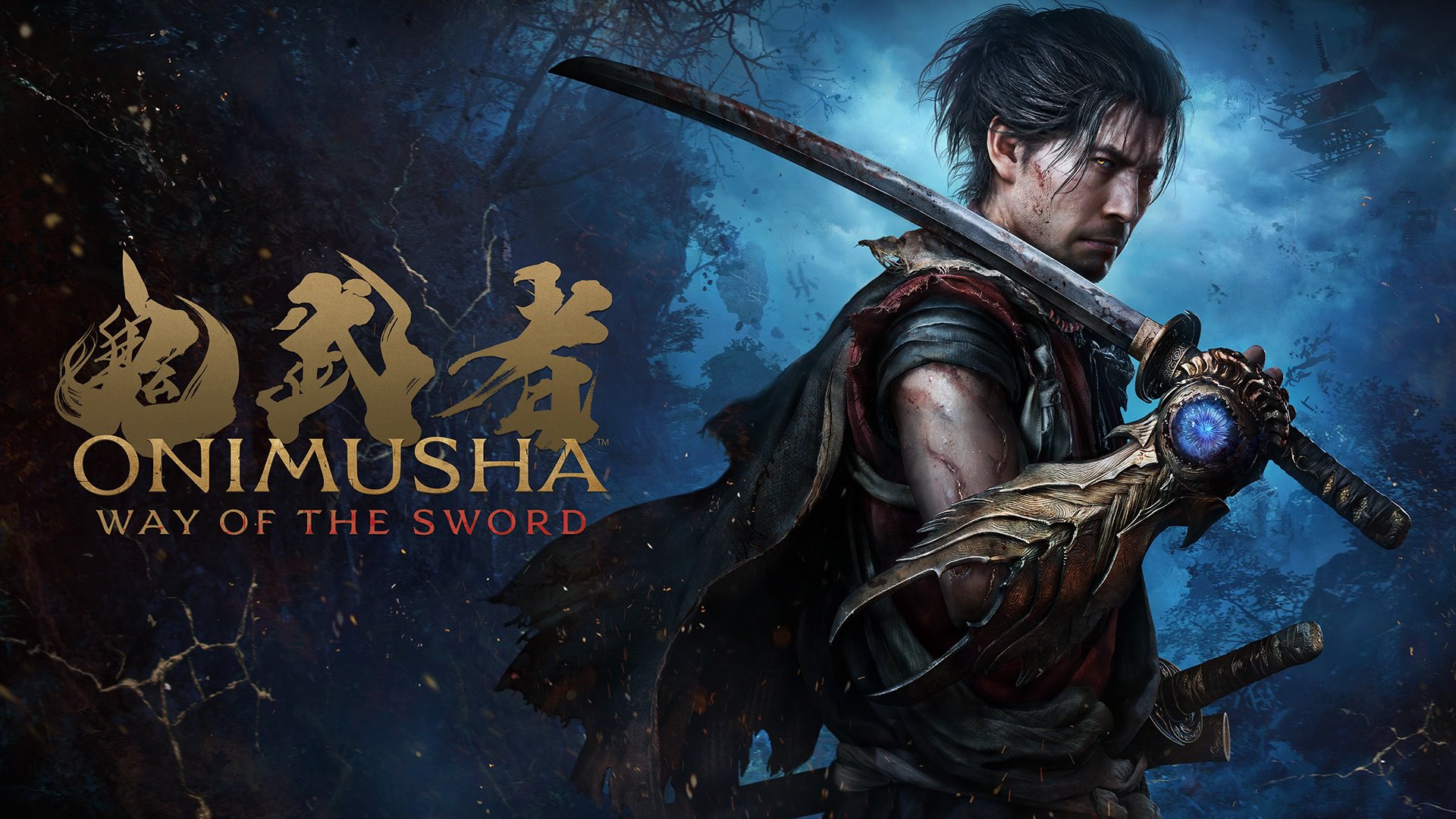
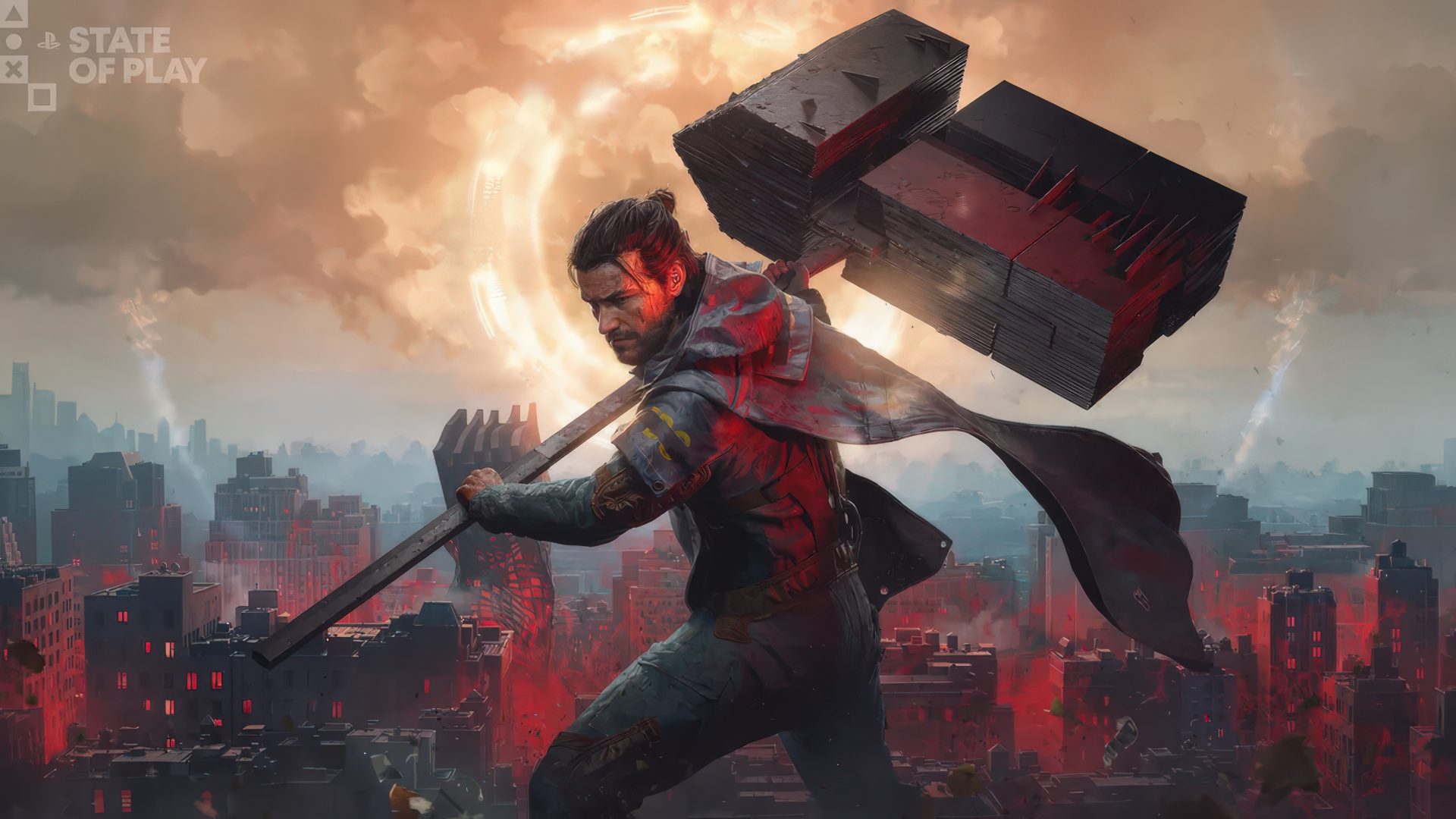
On the cusp of a rare double launch in gaming history, two high-profile titles—Silent Hill: Townfall and Onimusha—are set to debut on September 24. The simultaneous release is powered by Control Resonant, an engine designed to streamline development while pushing graphical boundaries. But as developers and players brace for the challenge, the question remains: can this new technology deliver smooth performance without compromising quality?
The launch of Control Resonant marks a shift in how games are built and released. The engine’s modular architecture allows for shared assets across multiple projects, theoretically reducing development time while maintaining high-fidelity visuals. Features like real-time ray tracing, dynamic lighting, and advanced physics promise to set new standards for AAA experiences. However, with both games relying on the same underlying technology, the potential for performance bottlenecks or hardware strain looms large.
Performance Challenges Ahead
The engine’s ability to handle simultaneous releases is its most ambitious claim. Control Resonant is engineered to optimize resource allocation, but real-world performance will depend on how it scales across different hardware configurations. Early benchmarks indicate that both Silent Hill: Townfall and Onimusha will demand significant GPU and CPU power, especially in high-resolution modes or when ray tracing is enabled. This could test the limits of even the most advanced gaming setups.
Key Technical Details
- Engine: Control Resonant (newly announced)
- Release Date: September 24, 2024
- Games: Silent Hill: Townfall and Onimusha
- Supported Features: Real-time ray tracing, dynamic lighting, advanced physics
- Target Platforms: PC, next-generation consoles (confirmed)
The modular design of Control Resonant could revolutionize game development cycles, but its success hinges on maintaining performance consistency as more titles adopt the engine. If it proves reliable, it may redefine how multi-game launches are managed, both for developers and IT teams responsible for hardware upgrades.
As September 24 approaches, players and IT professionals will be closely monitoring two critical factors: server stability during launch day and whether the engine’s promises hold up under real-world stress. The potential reward is significant—if Control Resonant delivers on its vision, it could set a new benchmark for simultaneous game releases.