Portable computing has reached a tipping point where raw power and efficiency no longer seem like opposing forces. Dell Alienware is now challenging that assumption with its latest lineup—18-inch Area-51 and 16-inch Aurora models—that merges Intel’s Arrow Lake-HX refresh with NVIDIA’s most capable GPU, setting new expectations for what a high-performance laptop can achieve.
This update centers on two key innovations: a processor overhaul that redefines performance metrics and a display upgrade that addresses long-standing limitations. The Core Ultra 200HX Plus series introduces more cores, higher clock speeds, and specialized optimizations designed to handle demanding workloads without sacrificing battery life. Meanwhile, the anti-glare OLED panel in the 16-inch Aurora model brings competitive gamers a display that matches their performance with responsiveness and clarity.
- Processor options:
- Core Ultra 9 290HX Plus: 24-core configuration, max boost clock of 5.5 GHz
- Core Ultra 7 270HX Plus: 20-core configuration, max boost clock of 5.3 GHz
- Display (16-inch Aurora):
- Anti-glare OLED with improved brightness and clarity
- Resolution: 2560 × 1600 pixels
- Refresh rate: 240 Hz for fluid visuals
- Response time: 0.2 milliseconds
- Peak brightness: 620 nits (up from previous models)
- GPU (Alienware 16X Aurora):
- NVIDIA GeForce RTX 5070 Ti, replacing the RTX 5070 with enhanced VRAM and ray-tracing performance
- Memory support:
- DDR5-5600 standard across all configurations
- Storage options:
- Configurable from 1 TB to 4 TB
- PCIe 4.0 interface on select models for faster data transfer
The 18-inch Area-51 remains the performance benchmark, but the 16-inch Aurora now features an anti-glare OLED display—a critical upgrade for users who prioritize screen visibility in high-pressure scenarios. The RTX 5070 Ti GPU delivers noticeable improvements in rendering and ray-tracing, though its practical benefits will hinge on whether users see enough value to justify the premium over existing setups.
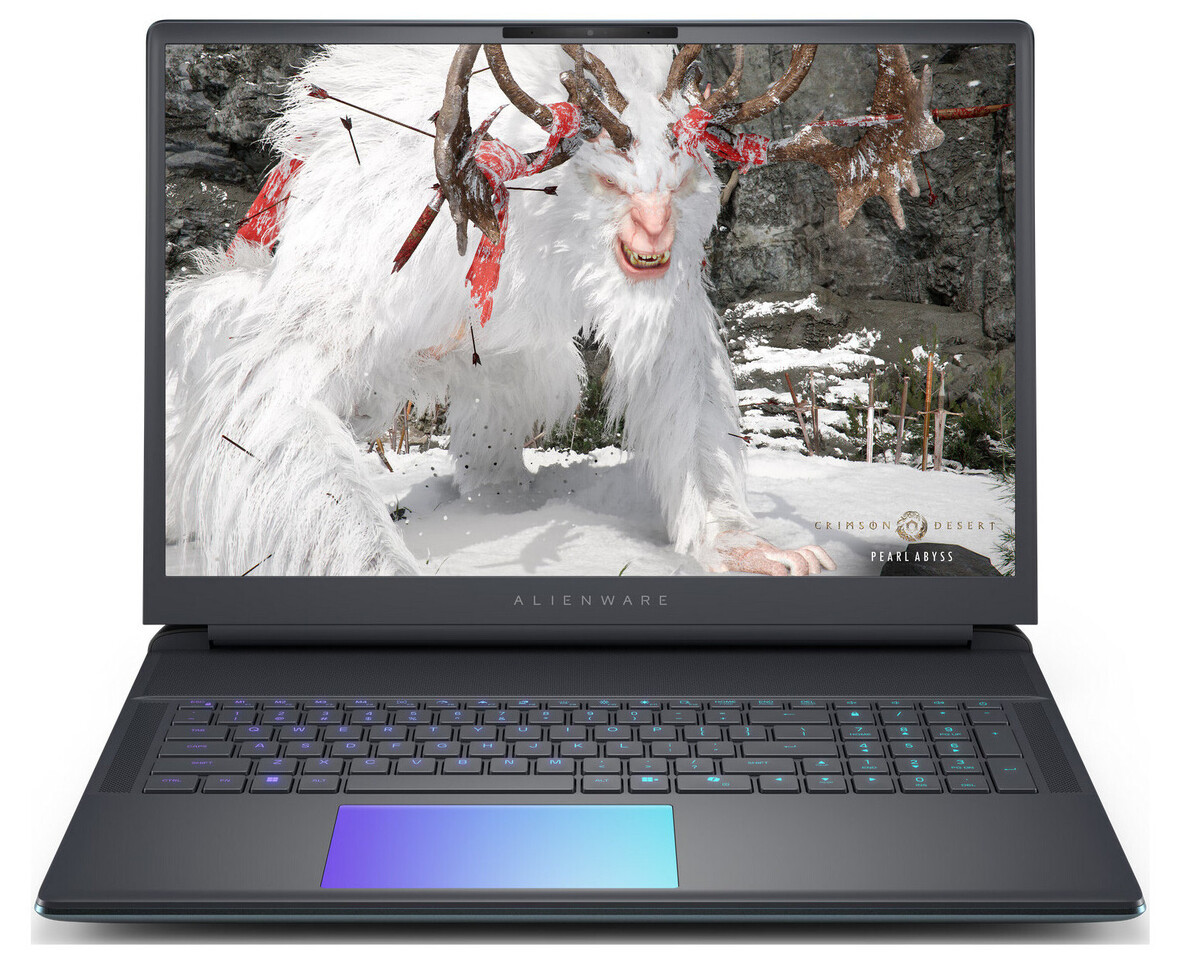
Beyond raw specifications, Dell is focusing on refining the user experience. The anti-glare OLED panels address a persistent issue with high-refresh-rate displays, while storage options extending to 4 TB raise questions about future-proofing—especially as DDR5-6000 memory becomes more widespread, potentially making current configurations less competitive over time.
The transition to Arrow Lake-HX marks a broader shift toward integrated performance features, but the real challenge lies in determining how long these advancements will remain relevant. As AI-driven workloads become more prevalent, the balance between single-core speed and efficiency could redefine what ‘high performance’ means, leaving today’s top-tier specifications as just another milestone in an ever-evolving landscape.