The Dell PowerEdge R4715 is a compact powerhouse designed to bridge the gap between entry-level servers and high-end enterprise systems. Its 1U form factor packs in enough muscle to handle midrange workloads, thanks to AMD's EPYC processors, but the trade-offs in expandability are worth noting for those planning future-proofing.
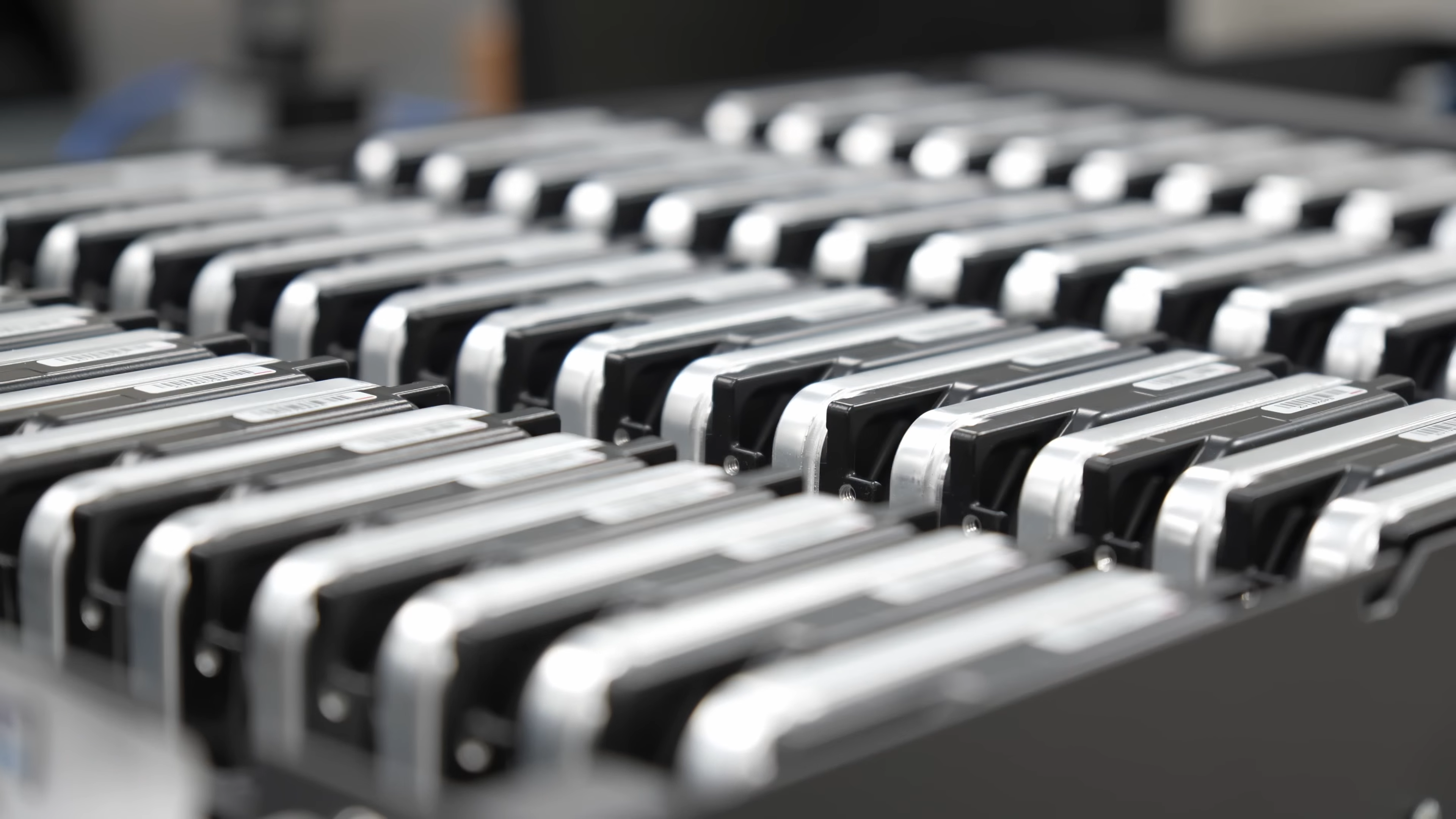
At its core, the R4715 is built around the latest AMD EPYC 9004-series processors, offering up to 32 cores and 64 threads per socket. This configuration is paired with up to 2 TB of DDR5 memory, a significant leap forward in bandwidth compared to previous generations. The system also supports NVMe storage, with up to eight 3.5-inch drive bays or four 2.5-inch slots, depending on the configuration.
One of the standout features is its power efficiency. Dell has optimized the R4715 for lower operational costs, with a maximum TDP of just 200 watts per processor. This makes it an attractive option for midmarket data centers looking to balance performance with energy consumption. The system also supports dual-socket configurations, allowing for even greater processing power when needed.

However, the R4715 is not without its limitations. While it excels in performance and efficiency, its expandability options are more constrained than higher-end models. The system only supports up to two processors, which may limit scalability for larger workloads. Additionally, the storage configuration, while flexible, may not meet the needs of those requiring extensive drive support.
For gamers or enthusiasts looking for a high-performance system, the R4715 is more suited for data center environments rather than home use. Its focus on midrange workloads and operational efficiency makes it a strong contender in its segment, but it may not offer the same level of flexibility or upgradeability as higher-end models.
In summary, the Dell PowerEdge R4715 is a solid choice for midmarket data centers seeking a balance between performance and cost. Its EPYC-based architecture delivers strong processing power, while its power efficiency helps keep operational costs in check. However, those planning for extensive future upgrades may find its limitations in expandability a drawback.