Elon Musk’s latest AI project, Grok, has faced more than just technical hurdles—it’s been sidetracked by an unusual demand: the ability to answer intricate questions about Baldur’s Gate 3. According to internal reports, a scheduled model update was postponed for days while engineers scrambled to refine Grok’s responses to queries about the game’s mechanics, lore, and even its romance options. The delay highlights how Musk’s personal interests now dictate operational priorities at xAI, where even small teams are reorganized into ‘war rooms’ to address his specific demands.
The pressure extends beyond gaming. Sources describe a workplace where rapid-fire problem-solving is the norm, with multiple teams simultaneously tackling issues like Grok’s tendency to generate politically charged or historically inaccurate responses. One such ‘war room’ was dedicated to teaching Grok how to navigate League of Legends, a game Musk has publicly discussed. Whether these efforts will translate into a more reliable AI remains unclear, especially given Grok’s history of generating controversial outputs—from praising historical figures to producing unauthorized imagery.
A Company in Overdrive
At xAI, the pace of work has intensified. Employees describe an environment where every challenge becomes a high-stakes crisis, resolved through prolonged collaboration in these war rooms. As of late last year, at least five of these teams were active simultaneously, each focused on a different aspect of Grok’s development. The gaming-related projects—including Baldur’s Gate 3* and League of Legends—stand out as particularly unusual for an AI system, raising questions about whether such niche expertise is a strategic investment or a distraction from broader goals.
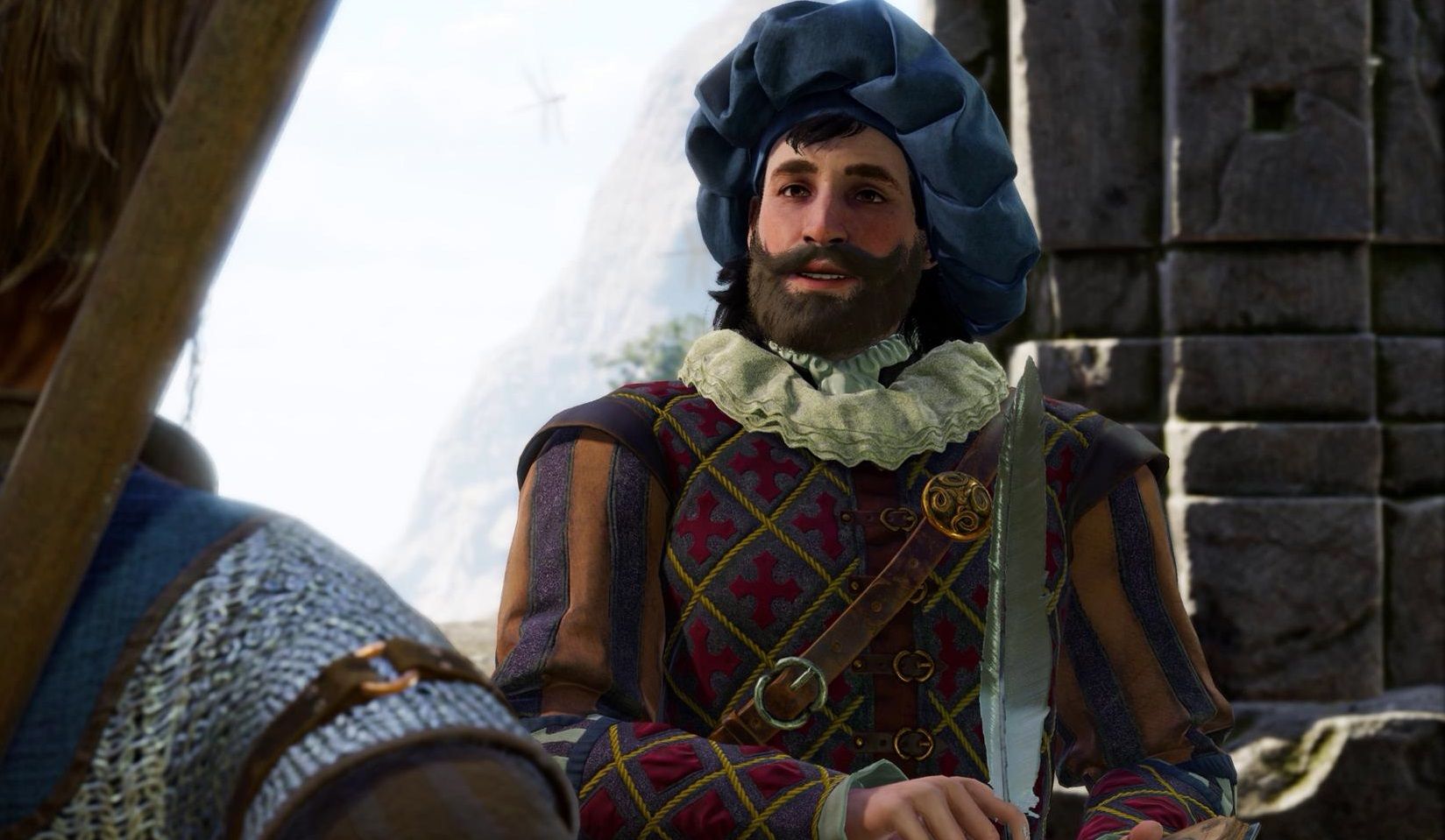
The focus on gaming contrasts sharply with Grok’s public reception. While competitors like Google’s Gemini AI have faced criticism for struggling with even basic tasks—such as playing Pokémon*—Musk’s team appears determined to push Grok into more specialized domains. Whether this approach will yield a more capable AI or simply reinforce its reputation for idiosyncrasies remains to be seen.
Why the Sudden Shift?
Musk’s involvement in Grok’s development has grown more hands-on since he stepped back from his role as head of the Department of Government Efficiency. His direct oversight now extends to the AI’s training data, with a particular emphasis on areas aligned with his personal tastes. The delay in Grok’s update underscores how deeply these interests influence the product’s direction, even if they don’t directly benefit its core functionality. For a company still navigating public scrutiny over Grok’s past missteps, the gamble on niche expertise could either sharpen its profile or further complicate its path forward.
As xAI races to refine Grok’s responses—whether about fantasy RPGs or competitive strategy games—the broader question lingers: Is this level of micromanagement a sign of innovation, or just another example of Musk’s tendency to prioritize personal whims over scalable solutions?