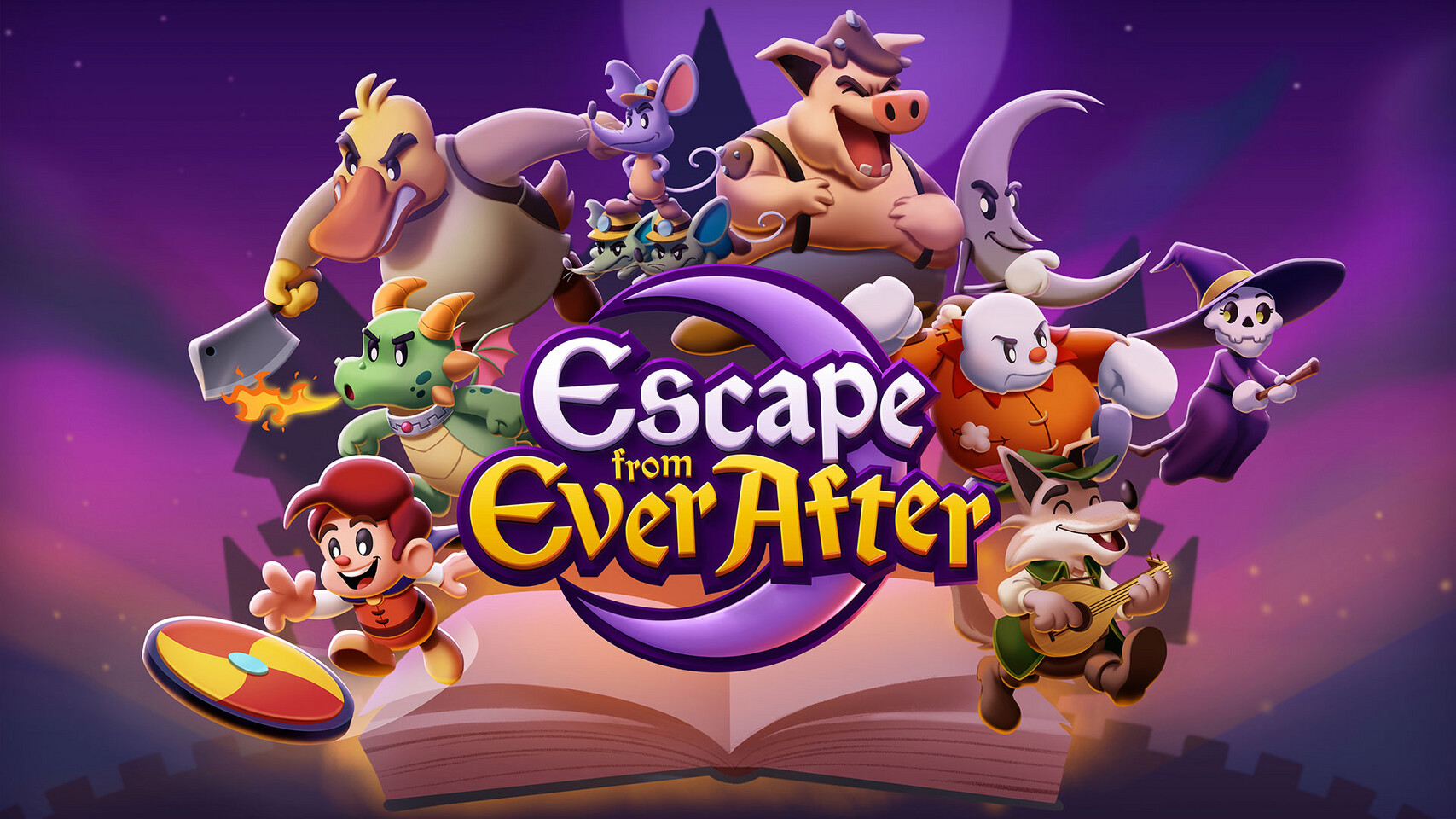
In a twist that subverts both fantasy and office life, Escape from Ever After arrives next month, challenging players to navigate a world where storybook heroes are trapped in corporate drudgery. The game blends turn-based combat with workplace satire, offering a unique adventure for PC and console gamers.
The premise is simple yet bizarre: Flynt Buckler, a traditional hero, expects to confront his nemesis, Tinder the dragon, only to find her castle repurposed as a soulless office complex. Fluorescent lights replace fire-breathing menace, and mandatory coffee breaks stand in for epic battles. Ever After Inc., a megacorporation from the real world, has discovered that storybook characters make excellent—if exploitable—labor.
Dragons file TPS reports, knights optimize synergies, and heroes attend team-building exercises. The only way to fight back is to climb the corporate ladder from within, rallying other trapped fairytale figures while rewriting the rules of a system designed to crush them.
Combat in Escape from Ever After eschews passive turns for active engagement. Players must time button presses perfectly to deal extra damage or block flawlessly, with mistakes met by swift consequences. This timing-based system keeps players involved at every step, demanding precision rather than button-mashing.
The game also introduces a Research system that allows players to study enemies mid-battle, revealing their health and weaknesses permanently. This information is saved in a Bestiary, giving players an edge in future encounters. The Trinket system further customizes the party, letting players equip abilities, passive bonuses, or utility effects—encouraging experimentation over rigid min-maxing.
Beyond combat, Escape from Ever After offers distinct storybook worlds, each with its own genre and atmosphere. From cozy fairytale forests to noir mysteries and Lovecraftian horror, exploration rewards players with hidden items, optional quests, and environmental puzzles. The Castle, once a fairytale landmark, now serves as the headquarters of Ever After Inc., acting as a hub between chapters where players manage upgrades and witness the spread of corporate influence.
The narrative balances sharp satire with character-driven moments, exploring themes of control and resistance in a world where heroism is redefined. It contrasts storybook whimsy with office dystopia, classic RPG mechanics with modern design, and humor with genuinely thoughtful storytelling.
Developed by an independent team, Escape from Ever After promises to deliver something unexpected—a game that challenges players to think differently about both fantasy and the systems that govern them. Whether for its timing-based battles, exploration, or the absurd premise of fairytales stuck in corporate hell, it offers a fresh experience unlike any other.