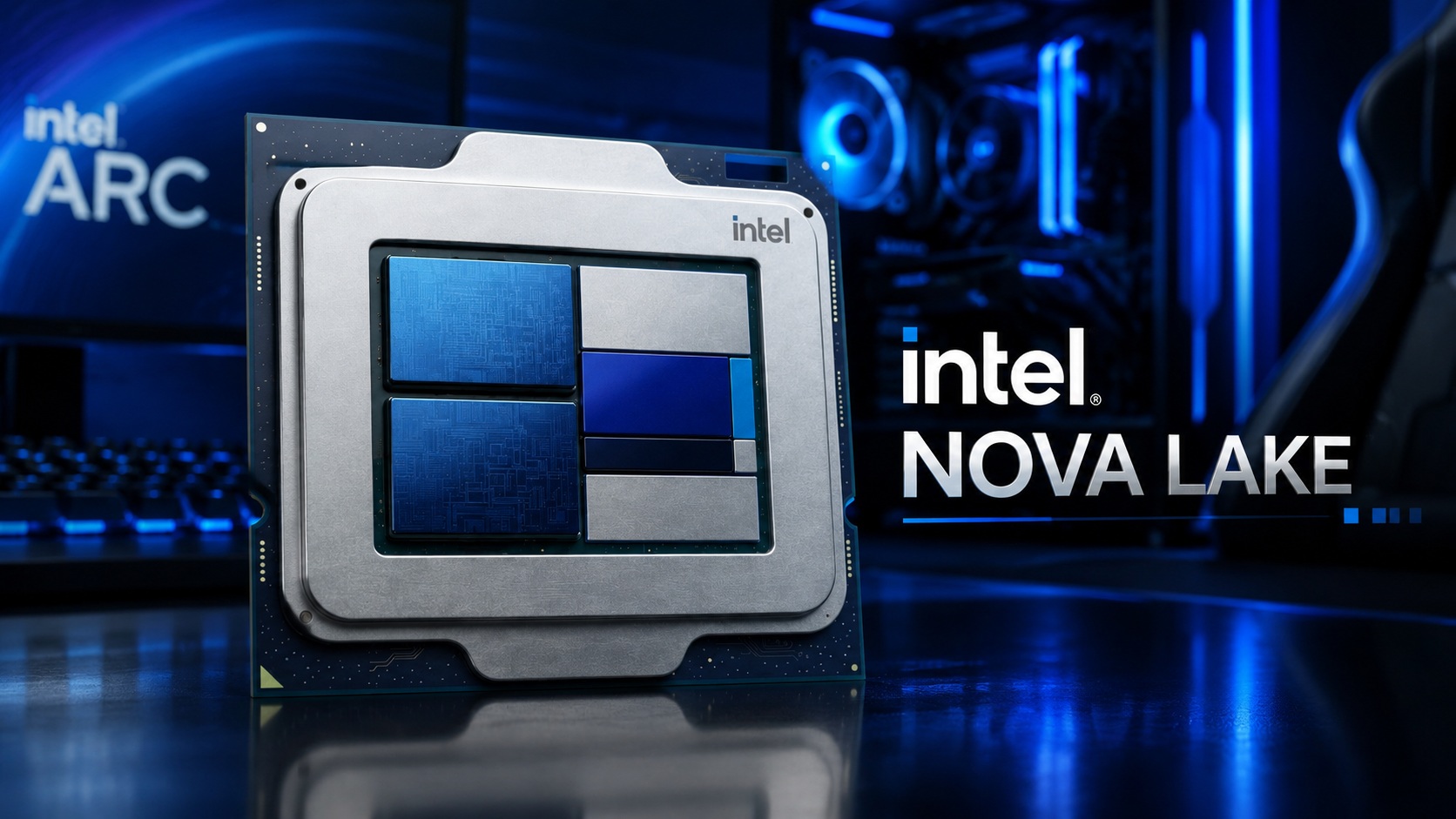
Intel's transition from Lunar Lake to Panther Lake marks a notable shift in its laptop processor strategy, one that is likely to reshape market dynamics. The new generation, built on an advanced 18A node, not only introduces performance improvements but also signals a move away from reliance on external foundries like TSMC. This shift, combined with ongoing supply constraints, could lead to a 20% price premium for Panther Lake-based devices over their predecessors.
Samsung's Galaxy Book6 Pro and Ultra models, which will feature Intel's Core Ultra X7 series, exemplify this trend. The starting model, equipped with the Core Ultra X7 368H processor, includes 16 cores, a boost clock of up to 5.0 GHz, and an integrated Arc B390 GPU. This configuration is designed to deliver performance comparable to a discrete NVIDIA GeForce RTX 4050 laptop GPU, with additional enhancements from Intel's XeSS3 technology.
The Galaxy Book6 Pro series begins at approximately $2,315 for a model with 32 GB of LPDDR5X memory and a 1 TB SSD. The higher-end Galaxy Book6 Ultra, priced around $3,350, retains the same memory and storage specifications but includes a dedicated NVIDIA GeForce RTX 5070 mobile GPU, catering to users with more demanding graphical needs.
Key specs for the Core Ultra X7 368H include
- Chip: Intel Core Ultra X7 368H (12 Xe cores, 4 GT2 cores)
- Integrated Graphics: Intel Arc B390 (Xe graphics)
- Memory: LPDDR5X up to 32 GB
- Storage: 1 TB SSD
- Boost Clock: Up to 5.0 GHz
- Performance Claims: 77% faster than Lunar Lake Arc 140V, 73% faster than Radeon 890M (AMD Strix Point)
The performance gains are significant, with Intel claiming that the Arc B390 integrated GPU is on par with a discrete NVIDIA GeForce RTX 4050 laptop GPU. However, the real-world impact will depend on how well these improvements translate into practical applications, particularly in tasks requiring advanced graphical processing.
This price premium reflects not only the technological advancements but also the current market conditions, including a persistent DRAM shortage. Intel's move to internal fabrication for Panther Lake, away from TSMC's N3B node used in Lunar Lake, underscores its commitment to controlling its supply chain and potentially mitigating future shortages.
Looking ahead, the introduction of Panther Lake processors could further solidify Intel's position in the laptop market, especially if the performance improvements are sustained across a broader range of devices. The upcoming CES 2026 event may provide more insights into how these advancements will be integrated into consumer products and their potential impact on market share.