processors are getting more powerful every year, but the real challenge for manufacturers isn’t just raw performance—it’s balancing heat, battery life, and efficiency without sacrificing speed. Samsung’s Exynos 2700 is stepping into that balance, with early tests showing it addresses some of the most common pain points in today’s high-end smartphones.
The Exynos 2700 isn’t just an incremental upgrade; it represents a shift in how Samsung approaches mobile SoCs. Unlike its predecessor, the Exynos 2600, this new chip is designed to handle heavier workloads more gracefully, particularly when it comes to thermal throttling and sustained performance under load.
Under the hood, the Exynos 2700 maintains a familiar architecture but introduces refinements that could make it a stronger competitor against Qualcomm’s Snapdragon offerings. It still features one Cortex-X3 core for heavy lifting, three Cortex-A715 cores for balance, and four Cortex-A510 cores for efficiency—but the real focus is on how these components work together.
One of the biggest improvements appears to be in power management. Early benchmark data suggests that Samsung has optimized the chip’s thermal behavior, reducing the likelihood of throttling during extended use. This isn’t just about raw clock speeds; it’s about making sure those speeds stay consistent when users push their devices hard—whether they’re gaming for hours or editing video on the go.
What’s Different?
The Exynos 2700 keeps the same core lineup as its predecessor, but the differences lie in execution. The Cortex-X3 core is still the flagship performer, capable of reaching up to 2.9 GHz, while the Cortex-A715 cores sit at 2.8 GHz and the efficiency cores at 2.2 GHz. However, the thermal design appears more aggressive, with a focus on dissipating heat more effectively without sacrificing battery life.
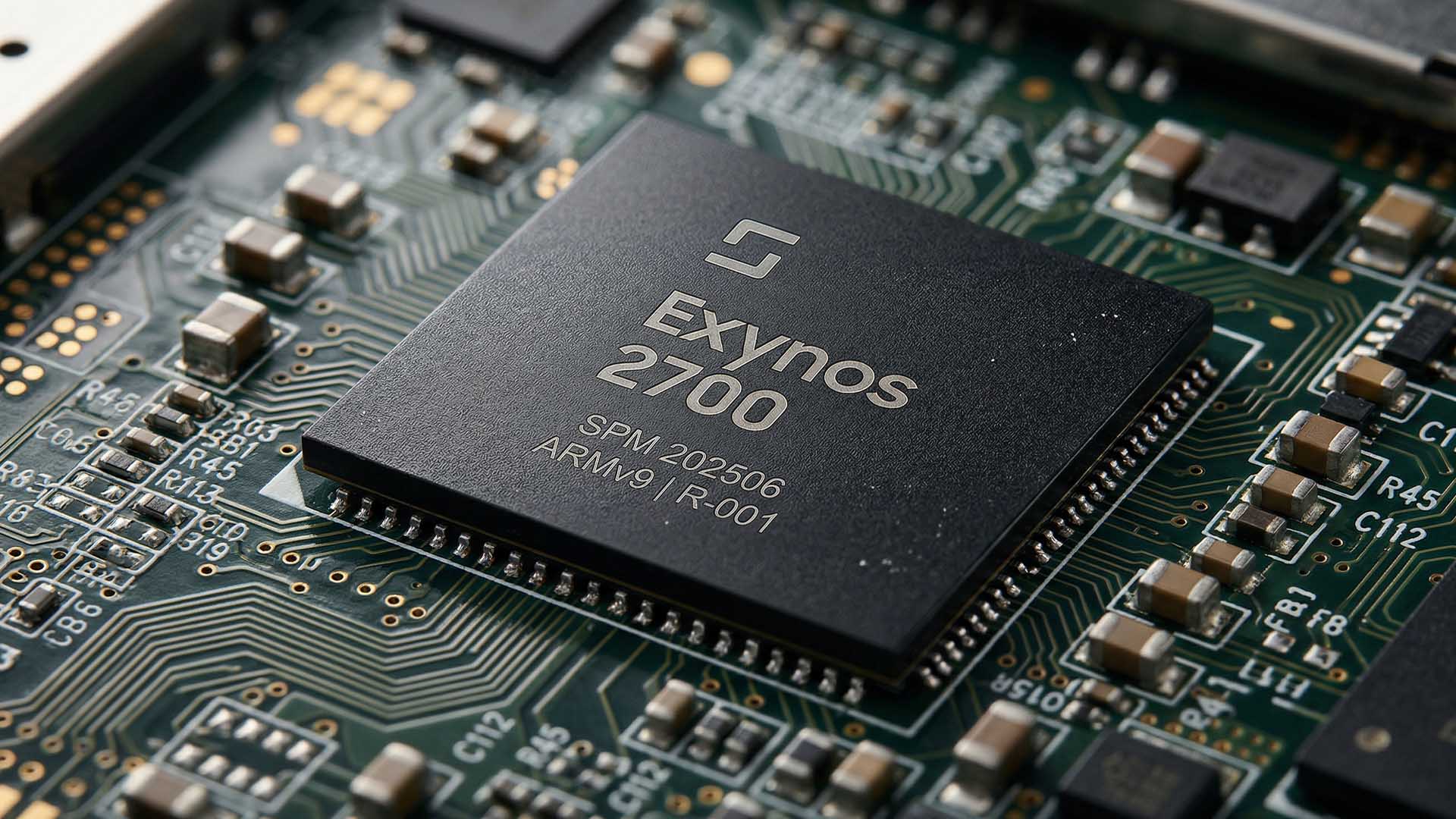
This isn’t just about raw performance metrics either. Samsung is also refining how the chip interacts with software, particularly in how it handles background tasks and multitasking. This could translate to smoother performance in everyday use, which is often where users notice the biggest differences between chips—even if the numbers on paper look similar.
Why It Matters
For small businesses or power users who rely on their smartphones for productivity, a chip that doesn’t throttle under load can be a game-changer. Whether it’s running multiple apps simultaneously, processing large files, or maintaining performance during long work sessions, thermal stability and efficiency are just as important as raw speed.
Samsung’s focus here seems to be on making the Exynos 2700 not just faster, but more reliable in real-world scenarios. That’s a shift from the past, where chips often hit walls when pushed too hard. If this trend continues, it could set a new standard for what mobile users expect from their devices.
What to Watch For
The Exynos 2700 is still in early testing stages, so its final performance won’t be fully clear until it’s officially announced. But the signs so far suggest Samsung is serious about addressing some of the most common frustrations with mobile hardware—thermal throttling and power efficiency.
For businesses or individuals who need a device that can handle heavy workloads without slowing down, this could be a promising development. The next few months will tell us whether Samsung has succeeded in turning these improvements into something tangible for consumers.