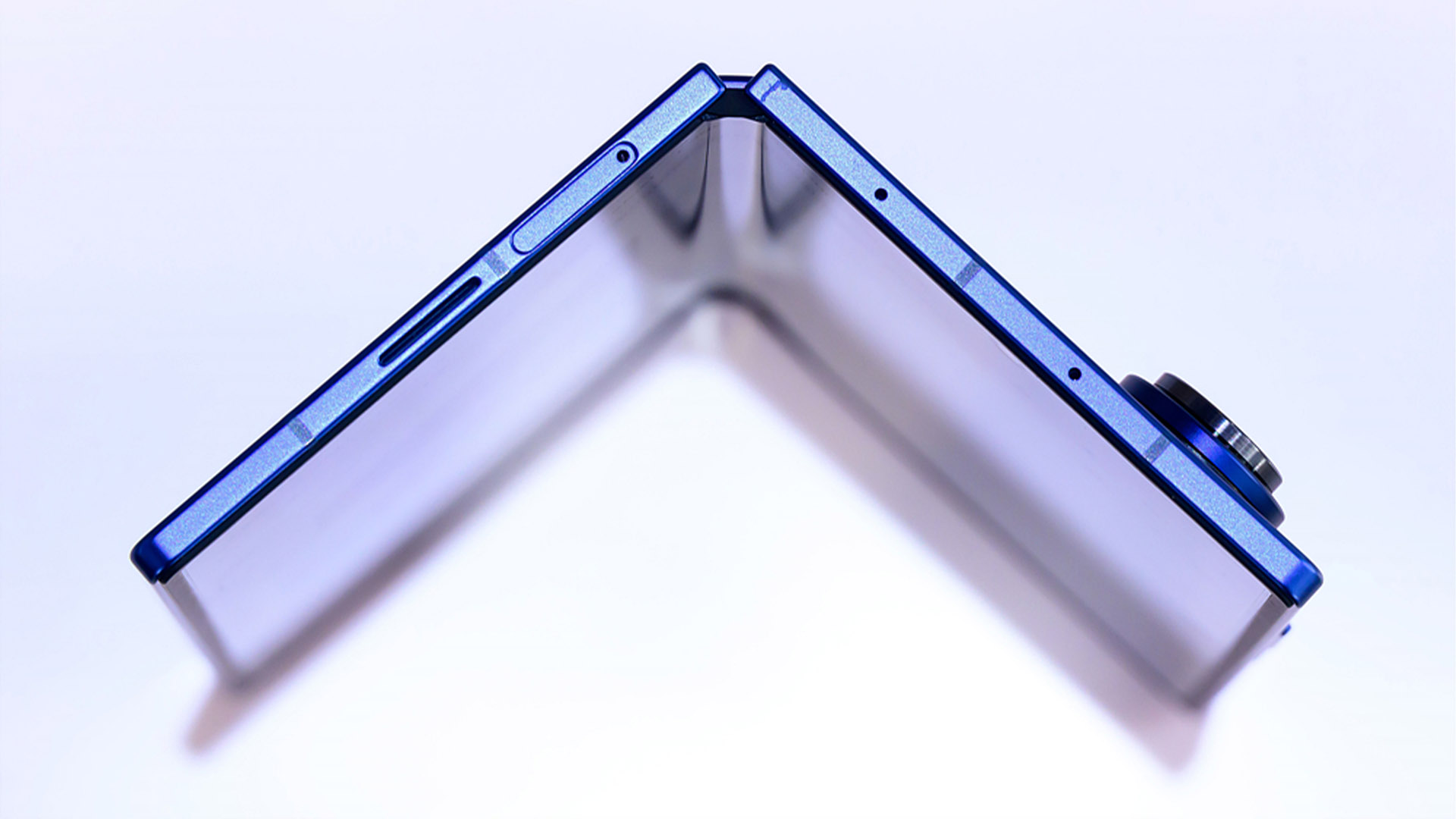
The moment a Galaxy Z Fold 8 unfolds, the difference is in the details: no more bulky punch-hole cutouts for cameras, just a smooth, seamless transition between the folded and unfolded states. Underneath that polished exterior lies a rethinking of how foldable phones can pack more camera capability without sacrificing battery life or display clarity.
Samsung’s latest design tweaks are aimed at small businesses that rely on mobile productivity—think field technicians, sales teams, or remote workers who need both a powerful device and one that stays cool under load. The tradeoff is visible in the choice of materials and power delivery, but the result is a phone that feels lighter when folded yet more capable when spread open.
What hasn’t changed is the core challenge: balancing heat, battery life, and performance in a form factor that’s still only 6.2 mm thick when closed. The Fold 8 takes small steps toward solving that equation without overpromising on long-term sustainability.
- Display: 7.6-inch main screen (FHD+, 393 ppi), 6.2-inch cover display (Super AMOLED, 415 ppi)
- Processor: Snapdragon 8 Gen 3 for Galaxy (4,092 MHz CPU, Adreno 740 GPU)
- Memory & Storage: Up to 12 GB LPDDR5X RAM, up to 1 TB UFS 4.0 storage
- Cameras: 50 MP main (f/1.8) + 12 MP ultrawide (f/2.2), 10 MP front cover camera
- Battery: 4,320 mAh (main battery), 700 mAh (cover display)
- Thickness: 6.2 mm when folded, 159.9 mm unfolded
The key innovation lies in the camera placement: a refined hole-punch design that avoids the traditional punch-out method, instead using a precision laser cut to reduce stress on the display’s protective layers. Combined with special refractive lenses, this allows for a more compact module without sacrificing image quality or introducing unsightly gaps.
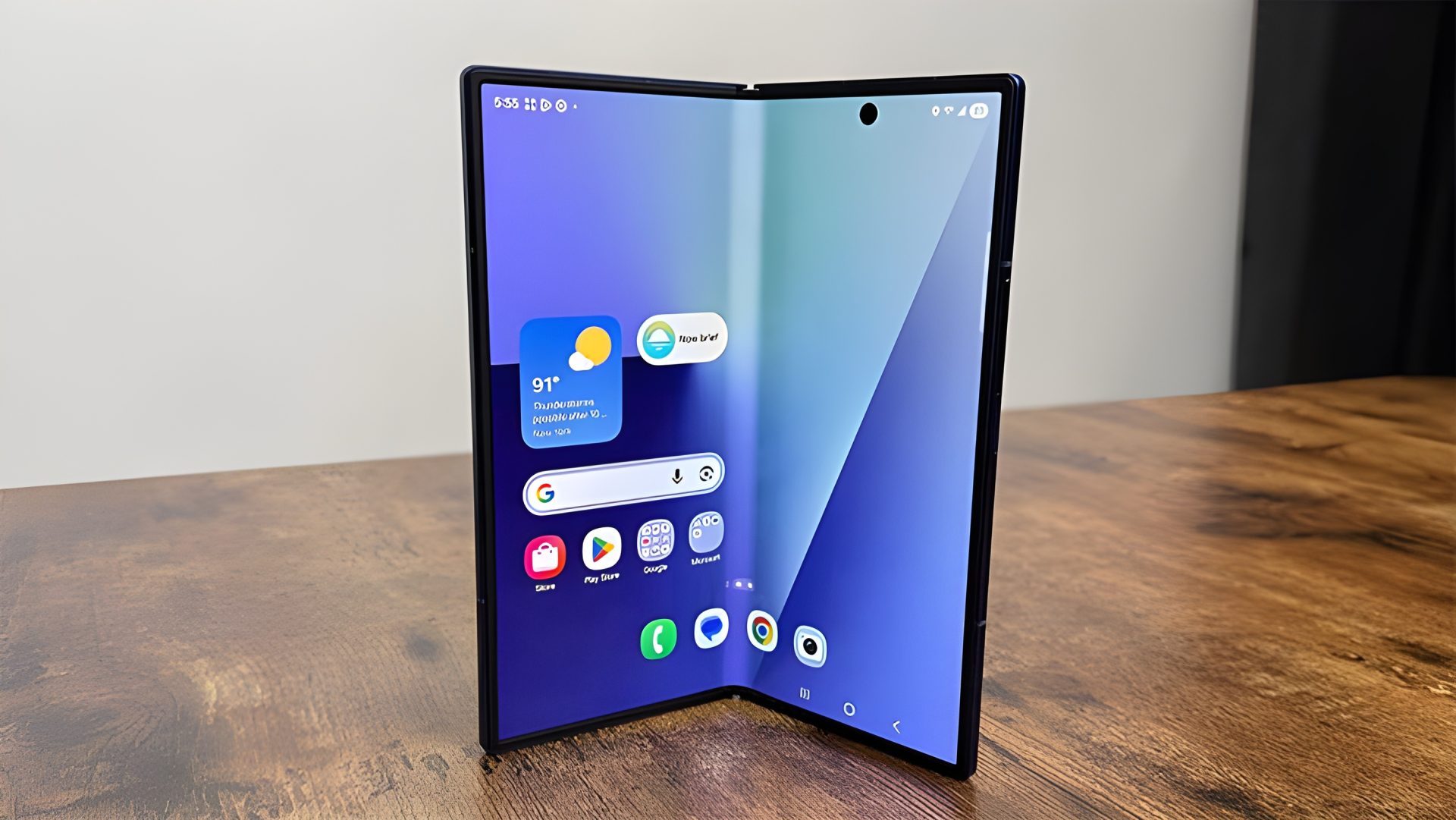
For small businesses, the real-world impact is twofold. On one hand, the reduced bezel size means more screen real estate when folded—useful for quick data entry or note-taking. On the other, the cover display’s 10 MP camera (with autofocus) makes it viable for video calls in any lighting condition, a feature previously reserved for larger devices.
But no system is perfect. The Snapdragon 8 Gen 3, while efficient, still runs warm under sustained workloads—something small businesses running CAD or photo editing apps will notice. Samsung’s response is incremental: better thermal padding and a slightly more efficient power delivery circuit, but not a breakthrough in heat management.
Pricing starts at $1,499 for the 256 GB model, positioning it as a premium tool rather than an everyday companion. Who benefits most? Likely professionals who need portability without compromise—those who fold their phone to slip it into a pocket but unfold it to handle complex tasks.