Microsoft’s Game Pass stands on the brink of a significant shift that could redefine its appeal for enterprise customers. Rumors suggest Call of Duty may be excluded from the service, a change that would force companies to recalculate whether the cost savings justify losing one of gaming’s most recognizable franchises.
The decision isn’t just about budget—it’s about identity. Game Pass has built its reputation on delivering high-impact titles that attract both casual and hardcore gamers. Call of Duty, with its annual releases and dedicated player base, plays a pivotal role in that equation. Removing it would create an immediate void, one that Microsoft must fill without disrupting the balance that keeps enterprises subscribing.
For now, Game Pass operates on a three-game plan priced at roughly $10 per user monthly. If Call of Duty is gone, the cost might drop, but so would the platform’s ability to justify its premium positioning. Enterprises that rely on Game Pass for employee engagement or team-building programs could find themselves replacing a single, high-profile title with multiple alternatives—potentially increasing overall spending without delivering the same brand weight.
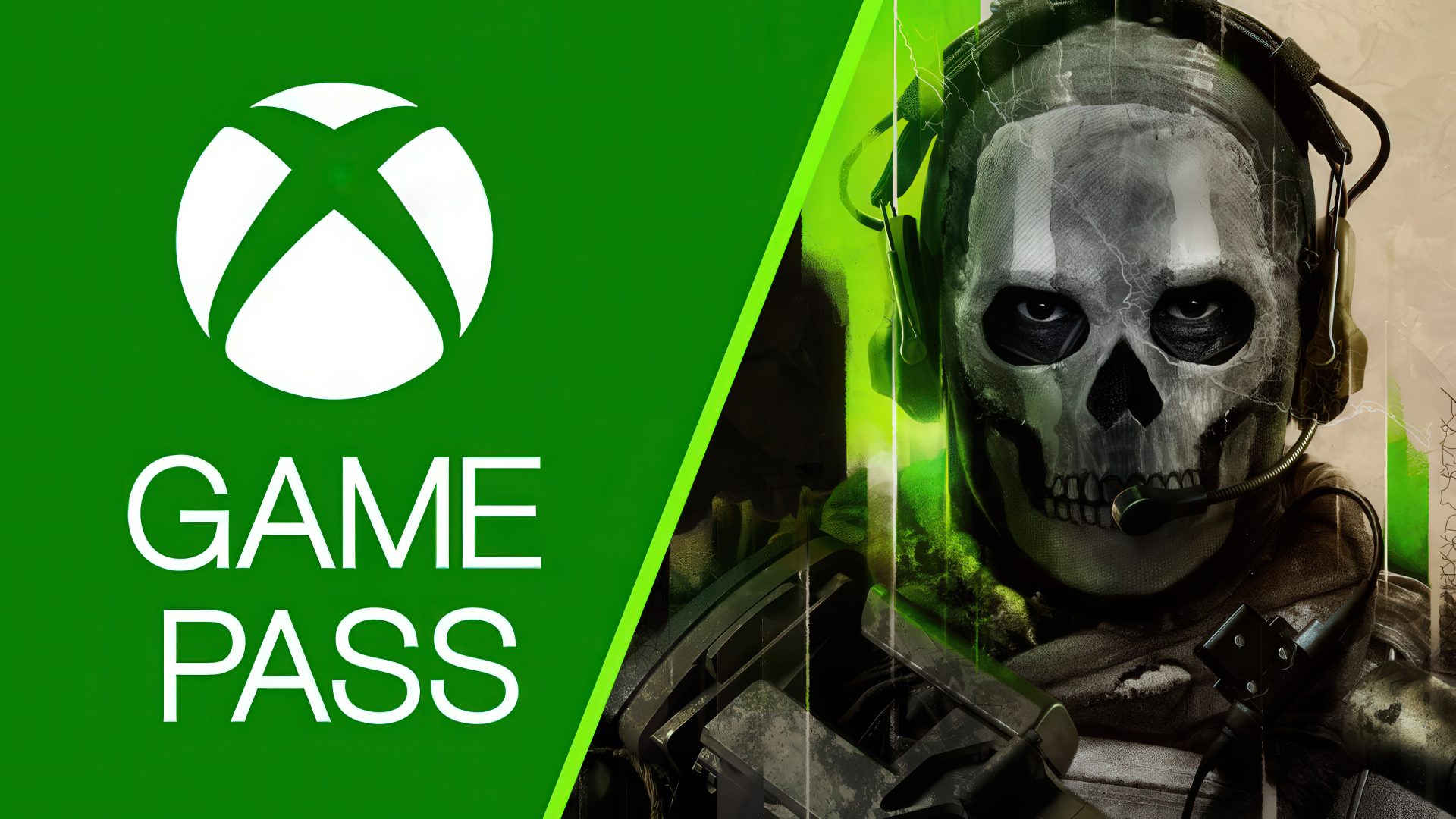
There’s also the question of compatibility. Call of Duty is a staple across PC and Xbox, offering a consistent experience that IT departments have come to expect. If Microsoft replaces it with less universally recognized titles, enterprises may face pushback from users accustomed to high-profile franchises. The risk isn’t just financial; it’s operational.
The bigger question remains: would the cost savings outweigh the loss of a title that helps define Game Pass’s identity? Without official confirmation, enterprises are left in limbo—weighing potential savings against the risk of diminished platform appeal. If Microsoft proceeds with the change, it will be testing whether Game Pass can survive without one of its most lucrative pillars.