Game development is at an inflection point. The tools that once defined entire studios—from asset creation to programming—are now being reimagined by artificial intelligence. Capcom has taken a deliberate stance: it will not use generative AI for in-game assets, but the company sees significant potential in other areas.
This isn't about rejecting innovation; it's about setting boundaries. The emphasis is on productivity and efficiency, particularly in graphics, sound design, and programming. The goal is clear: leverage AI to streamline workflows without sacrificing the creative integrity that defines Capcom's franchises.
What It Means for Upgrade Decisions
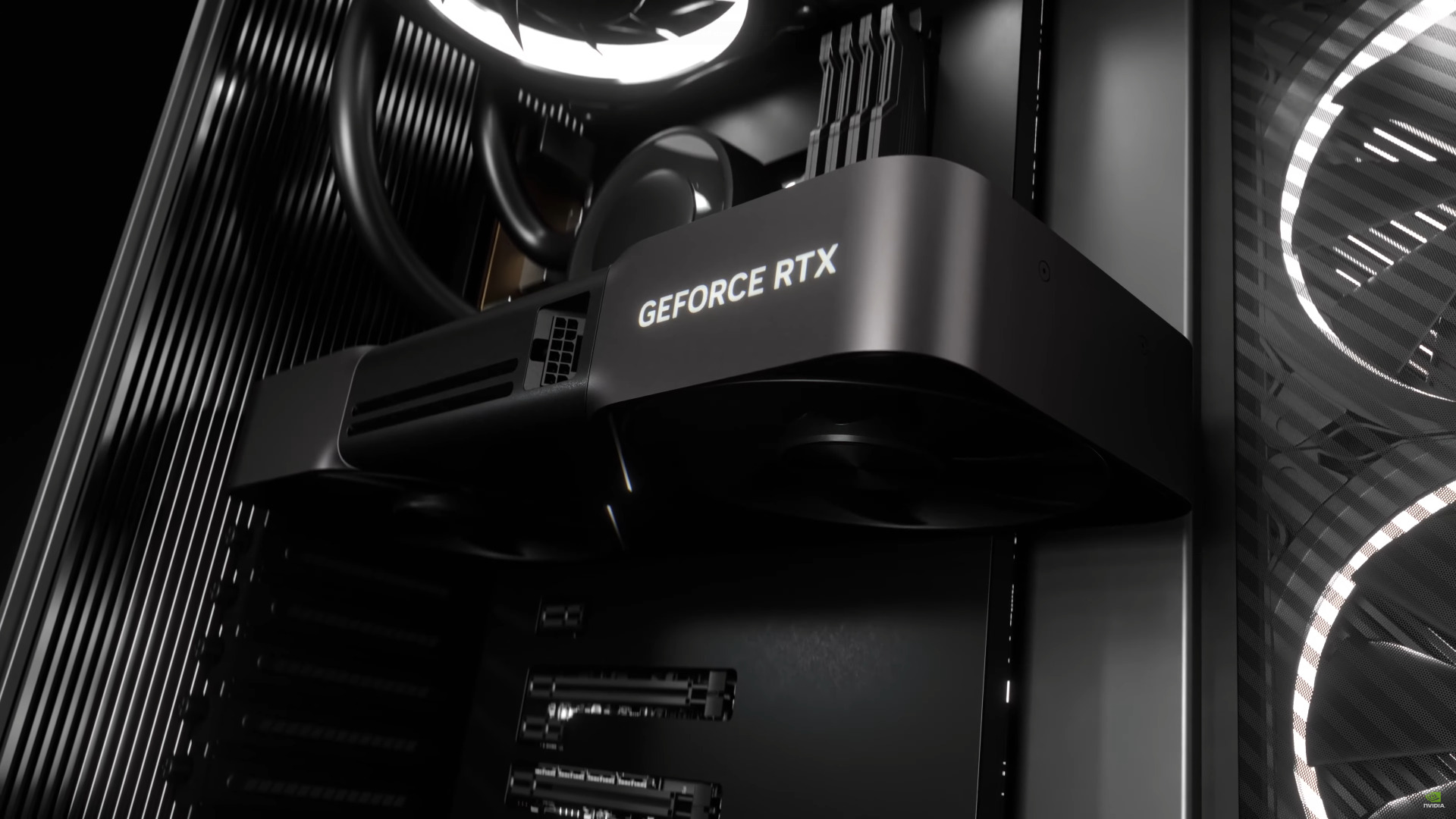
The shift toward AI-assisted development introduces a new layer of complexity for studios. Hardware upgrades, once seen as purely performance-driven, now carry additional weight. Teams must evaluate not only raw power but also compatibility with emerging AI tools. For example, a graphics card that excels in rendering might also need to handle AI-accelerated tasks like texture generation or procedural animation.
- Graphics: Faster iteration on visual assets without sacrificing quality.
- Sound Design: Automated mixing and effect generation tailored to specific scenes.
- Programming: AI-assisted debugging and code optimization, reducing development time.
A practical example: a developer working on a new Resident Evil title could use AI to generate dynamic lighting effects in real-time. The result isn't just faster; it's more adaptable. Lighting that once required manual tweaking can now respond to gameplay changes dynamically, creating a more immersive experience.

Industry Timeline and Adoption
The timeline for AI adoption in game development is still unfolding. Capcom's approach suggests a phased integration, where AI tools are introduced incrementally rather than as a sudden overhaul. This mirrors broader industry trends, where studios are balancing the promise of AI with the need for rigorous testing and quality control.
Supply chains are also evolving. Hardware manufacturers are already developing GPUs optimized for AI workloads, which will likely become standard in high-end workstations. For smaller studios or indie developers, this could mean a shift toward cloud-based solutions that provide access to powerful AI tools without the need for expensive hardware upgrades.
What's Confirmed and What's Still Unconfirmed
Capcom has confirmed its stance on asset creation: generative AI will not be used to generate in-game characters, environments, or items. This preserves creative control and ensures that Capcom's signature style remains intact. However, the specifics of how AI will be integrated into other workflows—such as programming or sound design—are still under development.
The bigger question is whether this approach will become an industry standard. Some studios may follow Capcom's lead, prioritizing efficiency without compromising creativity. Others might take a more aggressive stance, experimenting with AI-generated assets to push creative boundaries. The outcome remains uncertain, but one thing is clear: the role of AI in game development is no longer hypothetical—it's here, and it's reshaping the landscape.