Gigabyte’s presence at CES has always been a barometer for innovation, but this year’s show introduced a series of developments that hint at significant shifts in how hardware is designed, priced, and experienced. The company’s emphasis on AI integration, RAM optimization, and the potential arrival of transparent OLED monitors suggests a deliberate pivot toward both performance efficiency and visual breakthroughs.
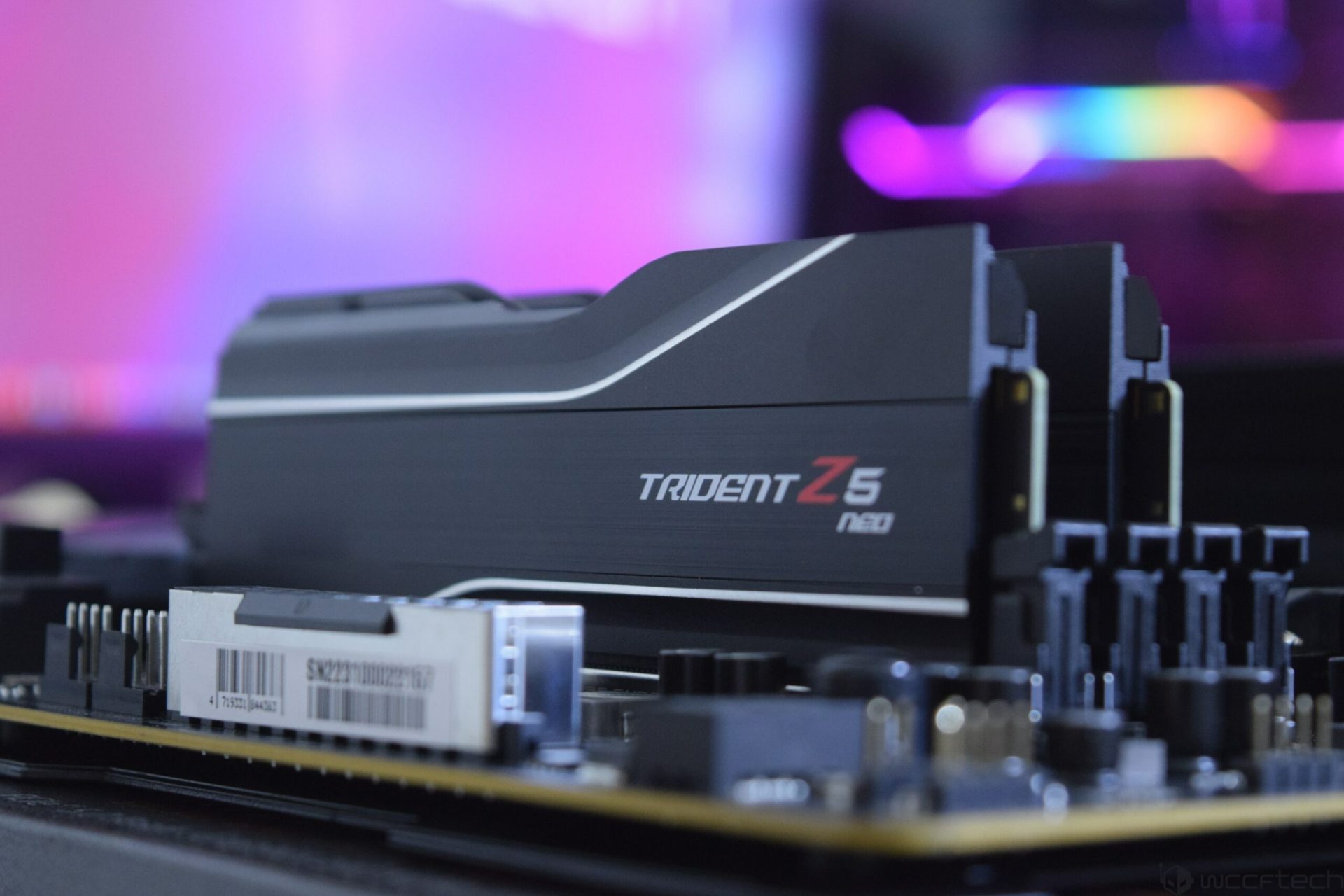
At the heart of Gigabyte’s strategy lies a meticulous approach to balancing cost and capability—a response to the rising memory prices that have ripple effects across the industry. While 32GB RAM remains a benchmark for high-end systems, the company’s internal testing indicates minimal performance gains when moving beyond 16GB in gaming scenarios. This finding challenges conventional wisdom about memory allocation, potentially influencing how manufacturers and consumers alike view system configurations.
Display technology is another frontier where Gigabyte appears to be making bold strides. The prospect of transparent OLED monitors, which could emerge as early as CES 2028, represents a leap beyond traditional screen designs. If realized, such displays would redefine the aesthetics and functionality of desktop setups, merging transparency with high-performance visuals—a feature that could appeal to both gamers and content creators.
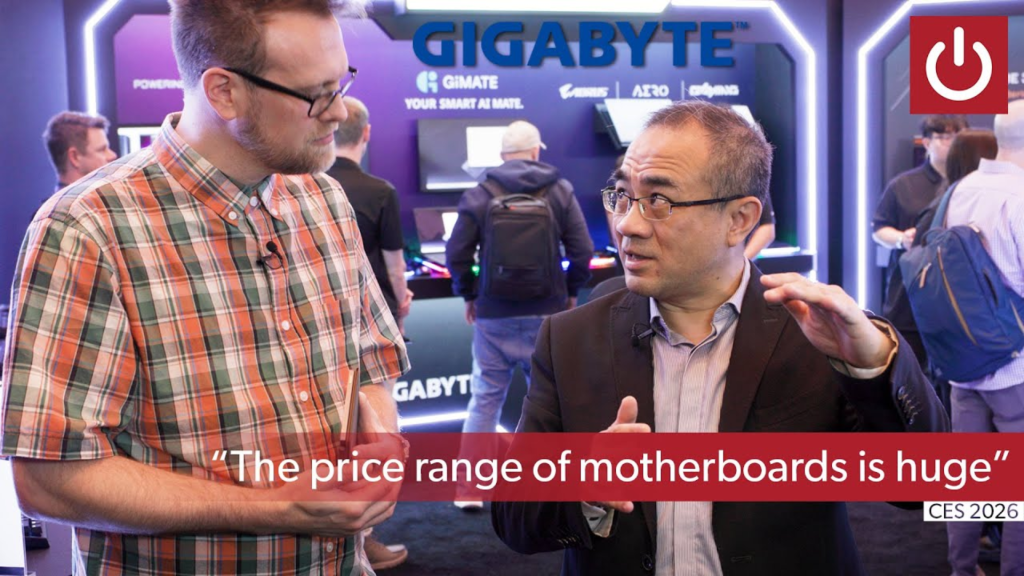
Motherboard design is also evolving under Gigabyte’s guidance. Innovations like back-facing connectors aim to streamline cable management while maintaining build quality, addressing a longstanding pain point for enthusiasts. Stylistic elements, such as wood panel accents, suggest an effort to differentiate products in a crowded market, blending form with function.
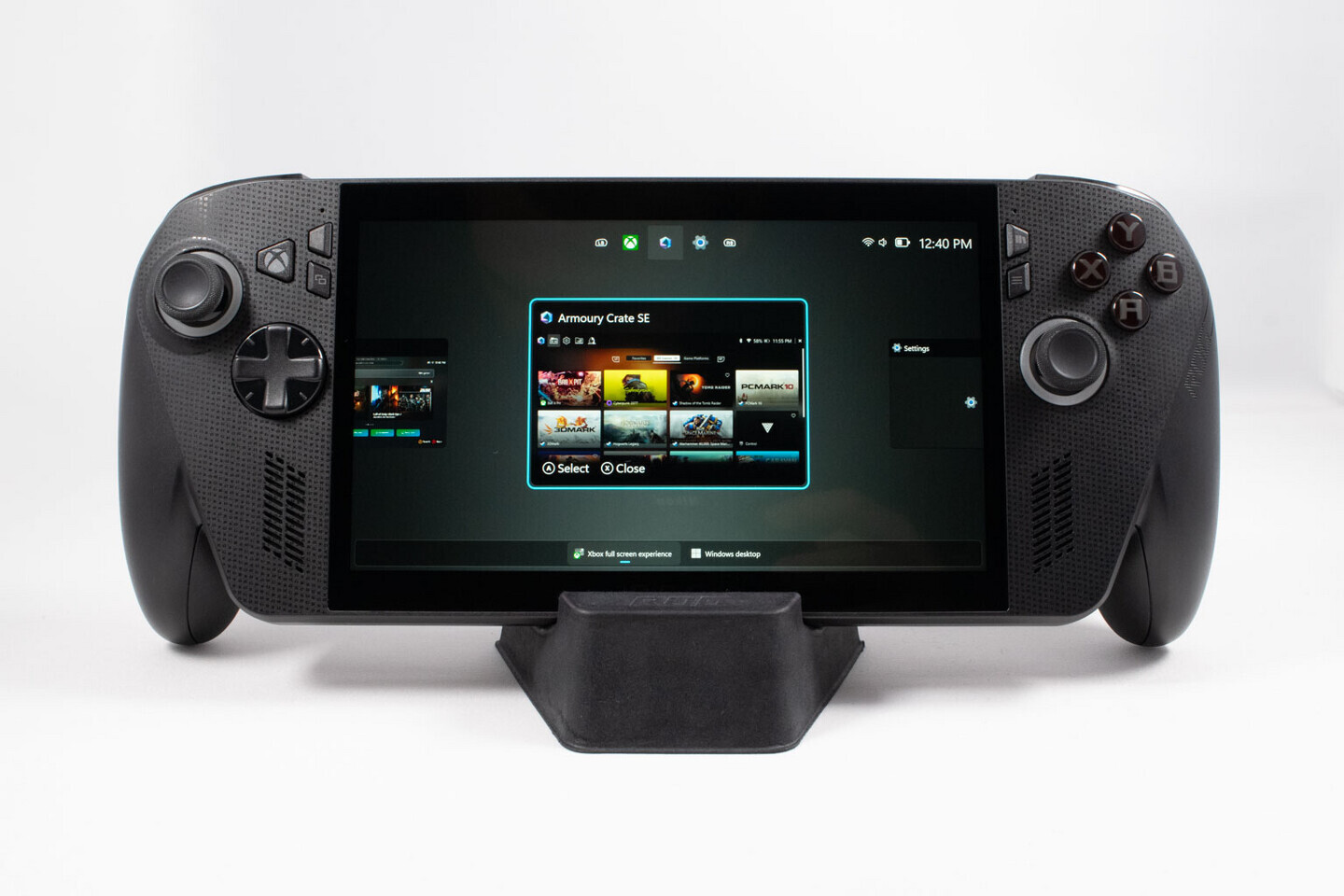
Looking ahead, Gigabyte’s focus on handheld gaming devices introduces another layer of competition, particularly in the Chinese market. Differentiation here will be key, as the company navigates a landscape already dominated by established players like Valve and Steam Deck. The challenge lies in carving out a niche without compromising performance or user experience.
For now, these developments paint a picture of a company at the forefront of hardware innovation—one that is equally concerned with pushing technological boundaries while remaining mindful of economic realities. Whether through AI-driven enhancements, memory efficiency, or next-generation displays, Gigabyte’s trajectory suggests it will continue to play a pivotal role in shaping the future of computing.