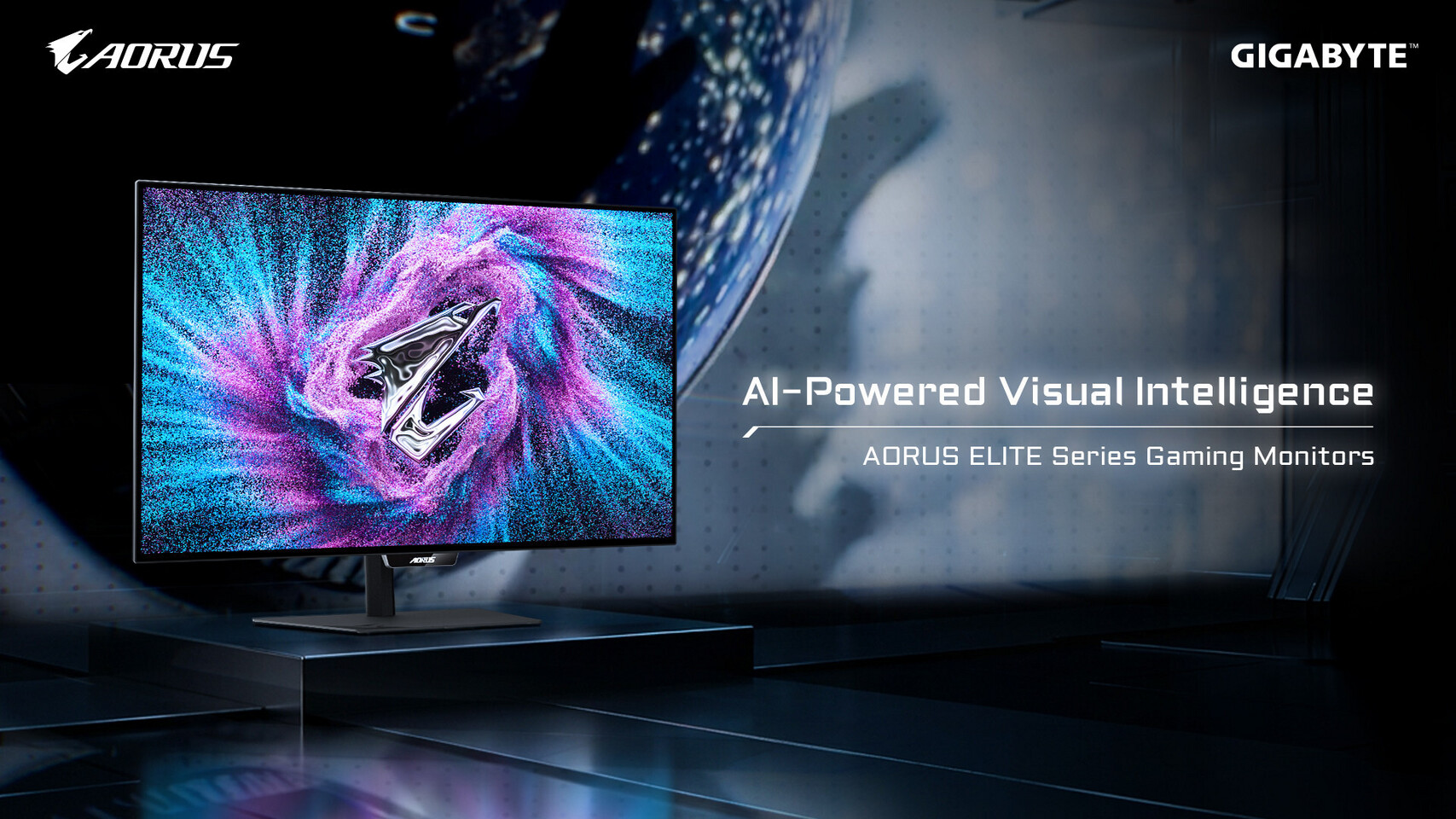
Gigabyte is redefining what a gaming monitor can do by weaving AI directly into its visual pipeline. The new AORUS ELITE Series doesn’t just adjust settings; it learns from content, environment, and usage patterns to deliver a more dynamic experience than traditional panel-based tuning. At the heart of this shift is an AI engine that adapts brightness, contrast, and sharpness in real time, while also extending OLED longevity through automated monitoring.
One standout feature is HyperNits, which boosts HDR brightness by up to 30% without sacrificing highlight detail. This is achieved through an optimized EOTF curve that prevents overexposure—a practical advance for high-APL scenes where traditional HDR can look washed out. Meanwhile, AI Super Resolution, exclusive to the FM275K16P 5K Mini LED model, promises to sharpen images beyond native resolution, though real-world testing will determine how noticeable this effect is compared to hardware-based upscaling.
Where the Tech Meets Reality
The AI OLED CARE PRO system adds another layer of innovation. It uses sensor data to track user presence, ambient light, and even pixel conditions, adjusting power states and cooling to minimize burn-in risk. Thermal improvements—including a 12% reduction in T-Con temperature and up to 35% better heat distribution—help sustain performance over long sessions. However, the effectiveness of these measures depends on how aggressively Gigabyte’s AI balances longevity with peak brightness.
Tactical Features Expand, But at What Cost?
Gigabyte is also doubling down on its Tactical Features ecosystem, which now includes a customizable HUD and adaptive crosshair system that shifts between red and green for better visibility. These additions aim to merge gaming utility with traditional monitor functionality, but they may introduce latency or processing overhead that isn’t immediately obvious in marketing materials.
For power users, the real question is whether these AI-driven enhancements translate to measurable improvements in workflows—especially when paired with high-refresh-rate panels like the RTX 5090’s 240Hz support. The extended 4-year burn-in warranty on select models is a strong incentive, but it doesn’t address how the monitor performs under sustained heavy loads.
What remains unclear is whether Gigabyte’s AI optimizations will introduce new calibration requirements or if they’ll require significant computational resources from the GPU itself. Early adopters may find themselves toggling between automated and manual modes to achieve consistency, which could undermine the ‘set-and-forget’ promise of these features.
Looking Ahead
The AORUS ELITE Series represents a bold step into AI-augmented display technology, but it’s not yet clear if this is a trend or an outlier. For now, gamers and creators should weigh the potential for smarter visuals against the need for manual fine-tuning. The platform’s ecosystem—combining hardware, software, and thermal engineering—will likely shape its long-term adoption, but today’s updates leave more questions than answers about where this path leads next.