For Linux users who rely on GNOME, the beta release of version 50 signals a turning point—not just in polish, but in how the desktop handles modern hardware. Two standout features, variable refresh rate (VRR) and dedicated GPU (dGPU) support, have moved from behind-the-scenes terminal toggles to mainstream usability. But the deeper implications of this update go beyond gaming tweaks.
GNOME 50’s beta freeze, set to become the stable release on March 18, 2026, reflects a deliberate push toward a fully Wayland-based ecosystem. That means no fallback to X11—something that has been in development since mid-2025, when GNOME 49 disabled X11 by default. For power users, this could mean fewer compatibility quirks, but also a harder line for legacy setups.
What people might expect
- Gaming improvements: VRR and dGPU support now work out of the box, eliminating the need for manual configuration. This is a big win for Linux gamers who’ve long struggled with tearing or had to enable features via command line.
- Wayland-only future: The shift away from X11 is framed as progress, but some older hardware or niche workflows may now face limitations.
- Polished defaults: Apps like Nautilus (the file manager) and GNOME Software are getting UI refinements, but the core experience remains familiar—no radical redesigns here.
What’s actually changing
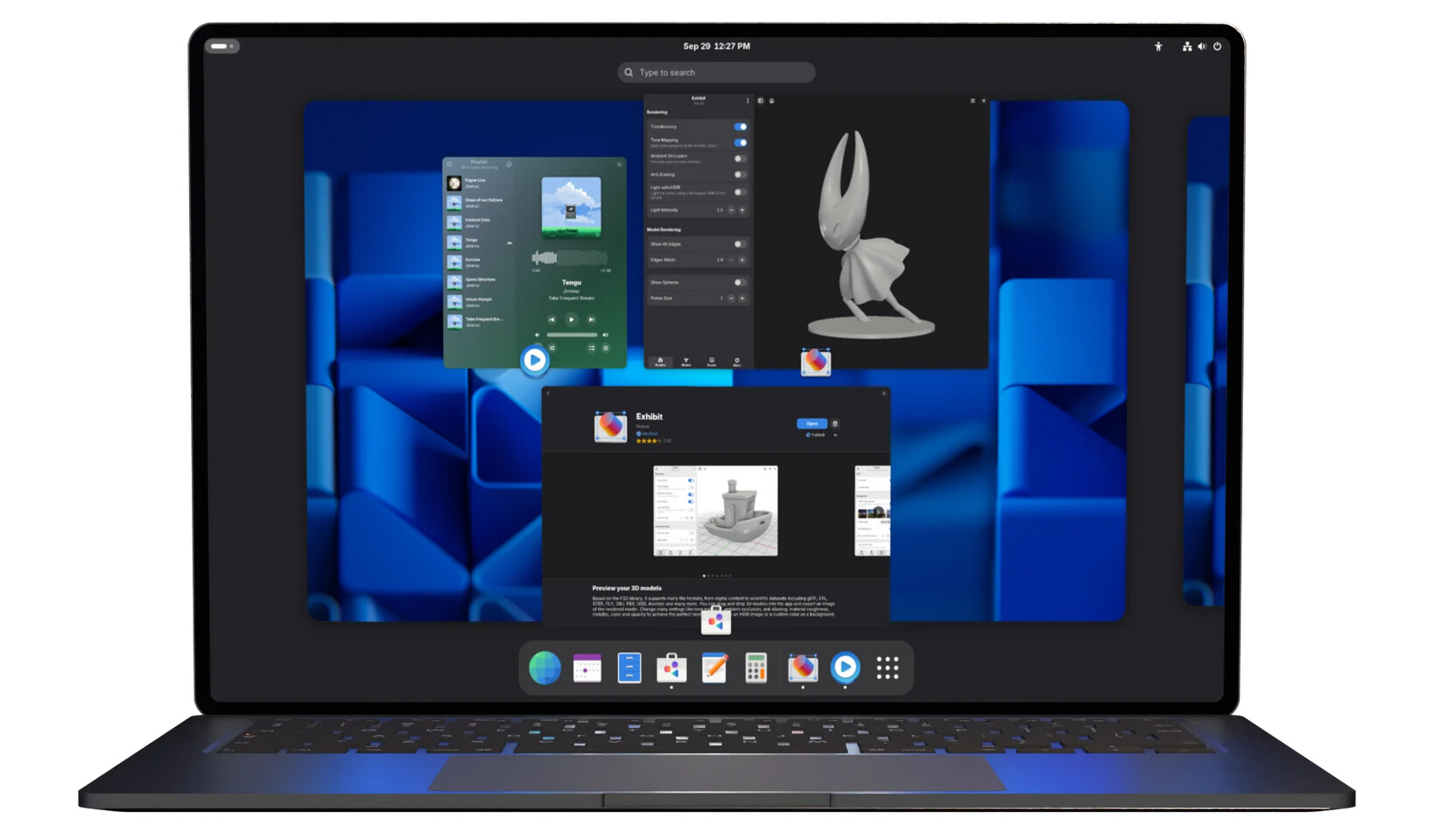
- VRR and dGPU: No longer experimental in Mutter (GNOME’s Wayland compositor), these features will now auto-detect compatible GPUs and monitors. For NVIDIA users, this means smoother gaming without manual tweaks, though AMD and Intel VRR support depends on driver maturity.
- Wayland exclusivity: GNOME 50 drops all X11 code entirely. While this simplifies maintenance, it may leave behind users with obscure setups or those relying on X11-specific tools.
- Screencasting upgrades: HiDPI and multi-monitor emulation improvements mean better recording quality for high-res displays, but these are incremental gains rather than breakthroughs.
- App refinements: Nautilus gains case-insensitive path completion, GDM (the display manager) adds unified authentication, and Control Center introduces a text-size slider—useful for accessibility but not earth-shaking for most users.
The beta is available now as a live image or via Flatpak’s 50beta branch, inviting early adopters to test stability. For the average user, the biggest takeaway is that GNOME is finally treating gaming hardware as a first-class citizen—without sacrificing the desktop’s reliability. Whether that translates to widespread adoption among gamers remains to be seen, but the groundwork is laid.
Who benefits? Primarily Linux gamers with modern GPUs and monitors, and power users who’ve grown tired of Wayland’s experimental quirks. The tradeoff? A cleaner but more rigid ecosystem, where legacy support is intentionally limited.
For now, the beta is the closest preview of what GNOME 50 will offer when it stabilizes in March. The question isn’t whether these changes work—they do—but whether they’ll persuade enough users to switch from X11 or other desktop environments.