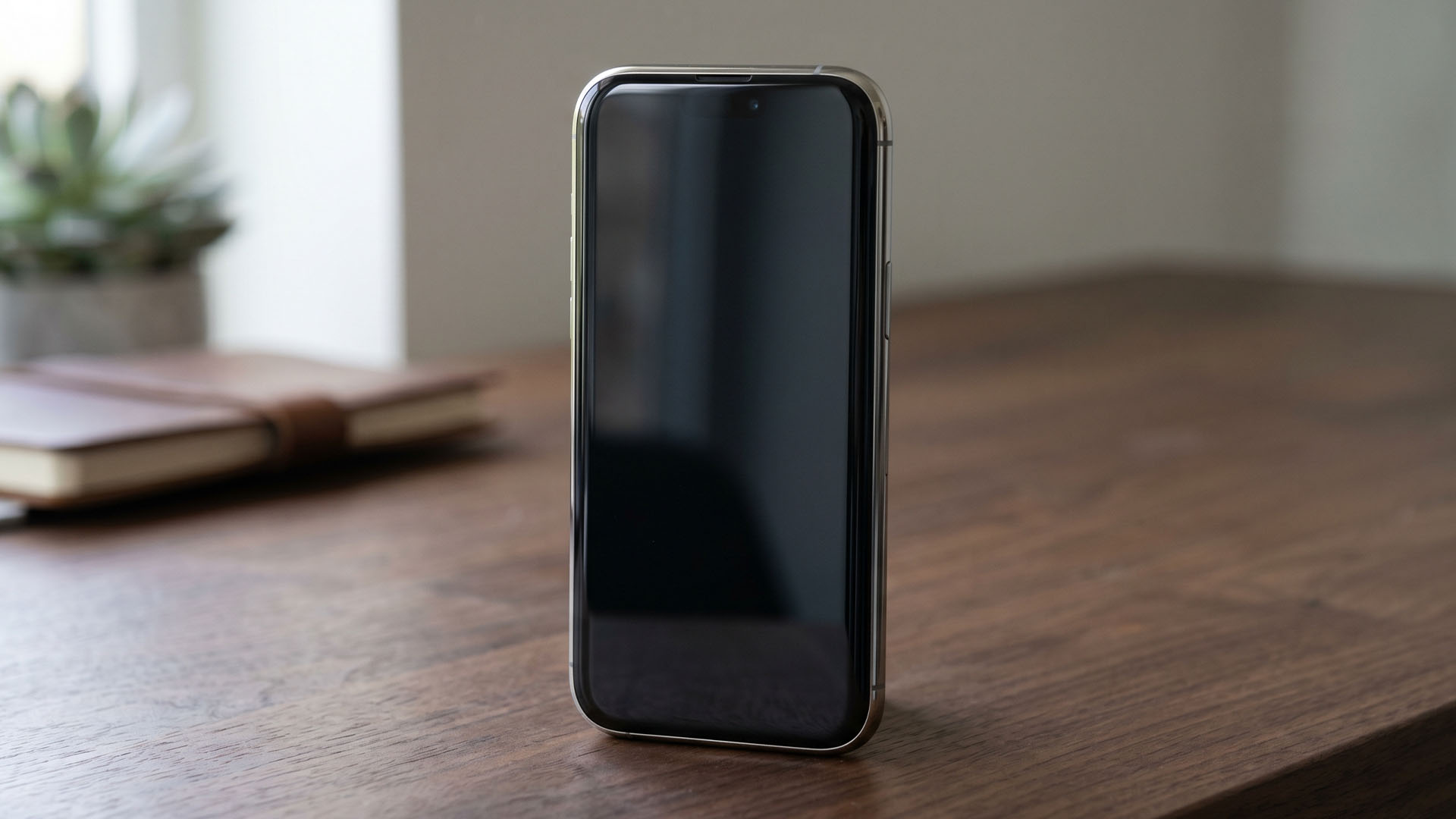
Samsung’s latest flagship smartphones, the Galaxy S26 series, are off to a sluggish start, with reports indicating a sharp drop in pre-order interest. While the company had anticipated robust demand based on earlier leaks, current trends suggest consumers are hesitant—likely a reaction to incremental upgrades, rising prices, and a broader market shift toward more radical design changes from competitors.
The pre-order slump raises concerns about whether Samsung can meet its annual sales target of 34 million units for the series. Early data indicates a significant number of cancellations, with some industry observers attributing the slowdown to a perceived lack of compelling reasons to upgrade from last year’s models.
The Case for Caution
Unlike Apple’s recent iPhone 17 lineup, which introduced a dramatic design overhaul, Samsung has taken a more conservative approach with the Galaxy S26 series. The focus appears to be on refining existing features rather than introducing groundbreaking innovations. This strategy may have backfired, as consumers increasingly expect bold advancements in both hardware and software.
Adding to the challenge, Samsung has raised prices across the board. The base Galaxy S26 starts at 1,254,000 won ($865) in South Korea—an increase of 99,000 won ($67.60) over the Galaxy S25. The Galaxy S26 Ultra follows a similar trend, with a base price of 1,797,000 won ($1,240), marking a 98,600 won ($67.13) jump. Higher storage configurations, such as the 1TB model, have seen even steeper increases, with the Ultra variant now priced at 2,550,400 won ($1,786), up by 423,000 won ($293).
These price hikes come at a time when memory costs—particularly DRAM and NAND—have surged due to global supply constraints. While Samsung has historically absorbed some of these costs, the company may now be passing them directly to consumers, further dampening enthusiasm for an already iterative update.
What’s New Under the Hood?
The Galaxy S26 series does introduce some notable technical refinements, though none are revolutionary. The flagship Ultra model retains its triple-camera setup but drops support for Qi2 magnetic alignment, a feature that had expanded compatibility with MagSafe accessories. Instead, Samsung is emphasizing its Flex Magic Pixel OLED display technology, which dynamically adjusts viewing angles to enhance privacy. The screen uses AI to dim peripheral visibility without affecting front-facing brightness, making it harder for others to glimpse sensitive content from the side.
On the camera front, the Ultra variant features a 200MP main sensor with a rumored f/1.5 aperture, alongside a 50MP ultrawide and a 50MP periscope telephoto with an f/2.9 aperture. A 12MP 3x telephoto and a 12MP selfie camera round out the setup, though the exact sensor models and configurations remain partially speculative.
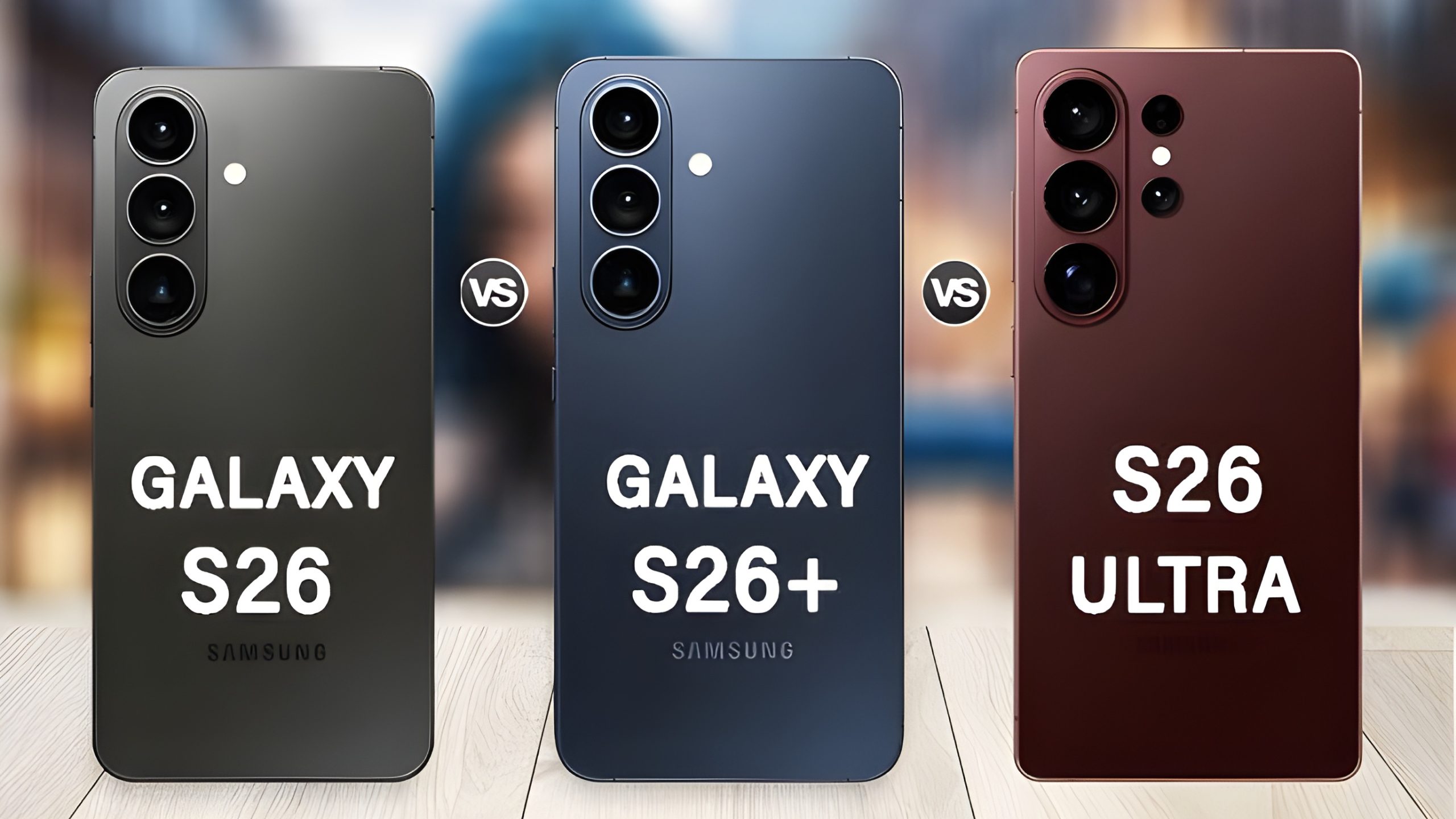
Key Specs at a Glance
- Display: Flex Magic Pixel OLED (Privacy Display with AI-driven angle adjustment)
- Chipset: Exynos 2700 (expected, though Snapdragon rumors persist)
- RAM: LPDDR5X (exact speed unconfirmed; earlier leaks pointed to LPDDR5X-9600)
- Storage: Up to 1TB (with significant price increases for higher tiers)
- Battery: 5,000mAh (some reports suggest 5,200mAh)
- Cameras:
- 200MP main (f/1.5)
- 50MP ultrawide
- 50MP periscope (5x, f/2.9)
- 12MP 3x telephoto
- 12MP selfie
- Connectivity: USB-C, S Pen support
- Colors: Cobalt Violet, Black Shadow, White Shadow, Galactic Blue
- Pricing (South Korea):
- Galaxy S26: 1,254,000 won ($865)
- Galaxy S26 Ultra: 1,797,000 won ($1,240)
- 1TB Ultra: 2,550,400 won ($1,786)
The Exynos 2700 chipset, expected to power the series, is anticipated to arrive in late 2026, though Samsung has not yet confirmed its inclusion. If adopted, the chip would represent a significant in-house push, though performance benchmarks and real-world efficiency remain untested.
Memory upgrades, including LPDDR6X modules and HBM4 stacks, are also on the horizon, with Samsung already ramping up production. These advancements could eventually trickle down to future devices, but for now, the Galaxy S26 series feels more like a bridge between generations than a leap forward.
What’s Next for Samsung?
Samsung’s struggle with pre-orders highlights a broader industry trend: consumers are growing weary of incremental updates, especially when paired with steep price increases. The company’s decision to avoid drastic design changes—while Apple and others experiment with foldables and modular upgrades—may have left the Galaxy S26 series feeling stale in comparison.
Whether this slow start translates into long-term sales challenges remains to be seen. Samsung’s ability to innovate in software, such as One UI enhancements or AI integrations, could help reignite interest. However, without a clear differentiator beyond privacy-focused displays and minor camera upgrades, the Galaxy S26 series may struggle to justify its premium pricing in an increasingly competitive market.
Official availability dates have not been confirmed, but leaks suggest a late-March or early-April launch in South Korea, followed by global rollouts. Until then, Samsung will need to address both perception and performance to regain momentum.