GOG Galaxy Is Getting a Linux Version—and It’s More Than a Port
Linux gamers who’ve long relied on workarounds like Heroic or manual file downloads are about to gain a first-party alternative. GOG, the retro-focused digital storefront, has quietly signaled plans to develop a native Linux version of GOG Galaxy, its all-in-one client for managing libraries, cloud saves, and multi-platform integration. The announcement arrives via a job posting targeting a senior C++ engineer, framing the role as critical to shaping Galaxy’s architecture with Linux as a core priority.
Why This Matters for Power Users
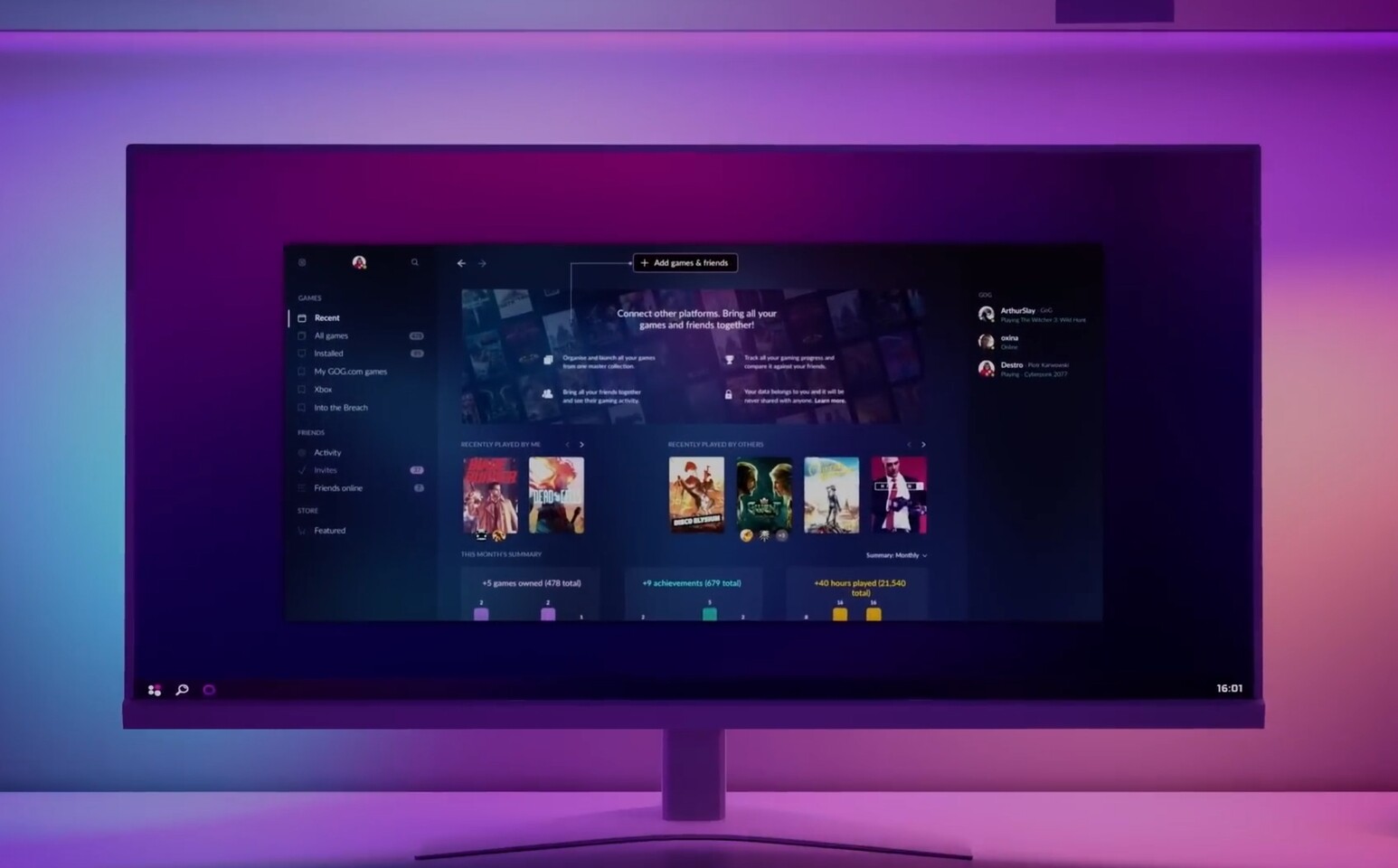
The current Linux experience for GOG users is fragmented: direct downloads work, but without a dedicated client, features like synchronized cloud saves, cross-platform library management (Steam, Epic, Xbox), and one-click installs remain out of reach. GOG’s move isn’t just about porting the existing app—it’s about rethinking how Galaxy interacts with Linux’s strengths, such as containerization and hardware acceleration. The job listing emphasizes long-term development, suggesting this won’t be a basic rewrite but a ground-up effort to ensure parity with the Windows version.
Key Technical Focus Areas
- Native Linux Integration: No more Wine or Proton dependencies for core functionality. The new client will target Linux-specific APIs for performance and stability.
- Hardware Support: Explicit mention of broad hardware compatibility, hinting at optimizations for AMD’s Radeon RX 5000 series and beyond, including Vulkan and OpenGL acceleration.
- Cloud Sync Overhaul: GOG’s cloud saves—already a staple on Windows—will be rebuilt for Linux, with a focus on offline resilience and cross-device sync.
- Multi-Platform Library: The client will retain GOG’s unique ability to merge libraries from Steam, Epic, and Xbox into a single interface, a feature Linux users currently lack.
- Tooling for Developers: Internal standards for Linux will be set from the start, ensuring future games (including GOG’s own titles) support the platform natively.
This isn’t just about retro titles either. GOG has been expanding its modern catalog, and a native Linux client would align with its push to make newer releases—like those built with Unreal Engine 5 or Godot—accessible without compromises. The emphasis on C++ engineering also suggests performance optimizations for both AMD and Intel hardware, potentially reducing the need for Proton layers in some cases.
Limitations and the Road Ahead
There’s no confirmed timeline, but the job posting’s language—help shape Galaxy’s architecture from day one—implies this is a strategic hire rather than a quick port. Linux users should expect a beta phase before a stable release, with early builds likely focusing on core functionality (library management, installs) before tackling advanced features like DRM-free streaming or mod support.
One unanswered question: Will this replace Heroic? Unlikely. Heroic’s strength lies in its Steam/Epic integration, while GOG Galaxy’s value is its unified library approach. The two may coexist, with Heroic filling gaps for non-GOG titles and Galaxy handling GOG’s native store and cloud features. For now, Linux gamers can look forward to a client that finally treats their OS as a first-class citizen—not an afterthought.
Availability: No release date has been announced. Development is in early stages, with hiring underway to build the Linux foundation.