The launch of GOG’s New Year sale this month brought more than just discounted games—it reignited a contentious debate about the use of AI-generated imagery in gaming marketing. Within hours of the sale banner going live, observers on Reddit and the GOG forums flagged the artwork as suspiciously artificial, with some pointing out its uncanny resemblance to outputs from generative AI tools.
Liam Dawe, a prominent voice in Linux gaming circles, was among the first to question the banner’s origins, noting its stark departure from GOG’s usual handcrafted aesthetic. The discussion quickly expanded beyond the banner itself, with users recalling similar AI-assisted marketing images in GOG’s recent campaigns. The scrutiny even reached GOG’s internal forums, where a marketing department employee—identified as a graphic designer—confirmed the artwork was entirely AI-generated. However, the employee clarified it was not their work and refused further on company-wide AI policies.
The response from the community was polarized. While some dismissed the controversy as overblown, others expressed frustration, arguing that AI-generated visuals devalue the effort behind traditional artistry. The employee’s forum post revealed deeper divisions within the industry, echoing findings from a recent survey where many developers admitted using AI tools despite concerns about their impact on creative integrity.
The debate extends beyond GOG, as recent job listings from the company highlighted proficiency with AI tools as a requirement for roles in its Linux division, further complicating the narrative around AI’s role in gaming workflows.
An Unintended Spotlight
The incident has placed GOG at the center of a broader industry reckoning. While AI tools have become ubiquitous in development—from asset creation to scripting—their use in marketing remains a flashpoint. The employee’s post, though defensive, underscored a tension: AI can streamline production, but at what cost to authenticity? For a platform known for its DRM-free ethos and support for indie developers, the choice to deploy AI art in promotions feels like a contradiction.
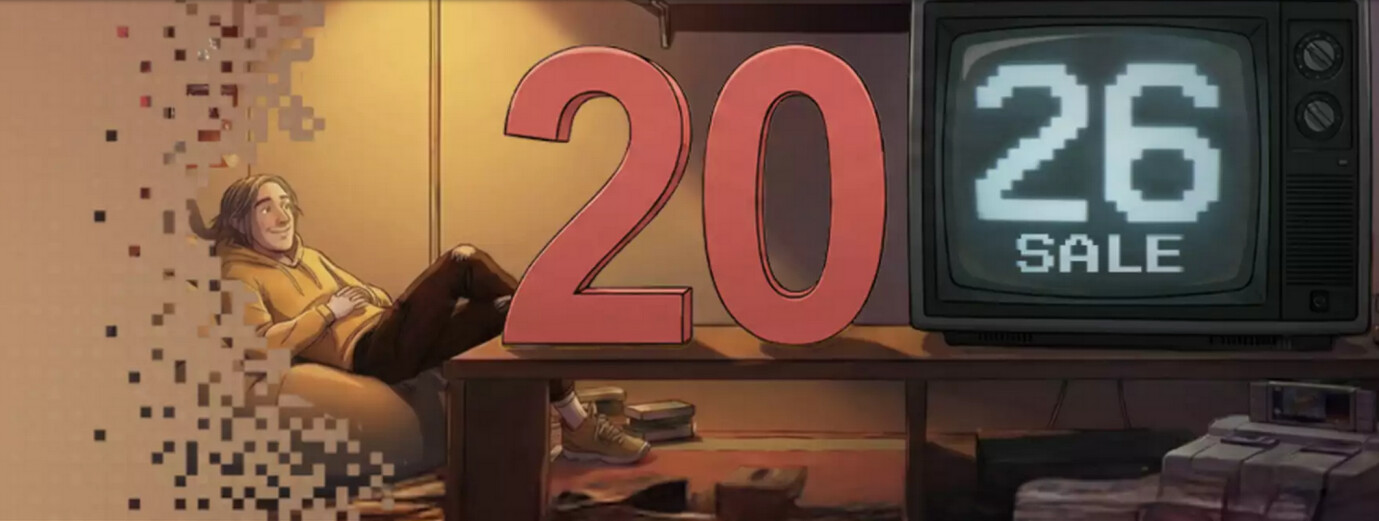
What makes this moment particularly revealing is the admission of internal dissent. The designer’s lengthy critique of AI’s pervasiveness—comparing today’s rushed digital outputs to the labor-intensive art of just five years ago—suggests even those tasked with implementing these tools harbor reservations. Whether this signals a shift in GOG’s approach or merely an isolated incident remains unclear, but the conversation it has sparked is unlikely to fade.
A Broader Industry Divide
The GOG controversy is part of a larger pattern in gaming, where AI adoption is accelerating despite lingering skepticism. Developers and artists continue to grapple with ethical questions: Does AI-assisted art undermine the value of human creativity? Can it ever replicate the emotional resonance of handcrafted work? These are not just theoretical concerns—they’re practical ones, with some studios now requiring disclosures when AI tools are used in game assets.
GOG’s use of AI in marketing, then, is less about innovation and more about a clash of philosophies. For a company that has long positioned itself as a champion of indie and classic titles, the move feels out of step. Yet, as the industry races to integrate AI into every workflow, the question is no longer whether it will be used—but how, and at what cost to the artistry that defines gaming.
For now, the debate rages on, with GOG’s sale banner serving as a microcosm of a much larger conversation about the future of creativity in gaming.