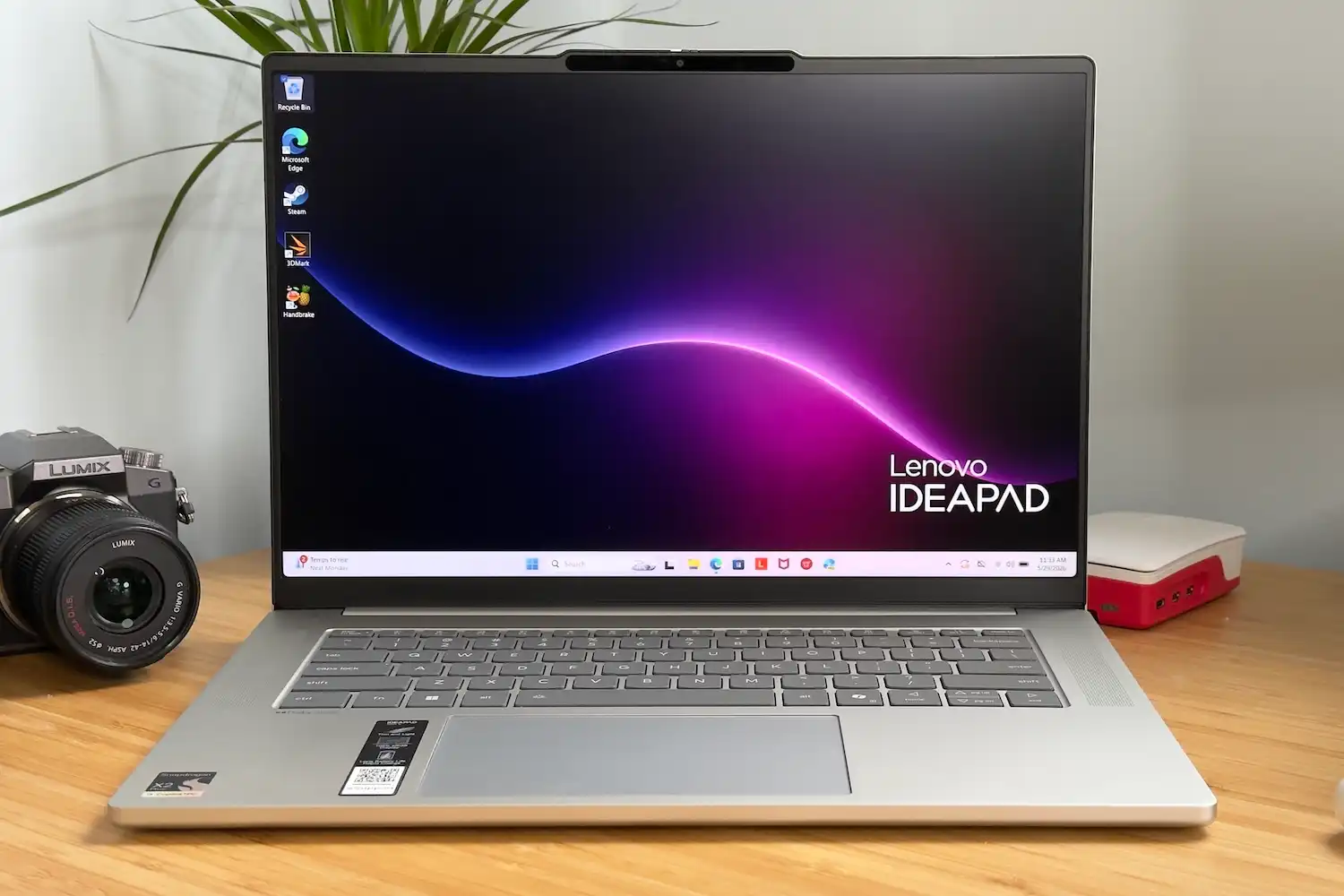
Intel’s next-generation Core Ultra 7 356H—a 16-core mobile processor built on the Panther Lake architecture—has surfaced in early benchmark leaks, offering a mixed performance picture ahead of its official launch. While the chip shows meaningful improvements in multicore workloads, its single-core efficiency remains flat, and its integrated graphics unit (Intel Graphics 4 Xe3) underperforms significantly against the outgoing Arc 140V in the Core Ultra 7 255H. The results suggest Intel’s latest mobile flagship may need discrete GPUs for serious gaming or creative workloads, especially as AMD’s Ryzen AI 400 APUs tighten their grip on integrated graphics performance.
The leaked benchmarks, unverified but consistent across multiple tests, highlight a Core Ultra 7 356H that excels in parallel processing but fails to push boundaries in single-threaded tasks. In Cinebench R23, the chip scores 20,721 points in multicore tests—roughly 1,000 points higher than the Core Ultra 7 255H—but its single-core score of 2,013 is nearly identical to the older model’s 2,060. This stagnation in single-core performance could limit its appeal in latency-sensitive applications, such as gaming or real-time editing.
The Spec Card: Core Ultra 7 356H at a Glance
- Architecture: Intel Panther Lake (16-core, 4 Performance + 12 Efficiency cores)
- iGPU: Intel Graphics 4 Xe3 (slower than Arc 140V in Core Ultra 7 255H)
- 3DMark Steel Nomad Light: 2,110 points (vs. 3,279–3,532 for Arc 140V)
- Cinebench R23 Multicore: 20,721 points (vs. ~18,679 for Core Ultra 7 255H)
- Cinebench R23 Single-Core: 2,013 points (vs. ~2,060 for Core Ultra 7 255H)
- Competitive Context: AMD’s Ryzen AI 400 APUs lead in integrated graphics performance
For gamers and creators relying on integrated graphics, the Core Ultra 7 356H’s iGPU performance is a major letdown. The Intel Graphics 4 Xe3 scores just 2,110 points in 3DMark Steel Nomad Light, roughly 38–40% slower than the Arc 140V in the outgoing Core Ultra 7 255H. This gap underscores Intel’s shift away from high-end integrated graphics in its latest mobile lineup, potentially forcing users toward discrete GPUs like the RTX 5090 or Radeon RX 9070 for smooth 1080p and 4K performance.
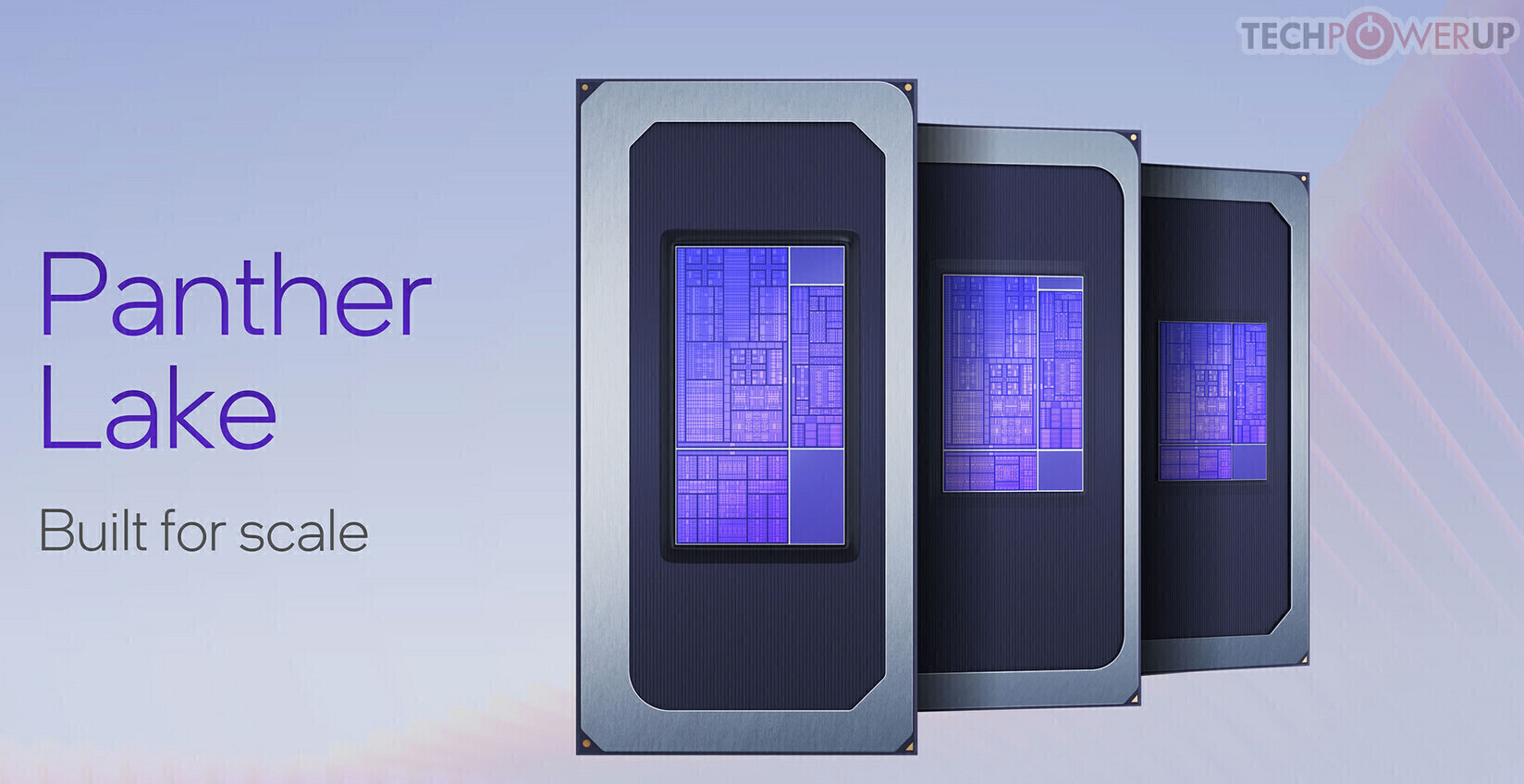
The Core Ultra 7 356H’s strength lies in its multicore prowess, which could benefit professionals running demanding workloads like video rendering, AI inference, or multitasking-heavy applications. However, the lack of single-core improvements means it won’t outpace the Core Ultra 7 255H in games or apps optimized for single-threaded performance. Meanwhile, AMD’s Ryzen AI 400 APUs continue to set the bar for integrated graphics, offering better efficiency and raw performance—putting pressure on Intel to refine its iGPU strategy or double down on hybrid configurations pairing its CPUs with high-end discrete GPUs.
While the Core Ultra 7 356H may not revolutionize single-core or iGPU performance, its multicore gains position it as a viable option for power users. However, those seeking a balanced chip for gaming or light content creation might still prefer AMD’s offerings—or Intel’s own Core Ultra 3 Core variants, which prioritize efficiency over raw core count. Official benchmarks and reviews are expected soon, but the early data suggests this is a chip built for workloads, not just gaming.