Few games have endured as both a critical darling and a technical curiosity as Gothic 1. Released in 2001, it was a game of contradictions: a sprawling, emergent world that felt alive, yet one plagued by underdeveloped mechanics and a story that fizzled in its latter stages. For years, players have clamored for a remake, not just to polish the rough edges, but to unlock the full potential of its vision—a world where choices mattered, where NPCs lived beyond scripted moments, and where exploration wasn’t just a means to an end.
Now, that vision is finally taking shape. The Gothic 1 remake, developed by Alkimia Interactive, lands on June 5, promising to address the original’s most glaring flaws while expanding its scope in ways even its creators might not have imagined.
At its core, the remake isn’t just a graphical overhaul. It’s a reimagining of Gothic 1’s identity, built on feedback from a 2023 demo that sparked both excitement and skepticism. The studio has taken that feedback—and the original’s limitations—and turned it into a blueprint for what could become a defining example of how remakes should be handled.
Key changes in the remake
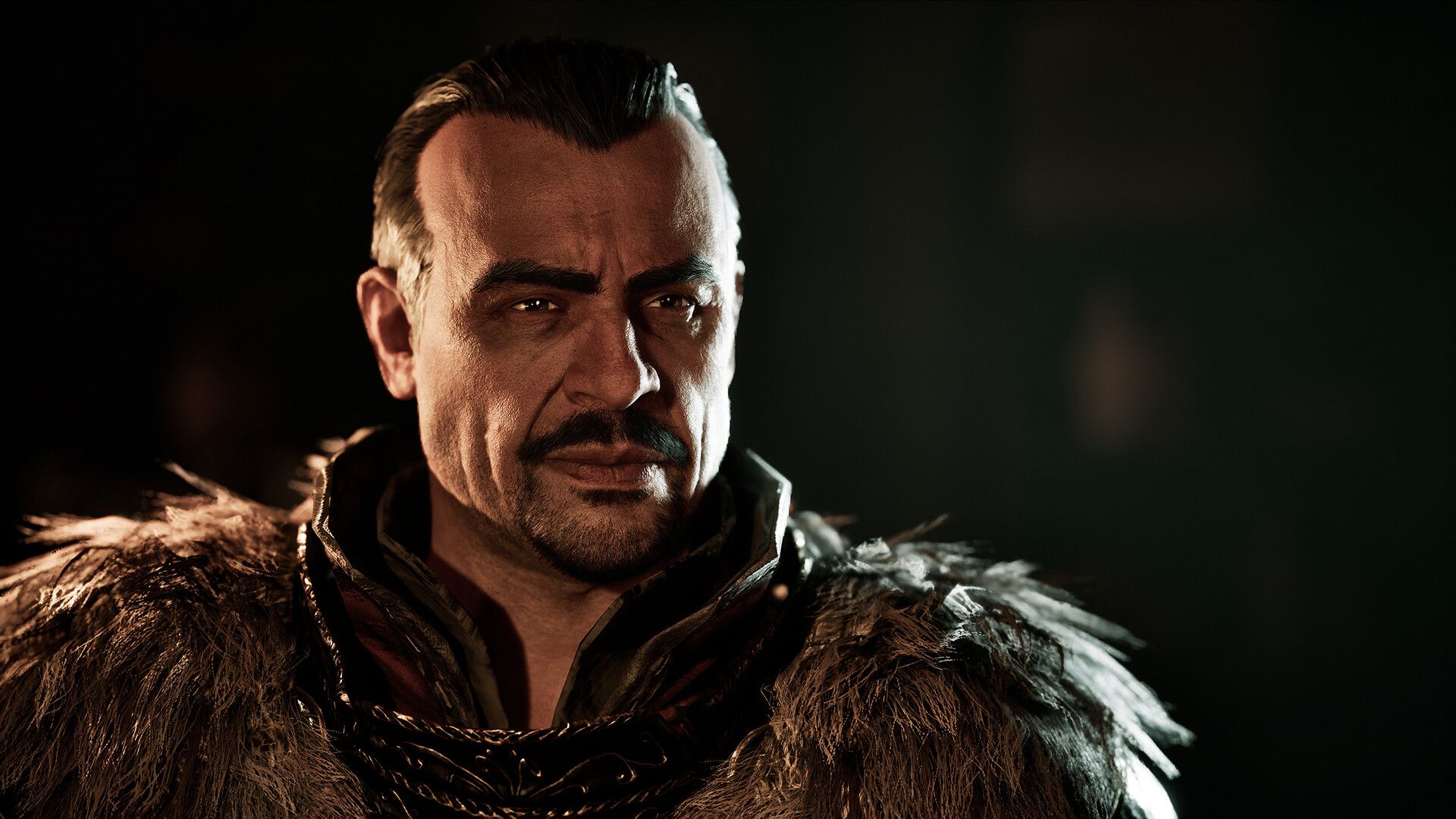
- A fully overhauled final act, with expanded locations, new side quests, and deeper narrative threads for the game’s orcs, including an entirely new orcish language to enhance immersion.
- Dynamic quest systems where player actions ripple through the world, altering NPC routines and even triggering spontaneous events.
- Restored and enhanced ambient wildlife with natural behaviors, a feature that was groundbreaking for its time but has been refined for modern expectations.
- Improved accessibility options, including modern controls and UI adjustments, ensuring the remake is as welcoming to new players as it is to veterans.
- A visual and technical upgrade that preserves the original’s gothic aesthetic while delivering smoother performance and higher-resolution assets.
The remake’s arrival also forces a reckoning with Gothic’s past. The original studio, Piranha Bytes, was shuttered by Embracer Group—the same company now publishing the remake—while its founder, Matthias Filler, moved on to Pithead Studio, where he’s crafting a new dungeon crawler. This raises intriguing questions: Can a remake truly honor the spirit of its predecessor when the original team is no longer involved? And how does Alkimia Interactive balance ambition with the risk of repeating the original’s pitfalls?
Early indications suggest the studio is walking a fine line. The demo’s reception was polarizing, with praise for its depth offset by criticism over execution. Yet, the final product appears to take those lessons to heart. By focusing on the areas where Gothic 1 was most criticized—its late-game content and emergent systems—the remake isn’t just polishing a classic; it’s attempting to fulfill the promise of what the original could have been.
The impact of this remake extends beyond Gothic itself. In an era where remasters and remakes are increasingly common, the Gothic 1 project sets a precedent for how legacy titles can be reimagined without losing their soul. If successful, it could inspire other studios to take similar risks—expanding on a game’s potential rather than merely repackaging it.
For fans, the stakes are personal. Gothic 1 isn’t just a game; it’s a piece of interactive history. Its remake isn’t just about playing the past—it’s about shaping the future of how we revisit it.