Apple is undergoing a quiet but significant leadership shift that could reshape its approach to artificial intelligence within its own operations. While Tim Cook remains a prominent figure at the company, the focus is now turning toward John Ternus, who is doubling down on AI as a cornerstone of Apple’s internal processes. This transition suggests a deeper integration of AI into how Apple builds products and manages its workforce, potentially setting new benchmarks for efficiency in the tech industry.
The move comes at a time when AI adoption has become a critical differentiator for companies seeking to streamline operations while maintaining innovation. For Apple, this shift is particularly noteworthy given its reputation for precision engineering and meticulous workflows. By embedding AI more deeply into its internal systems, Apple may be aiming to replicate the same level of sophistication it brings to consumer products—this time, in its own development cycles.
One of the key implications of this focus on AI is a potential rebalancing of priorities within Apple’s ecosystem. Historically, the company has excelled at optimizing hardware and software for performance, but the introduction of AI into internal workflows could further enhance its ability to iterate rapidly while maintaining quality. This could be particularly relevant for enterprise customers, who often prioritize both innovation and reliability in their technology partners.
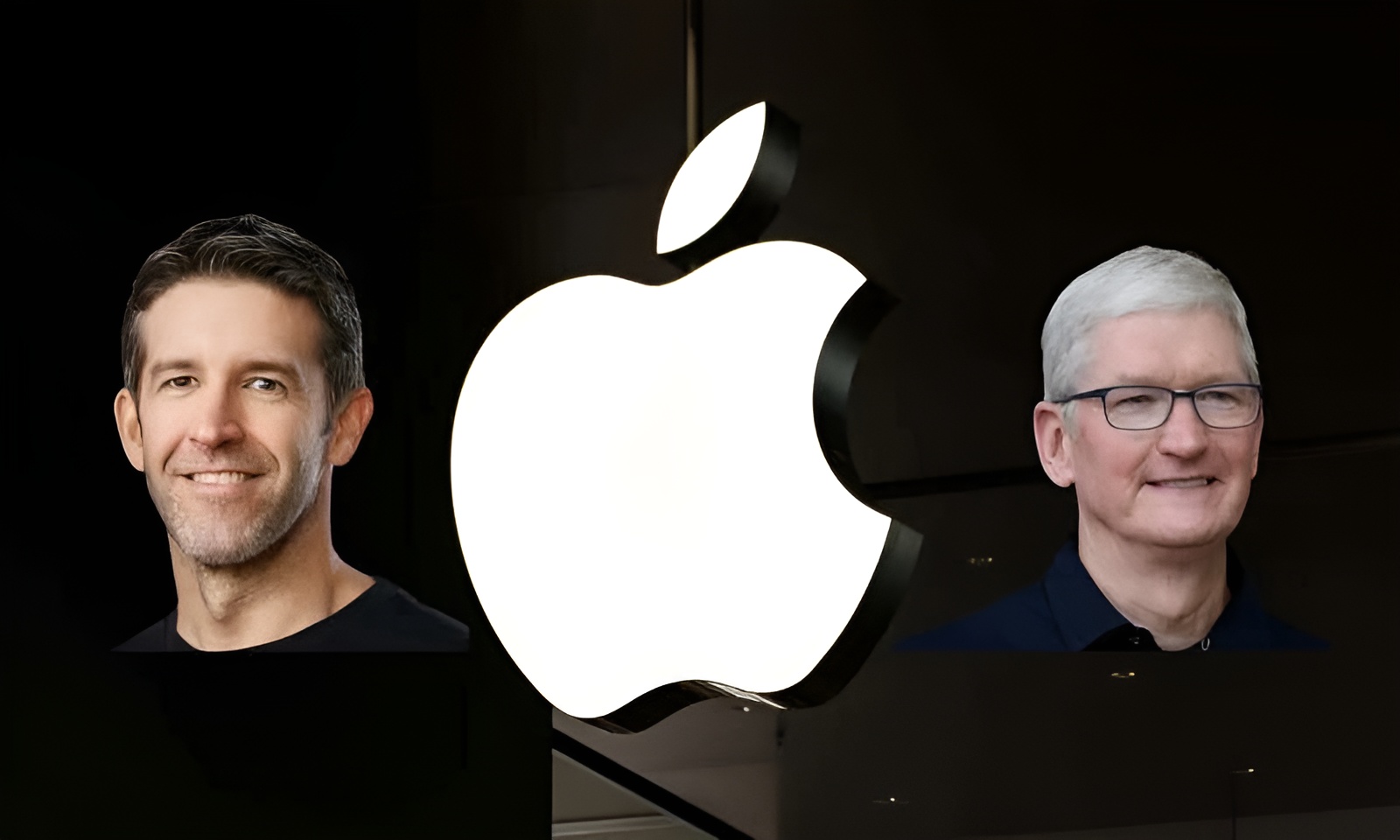
While details on how this transition will unfold remain limited, the emphasis on AI suggests that Apple is looking to leverage advanced tools not just for product development but also for operational efficiency. This aligns with broader industry trends, where companies are increasingly turning to AI to automate routine tasks, improve decision-making, and reduce overhead. For Apple, such a shift could mean more efficient project management, faster prototyping, or even smarter resource allocation—all of which could translate into better products for end users.
- Apple is intensifying its use of AI in internal workflows under John Ternus’ leadership.
- The focus on AI aims to enhance efficiency and innovation within the company’s development processes.
- This shift may have broader implications for how Apple approaches product design and operational management.
The transition also raises questions about how this will impact Apple’s long-standing culture of secrecy and control. While AI can bring speed and scalability, it also introduces new challenges in terms of data governance, security, and maintaining the company’s signature attention to detail. Balancing these factors will be crucial for Apple as it navigates this new phase.
For now, the broader tech industry is watching closely. Apple has always been at the forefront of innovation, but its ability to adapt internally—particularly in how it harnesses AI—could determine whether it remains a leader in both hardware and software for years to come. The stakes are high, but the potential rewards for enterprise buyers could be just as significant if Apple succeeds in translating its AI investments into tangible improvements across its product ecosystem.