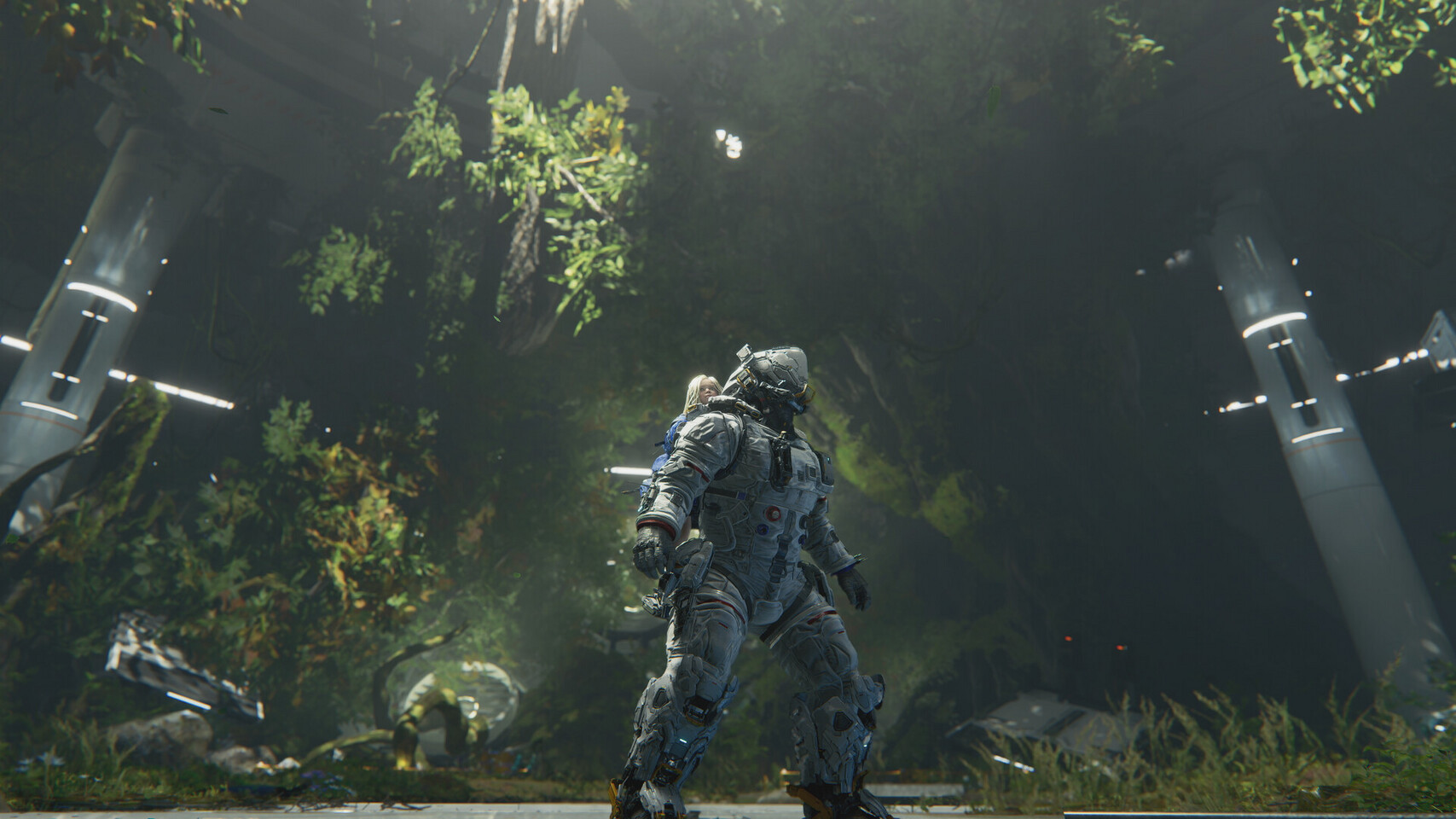
Few games arrive with as much skepticism as Highguard did. From its jarring reveal at The Game Awards to its launch-day player counts, the title has been framed as a cautionary tale—another failed genre mashup doomed by ambition. But the rush to condemn it ignores a critical question: What happens when the industry stops giving risky ideas a chance?
The game’s core premise—a hybrid of movement-focused shooters, looter mechanics, and team-based strategy—wasn’t just unfamiliar. It was actively mocked before players could experience it. Nearly 100,000 concurrent Steam users at launch suggests curiosity still exists, yet the game now sits at a **33% mostly negative** review score, a statistic that feels less like a reflection of quality and more like a mob mentality taking root.
This isn’t about whether Highguard is perfect. It’s about whether games like it should be allowed to exist at all.
Why the Backlash Feels Unfair
Highguard isn’t the first game to borrow from multiple genres, nor will it be the last. Yet while titles like *Marvel Rivals* and *Arc Raiders* faced criticism for their mechanics, they didn’t become symbols of gaming’s collective disdain for experimentation. The difference? Those games leaned into familiar frameworks. Highguard, by contrast, stitched together elements from *Titanfall*, *Destiny*, and *Overwatch*—and for that, it’s being punished.
The irony is that the game’s flaws—clunky transitions between modes, underwhelming loot systems—are exactly the kind of issues that could be fixed with time. But when a game is declared dead on arrival before its first patch, developers have little incentive to invest in salvation. Wildlight, the studio behind Highguard, has argued the game doesn’t need millions of players to succeed. That may be true, but it doesn’t change the fact that premature dismissal kills momentum before it starts.
What’s Really at Stake
The broader issue isn’t Highguard’s quality—it’s the culture that rewards safe bets and punishes innovation. Developers today face an uphill battle just to get a game noticed, let alone defended. When a project like Highguard is review-bombed for daring to exist, it sends a message: Don’t take risks. The result? Fewer genre-blending experiments, fewer surprises, and a market that increasingly resembles a carbon copy of what came before.
Even if Highguard never becomes a masterpiece, its existence matters. It’s a reminder that games don’t have to fit neatly into a box. And if the industry wants the next *Titanfall* or *Destiny*, it needs to stop strangling the very ideas that could make them possible.
What Comes Next?
Highguard’s future depends on whether players and critics can separate the game’s current state from its potential. The developer has hinted at post-launch improvements—larger teams, refined looting, deeper gameplay tweaks—but those updates won’t matter if the community has already decided the experiment was a failure.
For now, the game remains a test case. Will gamers give it a chance, or will Highguard become another cautionary tale about the dangers of thinking outside the box?