The landscape of GPU manufacturing is shifting, and NVIDIA’s RTX 50 series—including the RTX 5070, RTX 5060, and the high-end RTX 5090—is at the center of these changes. These GPUs are not only delivering advanced capabilities but also drawing significant attention from the supply chain, particularly in memory and CPU production.
One key development is the increasing demand for high-capacity DRAM and NAND Flash, critical components for both GPUs and notebooks. As NVIDIA ramps up production of its latest GPUs, which feature advanced architectures like RDNA and Zen, the strain on these memory modules has intensified. This shift is not isolated to GPUs; it’s also affecting the broader market for CPUs and SSDs, where supply stability has become a growing concern.
Supply Chain Dynamics: A New Era of Constraints
The RTX 50 series, built on cutting-edge processes like 2 nm and 3 nm nodes, represents a leap in performance but also in manufacturing complexity. These GPUs require specialized memory solutions, including 16 GB modules with 384-bit memory buses, which are pushing the limits of current supply chains. As a result, prices for these components have surged, creating a domino effect that could influence the cost and availability of mainstream notebooks.
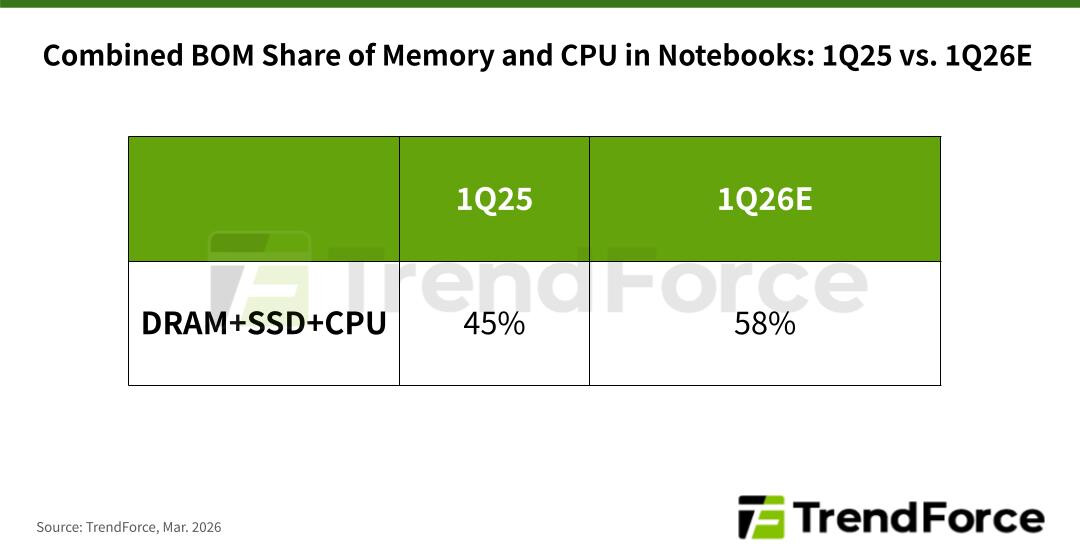
Industry observers note that the impact isn’t limited to GPUs alone. The same memory modules used in high-end GPUs are also essential for notebooks, where demand for faster, more capable systems continues to grow. This dual pressure—rising costs and tightening supply—is forcing manufacturers to rethink their procurement strategies. For example, a mainstream notebook with an original MSRP of $900 could see its price rise by nearly 40% if current trends persist, simply to maintain existing profit margins.
Implications for the Market
The implications of these supply chain shifts extend beyond pricing. Availability has become a critical factor, particularly for CPUs. As AI-related workloads dominate advanced process and packaging capacity, lower-end CPU platforms—including those used in notebooks—are facing tighter supply conditions. This is not just an Intel concern; AMD’s growing market share in the notebook space means that even its entry-level platforms are feeling the strain.
For enterprises and consumers alike, this means a more complex landscape to navigate. Tier-one brands with long-term partnerships and larger procurement scales may weather these challenges better, securing stable allocations and favorable pricing. However, smaller manufacturers and retailers could face greater cost pressures and shipment risks as both memory and CPU supplies tighten simultaneously.
Looking ahead, the interplay between NVIDIA’s RTX 50 series, memory supply conditions, and CPU pricing strategies will likely shape the competitive dynamics in the notebook market. While these changes present challenges, they also highlight the need for agility in procurement and collaboration across the supply chain to ensure stability and innovation continue to advance.