Hyundai Motor Group and Kia Corporation are deepening their collaboration with NVIDIA, marking a significant shift from autonomous driving software development to large-scale hardware deployment. This strategic pivot positions the partnership as a major player in the race toward Level 4 autonomy, though critical aspects such as pricing, supply chain logistics, and real-world availability remain unresolved.
The new phase of the partnership will center on NVIDIA’s DRIVE platform, including the DRIVE Thor supercomputer, which combines AI processing with real-time sensor fusion. Hyundai’s global autonomous vehicle fleet will leverage this architecture, though specific model integrations or regional rollout plans have not been disclosed. This represents a departure from earlier collaborations that were primarily software-focused, indicating a broader commitment to hardware infrastructure.
Hardware Acceleration and Industry Implications
The focus on edge computing for autonomous systems underscores the growing importance of compute power in self-driving technology. NVIDIA’s DRIVE architecture is known for its ability to handle complex AI workloads while maintaining real-time performance, a critical requirement for Level 4 autonomy. However, the partnership’s success will depend on Hyundai’s ability to scale production without disrupting its existing electric vehicle supply chains—a challenge that has plagued other automakers entering this space.

- NVIDIA’s DRIVE platform (including DRIVE Thor) will power Hyundai’s autonomous vehicle roadmap, though no specific models or regions have been confirmed.
- The partnership suggests a global deployment strategy, but details on pricing and supply chain commitments remain undisclosed.
Industry observers point out that while the technical foundation is strong, the partnership faces significant hurdles. One major uncertainty is how NVIDIA will allocate its DRIVE platform resources among multiple automotive partners, given the high demand for this hardware. Additionally, Hyundai’s ability to integrate these systems without overburdening its production lines will be a key determinant of success.
Market Dynamics and Competition
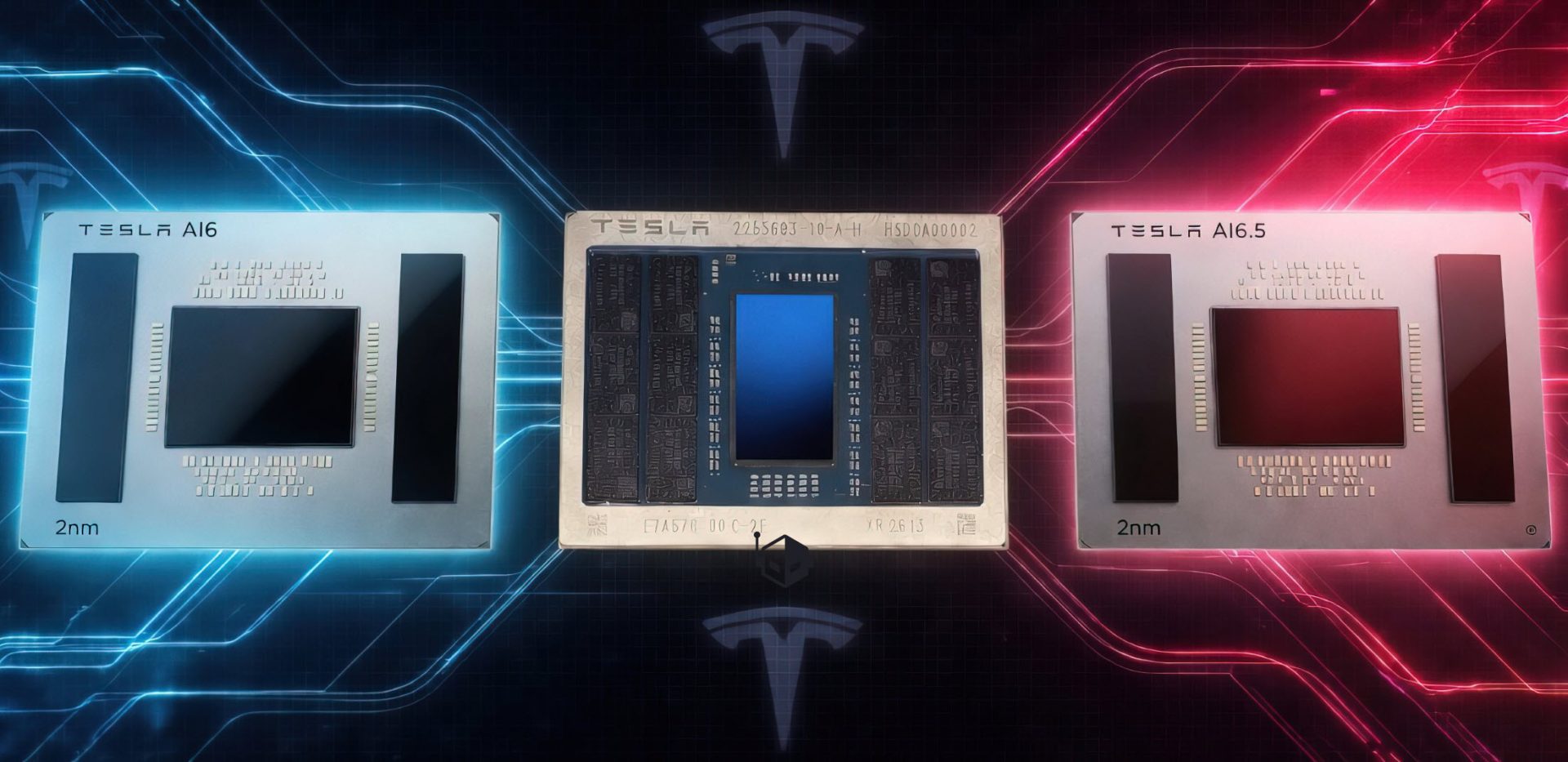
The move comes at a time when automakers are intensifying their efforts to secure compute resources for autonomous driving. Competitors such as Tesla and Waymo have also invested heavily in both in-house and third-party solutions, creating a highly competitive environment. Hyundai’s alignment with NVIDIA suggests it is positioning itself not only on software innovation but also on hardware infrastructure—a dual approach that could redefine the market if executed effectively.
For now, the emphasis remains on engineering validation rather than consumer-facing announcements. If the partnership meets its goals, it could significantly influence the trajectory of autonomous driving technology. However, addressing supply chain challenges and pricing uncertainties in the near term will be essential to realizing this potential.