Hyundai Motor Group and NVIDIA are strengthening their partnership to accelerate the development of next-generation autonomous driving technology. The move aims to bring advanced AI-driven self-driving capabilities to Hyundai and Kia vehicles by integrating NVIDIA’s DRIVE platform with Hyundai’s existing systems, marking a significant step toward widespread adoption in consumer markets.
The collaboration will prioritize two key areas: hardware infrastructure for large-scale AI training and real-world testing of autonomous driving features. NVIDIA’s AI platforms will serve as the backbone for Hyundai’s global autonomous driving initiatives, ensuring compatibility with the company’s long-term roadmap for Level 2+ autonomy in passenger vehicles.
- Hyundai and Kia will deploy NVIDIA’s DRIVE platform across their development pipelines, including AI training clusters and simulation environments.
- The partnership includes access to NVIDIA’s latest AI models optimized for autonomous driving, such as the DRIVE Hyperion 8 and DRIVE Thor software stacks.
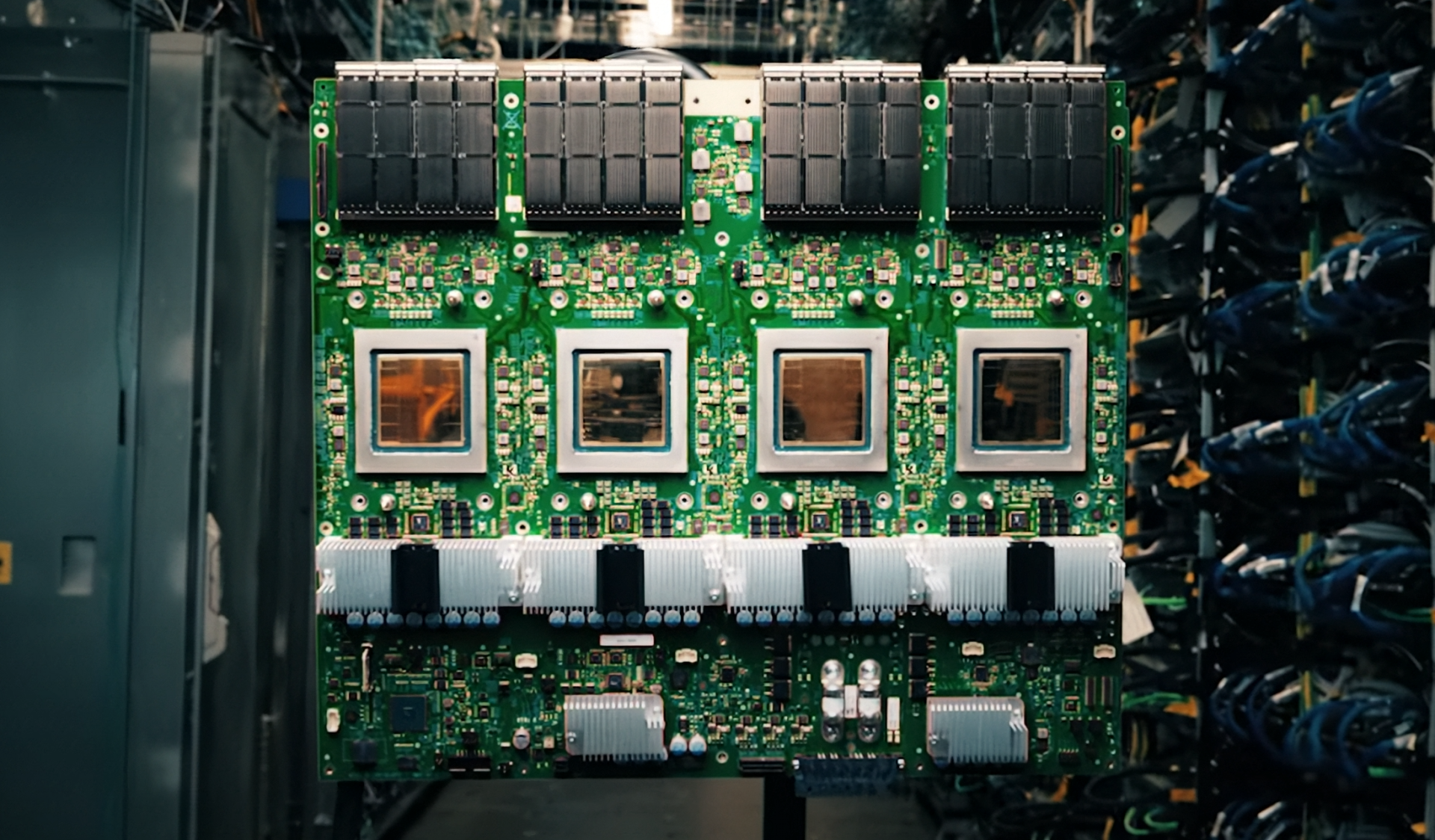
- Hyundai will integrate NVIDIA’s hardware accelerators (e.g., A100 GPUs) into its data centers for large-scale model training, reducing development time by leveraging scalable AI infrastructure.
- Real-world testing will focus on high-autonomy scenarios, including highway driving and urban navigation, with an emphasis on safety validation before commercial rollout.
The alliance builds on Hyundai’s existing investments in autonomous technology, particularly its Torc Robotics acquisition and DRIVE PX platform integration. While details on exact deployment timelines remain under wraps, industry sources suggest the first commercially available features could emerge within three years, depending on regulatory approvals. The partnership also hints at broader implications for the automotive AI market, where NVIDIA’s dominance in GPU-based solutions could reshape competition among automakers.
For Hyundai and Kia, this collaboration represents a strategic pivot from incremental improvements to full-stack autonomy, addressing both technical challenges (e.g., sensor fusion, AI model scalability) and market constraints (cost, regulatory hurdles). NVIDIA’s role as the enabler—providing not just software but also the hardware ecosystem—positions it as a critical partner in Hyundai’s vision for autonomous driving. The next phase will likely focus on validating these systems at scale, though whether they’ll reach Level 4 autonomy remains an open question.