A promising indie voxel sandbox game, Allumeria, was pulled from Steam just two weeks after its debut in Valve’s Steam Next Fest. The removal followed a DMCA takedown from Microsoft, which accused the game of infringing on Minecraft’s copyright—despite Allumeria being a distinct project with its own art style and mechanics.
The developer, Unomelon, confirmed the takedown in a Discord post, describing the situation as an unexpected blow. Valve’s automated system complied with the claim, removing the game without immediate human review. The takedown notice cited similarities in gameplay and voxel-based assets, though Allumeria’s design diverges significantly from Minecraft’s visual and functional approach.
Industry observers speculate the takedown may stem from an automated flagging system, such as Tracer.AI, which could have misidentified Allumeria’s voxel aesthetic as copyrighted content. The developer now faces a 10-day window to file a counter-notice, after which the game may be reinstated unless Microsoft initiates legal action.
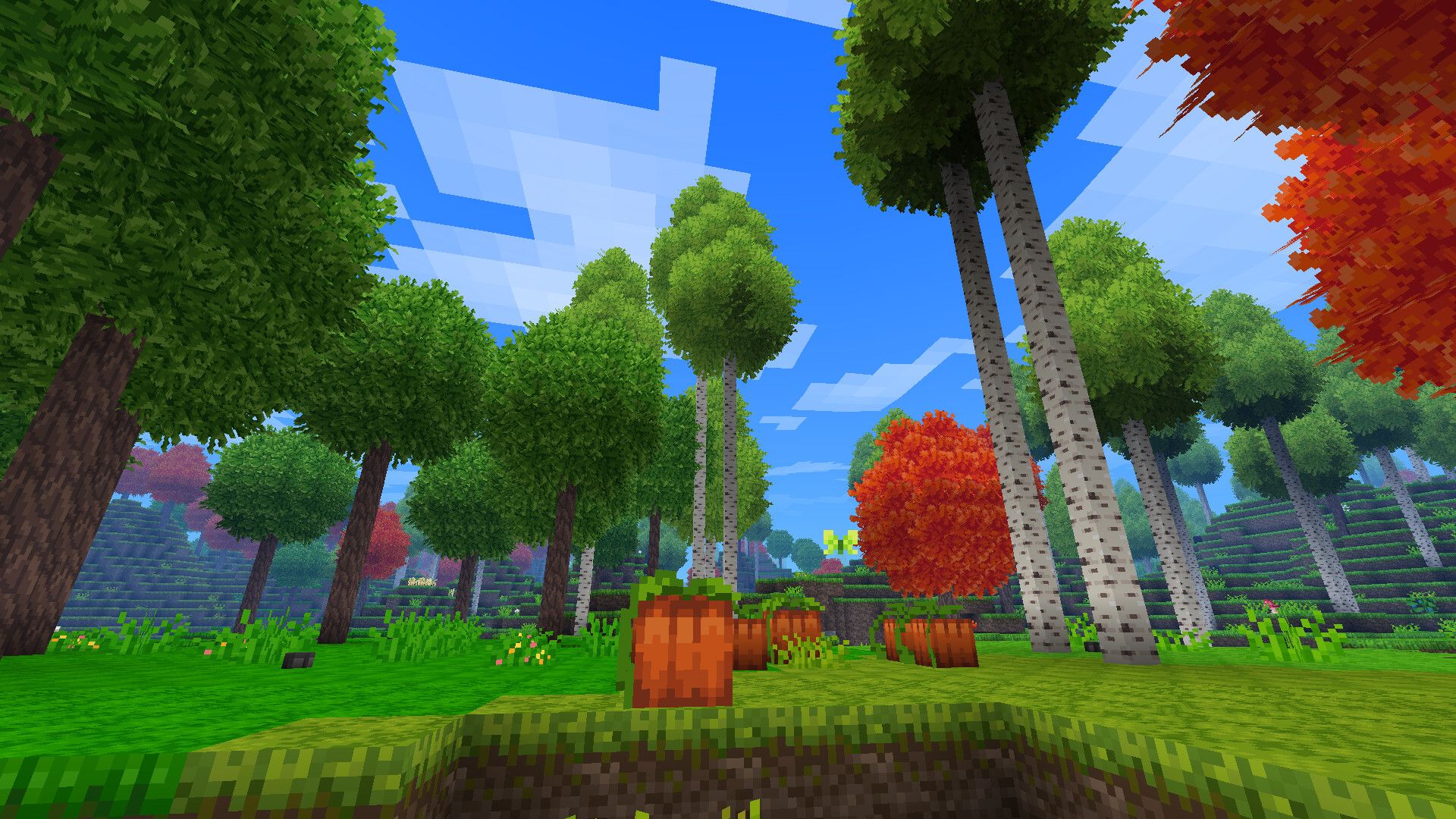
Allumeria’s removal contrasts with other voxel games like Hytale, which launched to acclaim without similar legal scrutiny. The situation highlights broader tensions in indie game development, where creative inspiration often blurs into copyright concerns—especially when automated systems lack nuanced judgment.
- Game: Allumeria (voxel sandbox, lo-fi aesthetic)
- Developer: Unomelon
- Platform: Steam (removed after Steam Next Fest)
- Claim: Microsoft alleges copyright infringement of Minecraft assets
- Next steps: Developer must file counter-notice; game could return if no legal response within 10 days
The case underscores how indie creators navigate legal risks when borrowing from established genres. While Allumeria’s fate remains uncertain, the incident serves as a reminder of the challenges faced by small studios in an era where automated enforcement often precedes human review.