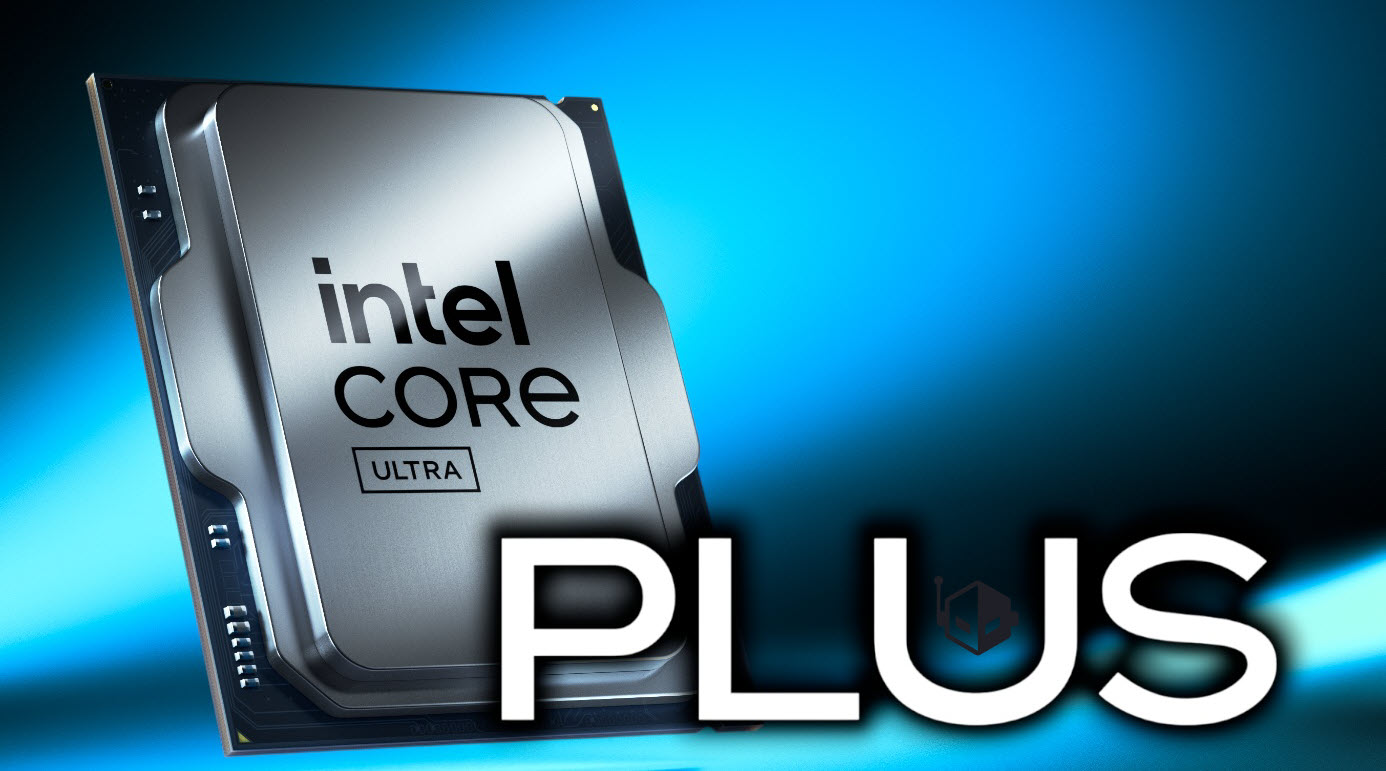
Intel’s Arrow Lake Refresh CPUs are poised to break their silence next month, but not all chips will make the cut. While the Core Ultra 7 270K Plus and Core Ultra 5 250K/KF variants will officially debut in reviews on March 23, the Core Ultra 9 290K Plus—once touted as the refresh’s flagship—has reportedly been canceled. This leaves the lineup with three confirmed SKUs, each targeting different performance tiers and price points.
The disappearance of the 290K Plus isn’t entirely surprising. Earlier leaks suggested Intel might be consolidating its lineup to focus on chips that deliver stronger value against AMD’s Ryzen 9 9950X3D, which remains a favorite for gamers and content creators. The 285K, already a high-end option, could now serve as the de facto top-tier model, while the refresh prioritizes efficiency and cost-effectiveness.
Key specs: Arrow Lake Refresh’s confirmed lineup
- Core Ultra 7 270K Plus: Aimed at mid-range enthusiasts, balancing performance and power efficiency.
- Core Ultra 5 250K: Targets mainstream users with a focus on productivity and battery life.
- Core Ultra 5 250KF: A variant with integrated graphics, ideal for budget builds or systems without dedicated GPUs.
The absence of the 290K Plus may also reflect Intel’s strategy to avoid direct competition with its own Core Ultra 9 285K, which still holds strong in benchmarks. With motherboard manufacturers like ASUS already updating 800-series chipsets to support Arrow Lake Refresh, the stage is set for a late-Q1 launch—though retail availability remains unconfirmed.
What this means for buyers
For gamers and creators, the refresh brings incremental upgrades over the original Arrow Lake lineup, with a sharper focus on performance-per-watt rather than raw clock speeds. The Core Ultra 200 series remains the benchmark, but the refresh could close the gap with AMD’s Ryzen 9000 chips, particularly in multi-threaded workloads. Intel’s next move—Nova Lake later this year—will be critical in reclaiming market share, especially if it delivers on promises of better efficiency and integration.
The March 23 review embargo lift marks the first official glimpse into how these chips perform in real-world tests. If the refresh delivers on efficiency and pricing, it could sway buyers away from AMD’s dominance—but only if Intel avoids repeating past missteps in launch timing and availability.