Gaming handhelds are getting a significant upgrade under the hood with Intel’s new Arc G3 processor series. Designed specifically for portable gaming devices, this line of system-on-chips (SoCs) balances CPU and GPU performance while prioritizing power efficiency—a critical factor for handhelds where battery life directly impacts playtime.
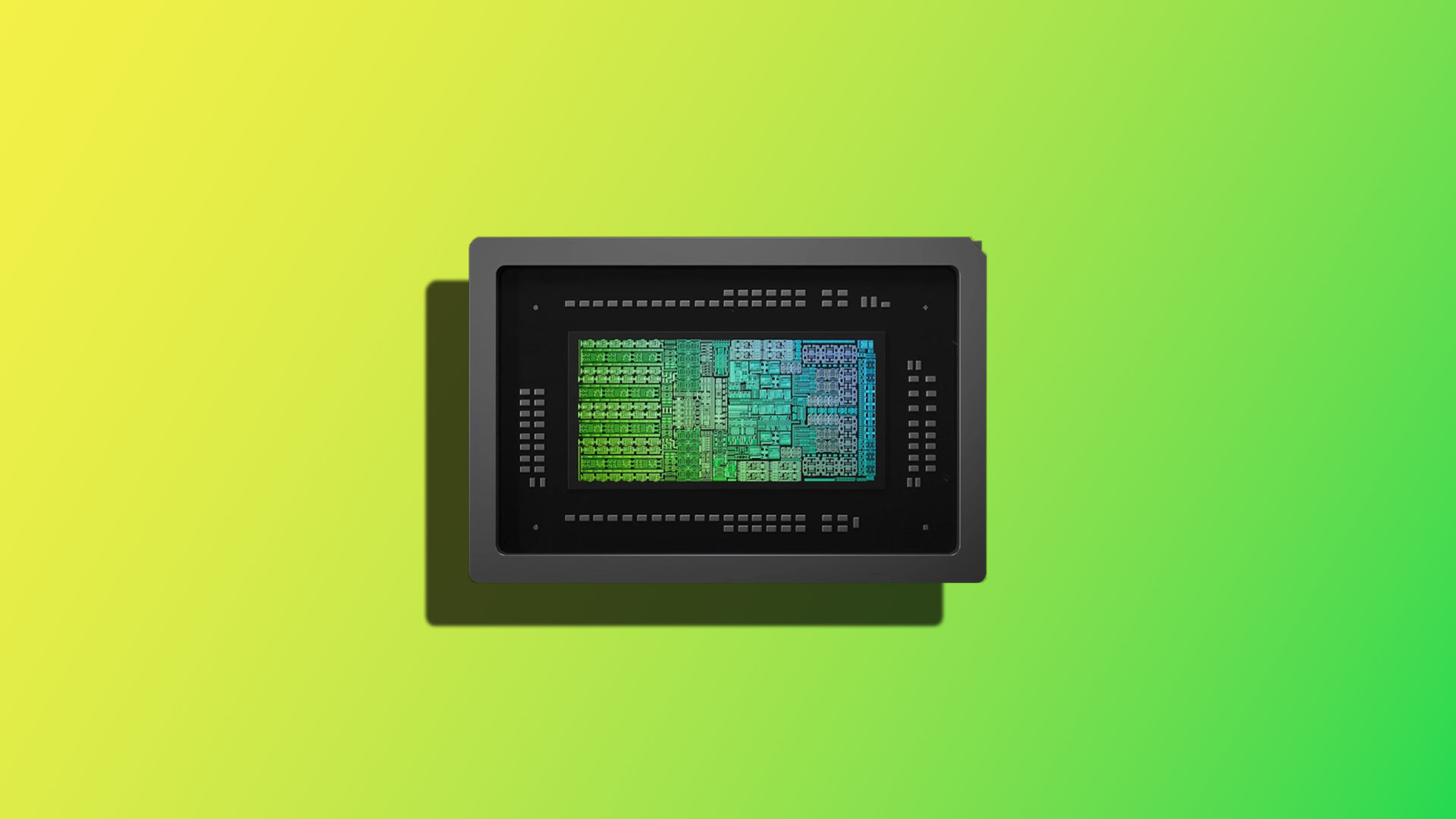
The Arc G3 is built around Intel’s Panther Lake microarchitecture, combining compute tiles fabricated on the company’s 18A process node with a graphics tile using TSMC’s N3B (3 nm EUV) node. This hybrid approach allows for optimized performance while managing power consumption, a key consideration for handhelds that often operate under strict thermal and battery constraints.
Performance and Efficiency at the Core
The Arc G3 Extreme variant features a 2P+8E CPU configuration, where the two P-cores (based on Coyote Cove) each have 3 MB of L2 cache. The eight E-cores are organized into two clusters, each sharing 4 MB of L2 cache. Together, these cores share a 12 MB L3 cache. On the graphics side, the Arc G3 Extreme includes all 12 Xe3 cores from Intel’s Celestial architecture, delivering up to 96 XMX engines and 12 ray tracing units, backed by a substantial 16 MB L2 cache for the GPU.
- CPU Configuration: 2P+8E (Coyote Cove P-cores, Darkmont E-cores)
- GPU Cores: 12 Xe3 cores (Arc G3 Extreme) / 10 Xe3 cores (Arc G3)
- Cache: 12 MB L3 cache (shared), 16 MB GPU L2 cache
- Memory: LPDDR5X-8533 with 8 MB memory-side cache
- NPU: 45 TOPS for AI acceleration
- Connectivity: Thunderbolt 4, Wi-Fi 7
The Arc G3 also integrates a 45 TOPS neural processing unit (NPU) to handle local AI tasks, such as those required by Copilot+ features. This is paired with a memory controller supporting LPDDR5X-8533 RAM, buffered by an 8 MB memory-side cache to improve bandwidth efficiency.
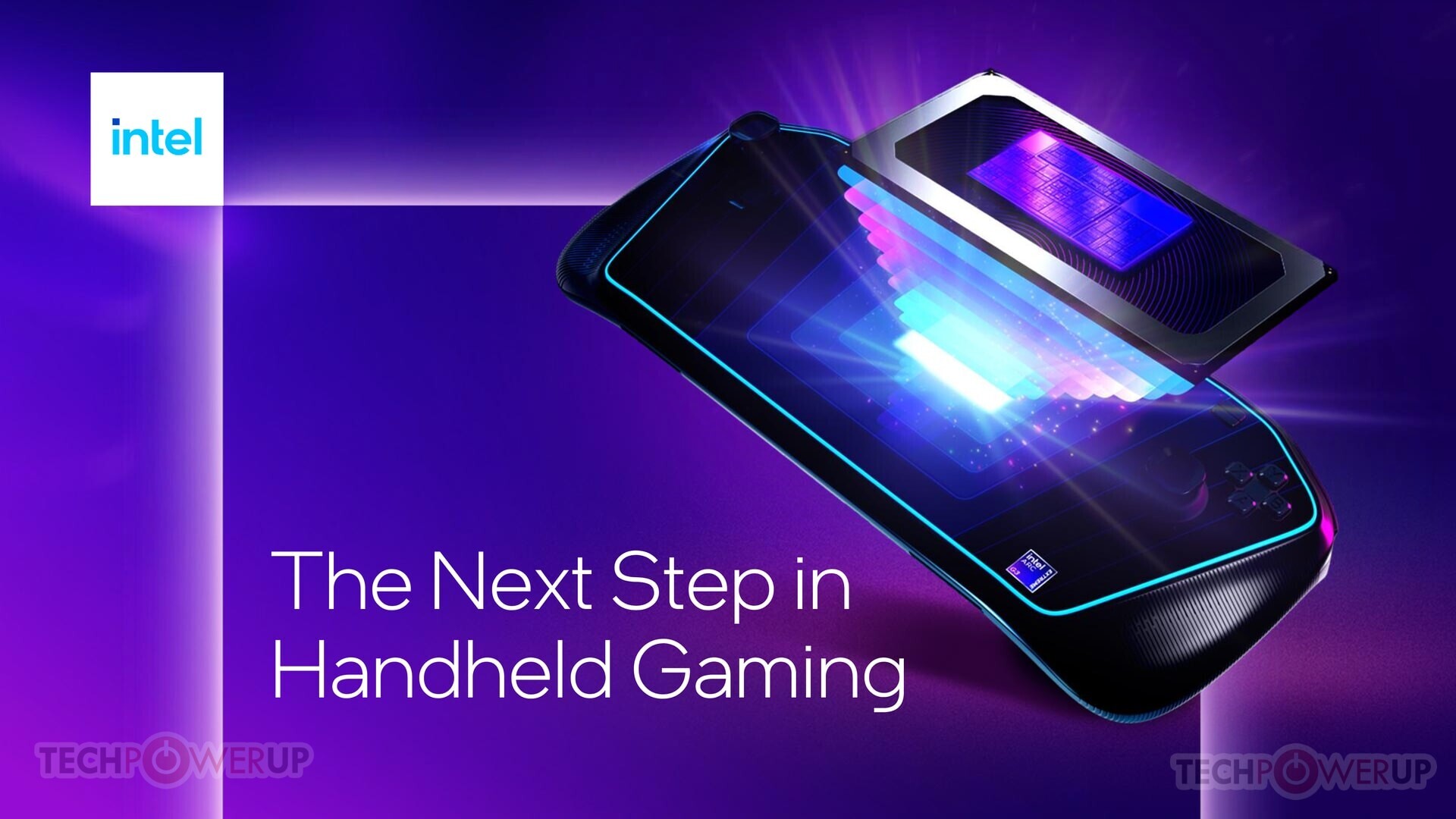
Intel claims the Arc G3 Extreme delivers up to 42% higher performance compared to AMD’s Ryzen Z2 Extreme, while achieving similar frame rates at half the power. This efficiency is crucial for handhelds, where sustained gameplay on battery power is a top priority. The SoC also supports features like XeSS 3 upscaling and frame generation, along with low-latency gaming optimizations, ensuring smooth performance even in demanding titles.
Who Benefits and When to Consider Upgrading
For enterprise buyers or OEMs looking to integrate a high-performance yet power-efficient SoC into handheld gaming devices, the Arc G3 offers a compelling package. Its focus on graphics performance, combined with AI acceleration and advanced connectivity like Thunderbolt 4 and Wi-Fi 7, positions it well for next-generation handheld consoles.
However, the decision to upgrade will depend heavily on workload requirements. Enthusiasts seeking maximum performance may find the Arc G3 Extreme’s full GPU configuration appealing, especially if battery life is not a primary concern. For more casual users or those prioritizing longer playtime, the standard Arc G3 with 10 Xe cores could strike a better balance between performance and efficiency.
Looking ahead, Intel’s co-engineering approach with OEMs suggests that devices built around the Arc G3 will likely see optimized battery life and thermal management, addressing one of the biggest challenges in handheld gaming. This could make it a strong contender for those eyeing future releases, particularly if the promised 11 hours of gameplay on battery power holds true in real-world testing.