Intel’s Core i9-273PQE ‘Bartlett Lake’ processor, designed exclusively for commercial and embedded systems, has successfully run Windows 11 on a consumer Z790 motherboard after a firmware modification. Unlike its predecessors, this CPU—built on Intel 7 with 12 performance cores and 24 threads—lacks efficiency cores, making it distinct from standard desktop chips.
The breakthrough came when a modder adjusted the motherboard’s initialization process to recognize the chip during boot. Previous attempts had stalled at POST due to missing BIOS support, but this adjustment allowed Windows to load without errors. While the CPU shares the same LGA 1700 socket as ‘Raptor Lake’ chips, its industrial focus means no official compatibility with Z790 chipsets.
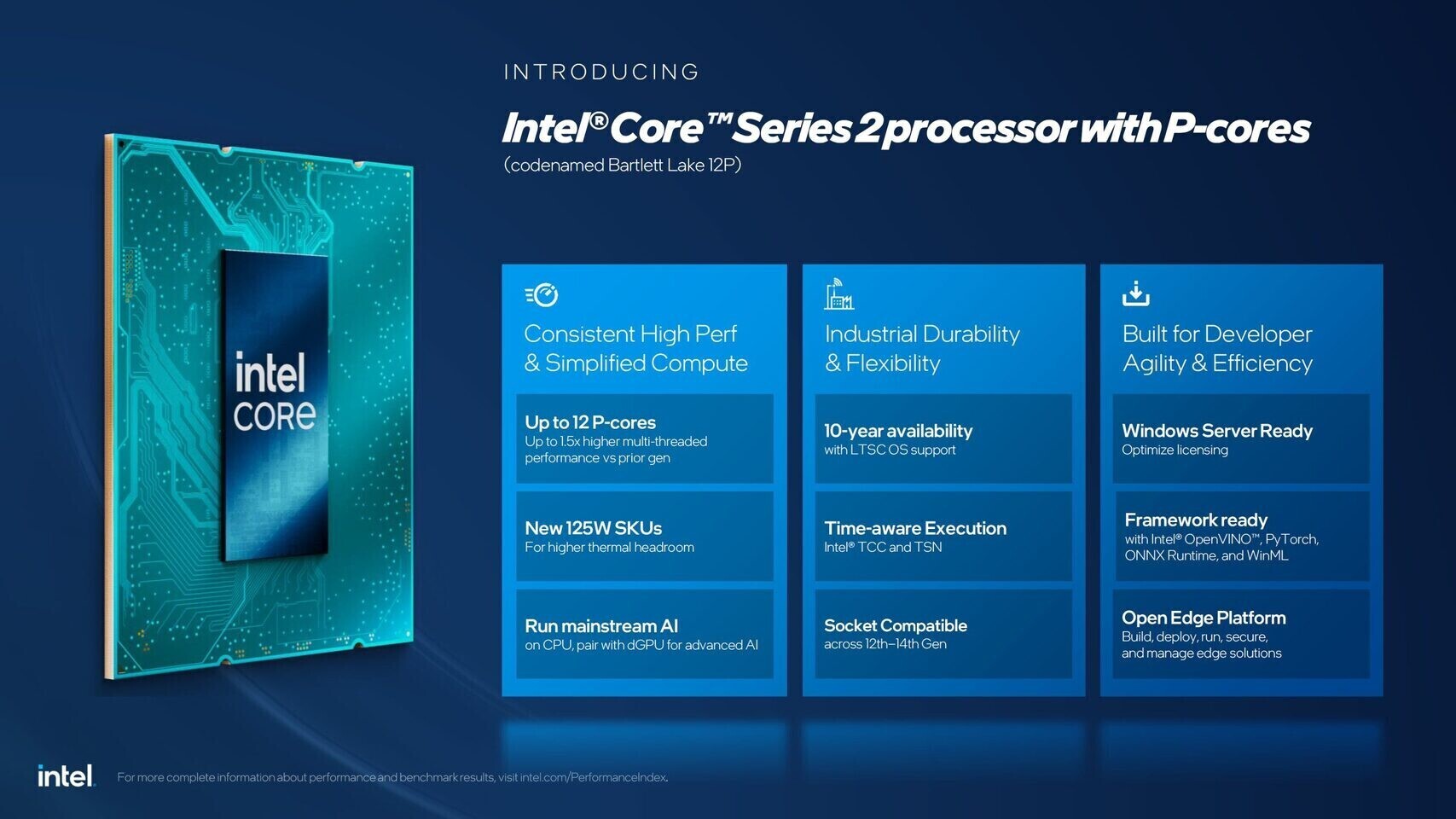
- Core i9-273PQE Specs:
- 12 performance cores (Raptor Cove)
- 24 threads
- Base clock: 3.5 GHz, Boost up to 5.8 GHz
- Intel 7 process node
- LGA 1700 socket (non-hybrid design)
The CPU’s pure performance-core architecture eliminates the need for Thread Director or Windows 11 optimizations, which could theoretically improve gaming performance compared to hybrid designs like the Core i9-13900K or upcoming Core i9-14900K. However, this setup remains experimental—no official support exists, and future BIOS updates could disrupt compatibility.
The success suggests the core barrier was firmware-based rather than hardware. While the CPU’s industrial origins limit its practical use (e.g., no DDR5 overclocking on supported chipsets), its ability to run on consumer boards raises questions about Intel’s long-term roadmap for performance chips, particularly as it shifts toward unified-core designs in future generations.