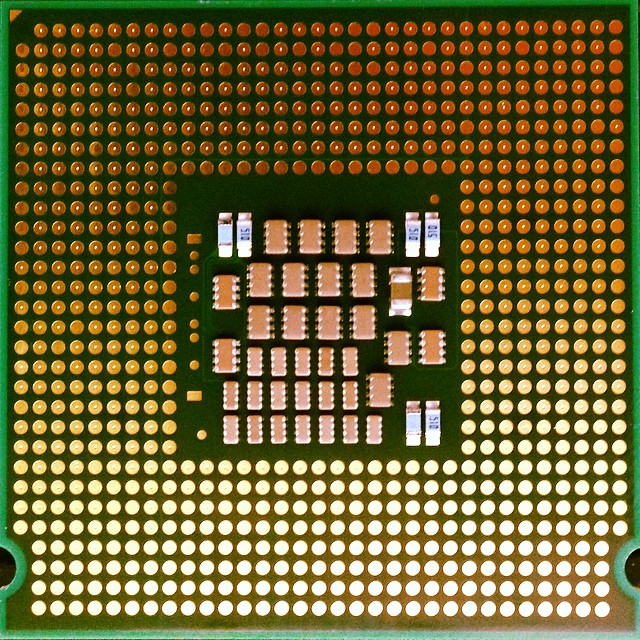
Small businesses upgrading workstations may soon face a new layer of uncertainty: Intel’s reported practice of selling chips originally intended for scrap or low-performance bins. This approach, if confirmed, could widen the gap between advertised specs and real-world value, making long-term compatibility a riskier bet.
The development comes as CPU price hikes remain a sore point in enterprise budgets. While Intel has not officially acknowledged this strategy, industry insiders suggest it’s part of a broader effort to squeeze more revenue from every silicon die—even those that wouldn’t normally meet high-end benchmarks.
Key Specs and What Changed
- Model: Unnamed Intel CPUs (reportedly including 13th-gen 'Raptor Lake' variants)
- Performance Tier: Mid-range to high-end (but with down-binned clocks, cache, or I/O limits)
- Price Impact: Up to 20% below standard SKUs for similar core counts
- Target Market: Small businesses, budget-conscious workstations
The reported shift involves repackaging chips that didn’t pass Intel’s internal benchmarks—due to manufacturing defects or design tradeoffs—as retail parts. These could include 13th-gen 'Raptor Lake' CPUs with slightly lower clock speeds, reduced cache, or limited PCIe lanes compared to their officially listed counterparts.
Why It Matters for Buyers
For small businesses, this strategy introduces two key risks
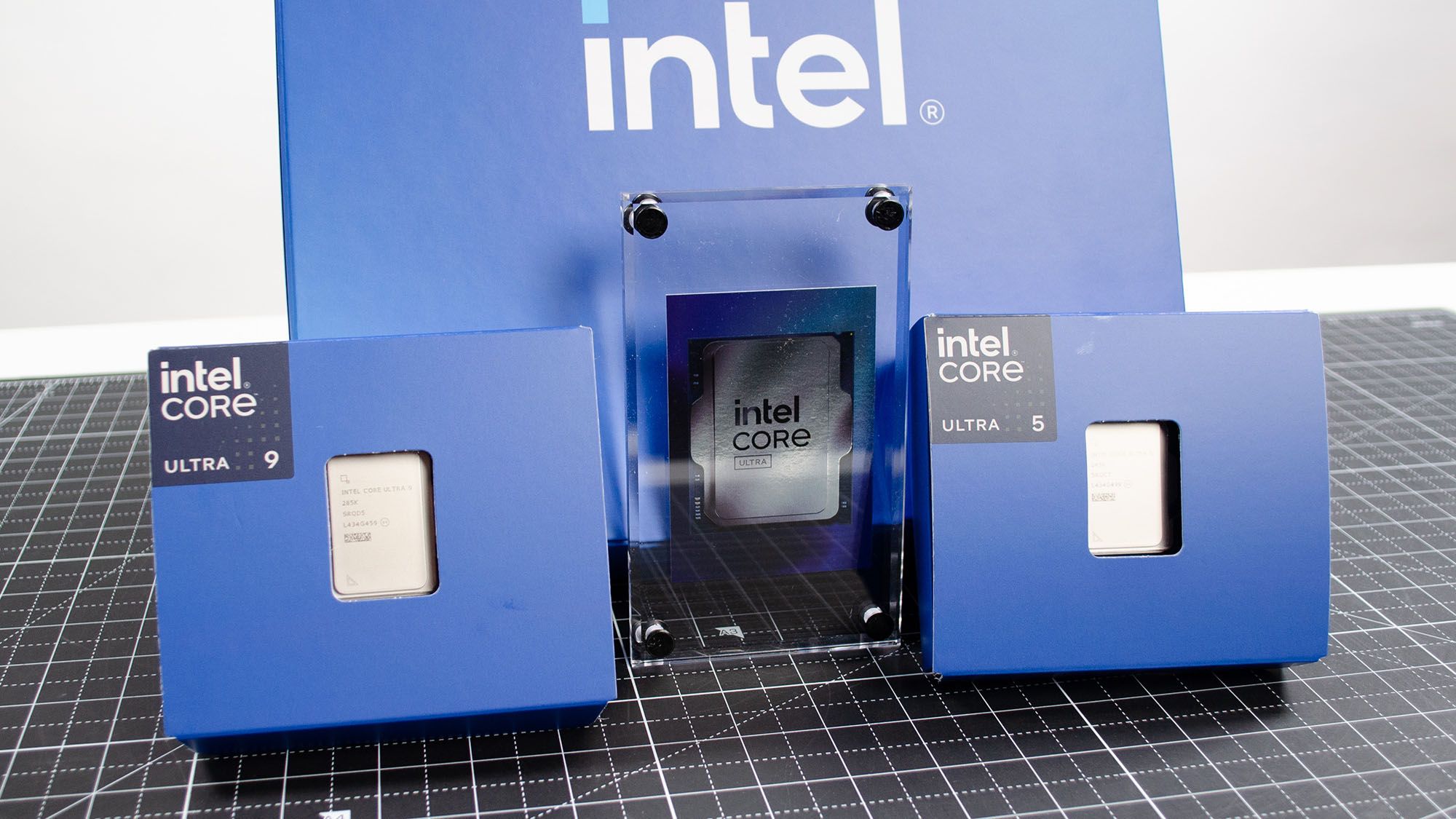
- Hidden Degradation: A chip labeled as 'Core i9' may deliver closer to Core i7 performance in real workloads, affecting render times or multi-threaded tasks.
- Roadmap Uncertainty: If Intel normalizes this practice, future price hikes could be even steeper, leaving buyers with less negotiating leverage.
The immediate question is whether these chips will arrive with full disclosures—or if they’ll quietly slip into the market under standard model numbers. Without clear labeling, businesses may unknowingly purchase parts that don’t meet their workload demands, forcing costly mid-cycle upgrades.
Where Things Stand Now
Intel has not confirmed this strategy, and industry analysts caution against assuming it’s a widespread trend. However, the pattern aligns with broader trends in semiconductor manufacturing, where yield optimization often takes precedence over strict performance segmentation. For now, small businesses should treat any price drop as a potential tradeoff—balancing cost savings against unadvertised limitations.