The LineShine supercomputer is poised to become one of the most powerful computing systems in the world, targeting a peak performance of 2 exaflops. This achievement would position it among the fastest supercomputers globally, though exact rankings will depend on sustained performance metrics. The system's design takes a significant step toward reducing dependency on foreign chip technologies, a strategic priority for domestic high-performance computing initiatives.
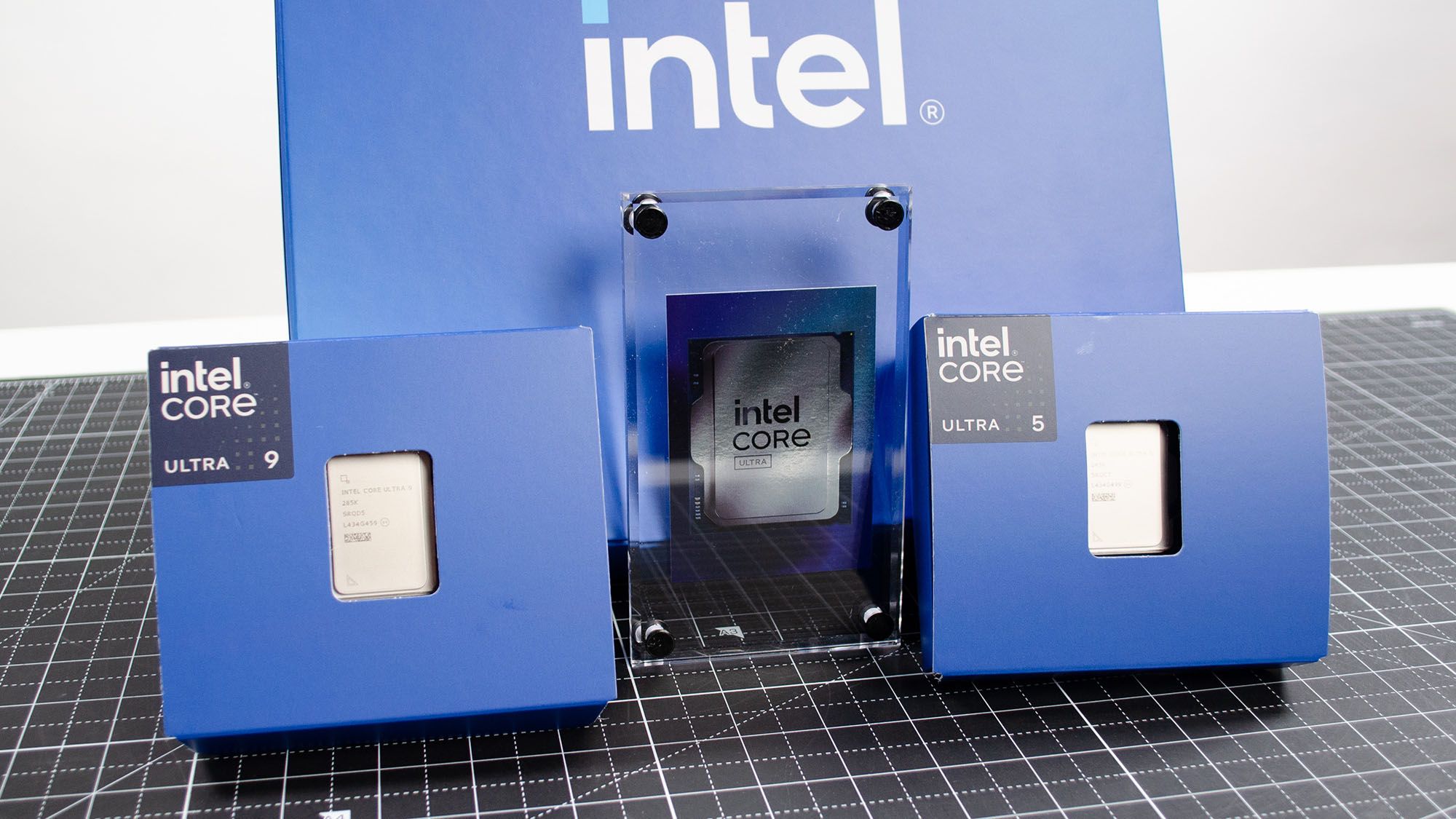
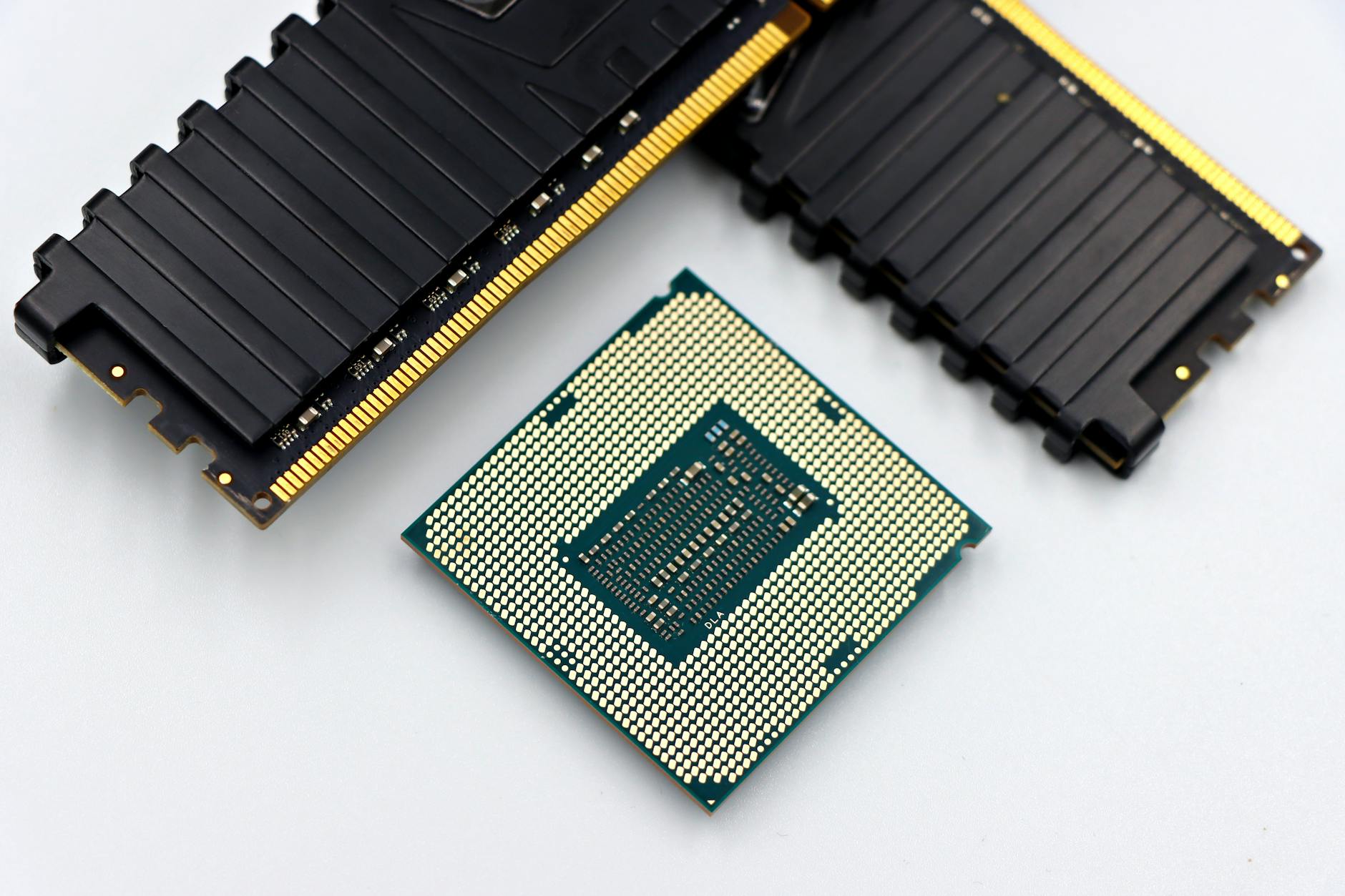
At the core of LineShine are 47,000 CPUs, all based on Chinese-designed architectures. This marks a notable shift in China's supercomputing landscape, where previous generations often relied on imported components, particularly from U.S. manufacturers. The move reflects broader efforts to strengthen domestic chip production capabilities, particularly in areas critical for scientific research and national security.
Performance benchmarks indicate that LineShine will deliver 2 exaflops of peak computing power. While this figure represents theoretical maximum performance, real-world applications typically achieve a fraction of this capacity. For example, the current leader in the Top500 list, Frontier, delivers around 1.1 exaflops at its sustained level. LineShine's goal is to close that gap, though whether it can maintain high efficiency across diverse workloads remains an open question.
One of the key challenges for LineShine will be ensuring compatibility with existing software ecosystems. Many scientific simulations and AI training workloads are optimized for established architectures, which may not translate smoothly to a new, domestically developed chip design. This could limit the system's effectiveness in some high-impact applications unless significant software development efforts are undertaken.

Despite these uncertainties, the LineShine project represents a meaningful advancement in China's supercomputing roadmap. If successful, it could reduce reliance on foreign technologies while expanding the country's capabilities in fields such as climate modeling, drug discovery, and advanced AI research. However, the long-term viability of this approach will depend not only on hardware performance but also on the development of supporting software and ecosystem tools.
The implications for global supercomputing dynamics are significant. A system capable of 2 exaflops would not only challenge the dominance of U.S.-based supercomputers but also accelerate China's position in high-performance computing. For enterprises and research institutions, this development could reshape supply chains, forcing a reevaluation of hardware dependencies and software compatibility strategies.
For now, the focus remains on delivering a system that meets its performance targets while addressing practical limitations. The balance between theoretical peak power and real-world efficiency will determine how quickly LineShine can be adopted in critical research environments. Those with the most to gain—scientific researchers and AI developers—will need to monitor these developments closely as the project progresses.