gaming has long been an exercise in compromise: powerful enough to handle demanding titles but never quite matching the performance of their desktop counterparts. Intel’s Serpent Lake processors aim to turn that narrative on its head by embedding NVIDIA’s RTX ray-tracing hardware—a feature previously reserved for high-end desktops—directly into its mobile chips. The question isn’t just whether this will make gaming laptops more capable, but whether it will finally make them a viable alternative for serious players who need both power and portability.
The core of Serpent Lake’s appeal lies in its integration of NVIDIA’s RTX GPU tile, a hardware block designed to accelerate ray tracing, a rendering technique that simulates real-world light behavior. This isn’t just about making games look better; it’s about doing so efficiently enough to avoid the thermal and battery life pitfalls that have plagued laptop GPUs in the past. Alongside this, Intel is introducing a new CPU architecture codenamed Cooper Shark, which promises efficiency gains over its predecessor while maintaining performance. But the real challenge will be proving whether these improvements translate into noticeable real-world benefits for gamers.
Performance and Efficiency: The Numbers Behind the Promise
- Cores: Up to 10 cores (8 performance + 2 efficiency), a modest but meaningful step up from previous generations.
- Clock Speeds: Base clock of 1.4 GHz, with turbo boosts reaching 5.1 GHz—faster than competitors in some scenarios, but the true test will be sustained performance under load.
- Architecture: Cooper Shark is designed to optimize power consumption, which could translate to longer battery life—a critical factor for gamers who need both performance and portability.
The numbers on paper are promising, but the real-world impact remains to be seen. While raw clock speeds have edged higher, the focus here is on efficiency. Serpent Lake’s architecture suggests a shift toward more balanced performance, where sustained power isn’t just about clock speed but how smartly that power is used. This could mean longer battery life for gamers who need their laptops to last through marathons or travel sessions without sacrificing too much performance.
Ray Tracing in a Laptop: The Game-Changer or the Next Evolution?
The inclusion of NVIDIA’s RTX tile is undeniably the most significant change. Ray tracing has been a staple on desktop GPUs for years, but its adoption in laptops has been limited by power draw and thermal constraints. By integrating it at the chip level, Intel and NVIDIA are betting that they can make ray tracing accessible without the usual trade-offs. If successful, this could shift the landscape for gaming laptops, making them a more viable option for players who need both mobility and high-end graphics.
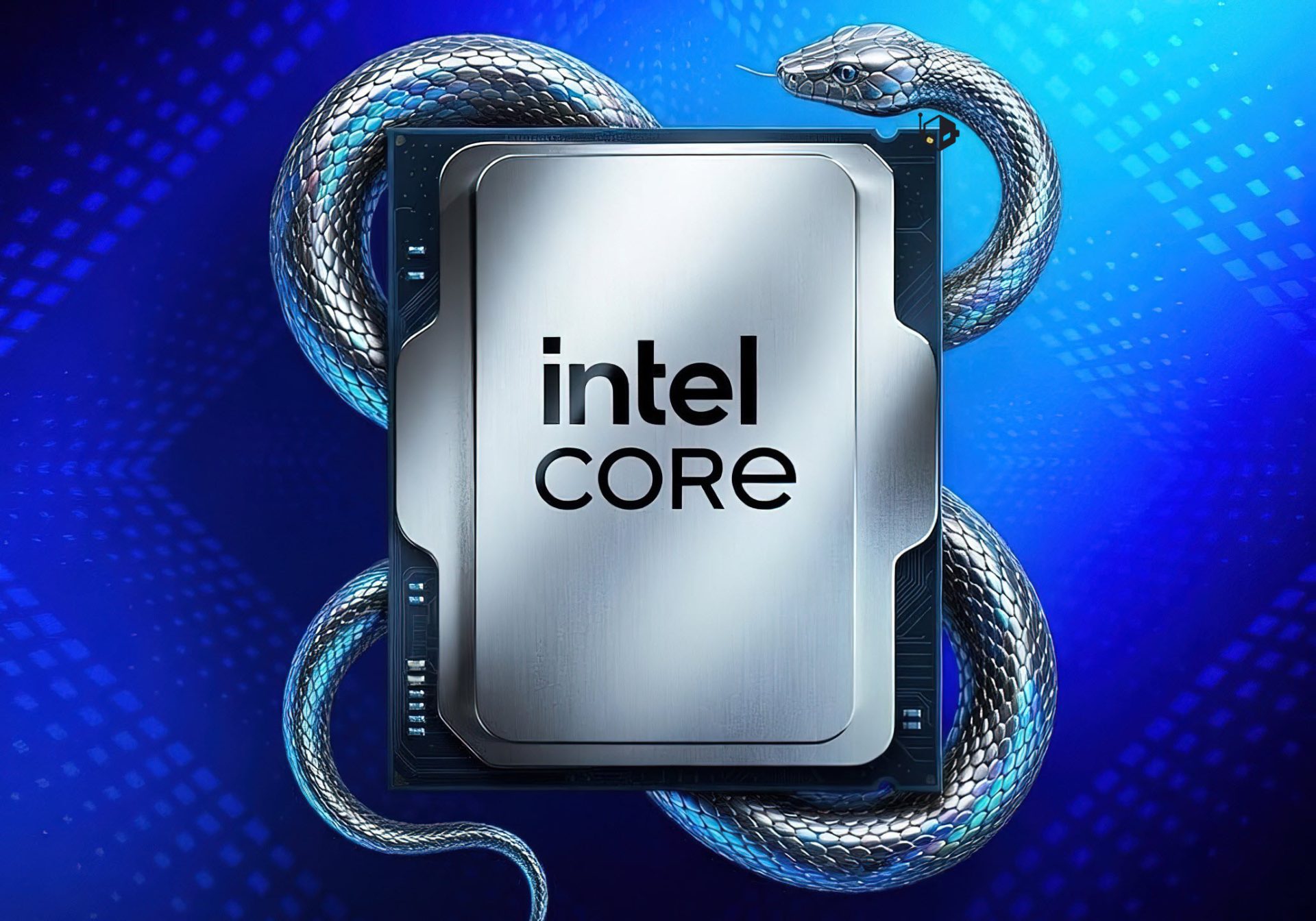
But skepticism lingers. Ray tracing is inherently power-hungry, and even with hardware acceleration, it can still impact battery life significantly. Gamers will need to weigh whether the visual improvements are worth the trade-offs in portability. For now, this remains a feature for those who prioritize cutting-edge graphics over longevity—those who want their laptop to handle ray-tracing-heavy games like Cyberpunk 2077 or Control without breaking a sweat.
Real-World Takeaways: What Gamers Can Expect
- Visual Fidelity: Ray tracing will bring a new level of realism to games, with more accurate lighting and reflections. However, the impact on battery life will depend heavily on how well Intel and NVIDIA optimize power consumption.
- Performance Balance: The Cooper Shark architecture suggests a focus on efficiency, which could mean better sustained performance in demanding workloads without the usual thermal throttling seen in high-end mobile GPUs.
- Portability vs. Power: Gamers will need to decide whether they prioritize raw performance or battery life. Serpent Lake’s design hints at a more balanced approach, but dedicated GPUs will still outperform integrated solutions in pure benchmarks.
Who Should Care
This chip is for gamers who refuse to give up mobility for power. If Serpent Lake delivers on its promises—especially around ray tracing and efficiency—it could make gaming laptops a more attractive option for those who travel frequently or need a single device that handles both work and play without breaking a sweat. However, it’s not a magic bullet; dedicated GPUs will still reign supreme in raw performance, so this is more of an evolution than a revolution.
The real test will be availability and real-world performance. If Serpent Lake chips hit the market with the expected gains, they could redefine what gamers expect from a laptop—making them a viable alternative to desktops for those who need both power and portability. But if power consumption or thermal throttling remains an issue, it might just be another step in the right direction rather than a game-changer.