Fortnite is undergoing a quiet but significant transformation under Epic Games' leadership. The introduction of AI-driven development tools marks a strategic pivot that could redefine how games are built, maintained, and experienced—especially for creators and casual players who have grown disillusioned with the platform's evolution.
The shift comes at a time when Fortnite's dominance in the battle royale space is being tested by rising competition. While Epic has historically relied on rapid content updates to sustain player engagement, the new AI framework promises to automate repetitive tasks—freeing up developers to focus on innovation rather than maintenance. This could be a turning point for a game that has struggled with stagnation in recent years.
Redefining Efficiency
The core of this change is an AI system designed to handle mundane development work, such as asset optimization and environment generation. Unlike traditional scripting tools, which require manual input, this approach allows creators to generate entire maps or tweak existing ones with minimal effort. Benchmarks suggest the AI can process large-scale terrain adjustments in a fraction of the time it would take manually, though real-world performance may vary depending on project complexity.
Who Benefits?
- Enthusiasts and professional creators will see immediate gains in workflow efficiency, with reduced bottlenecks in asset creation and testing. The AI's ability to adapt to different art styles could also encourage experimentation without the usual overhead of manual iteration.
However, everyday players may not notice an immediate difference in gameplay. The focus here is on backend optimization—a shift that could stabilize Fortnite's long-term health rather than deliver flashy new features overnight. For those who tune out during slower periods, this move might feel like a behind-the-scenes adjustment rather than a high-impact update.
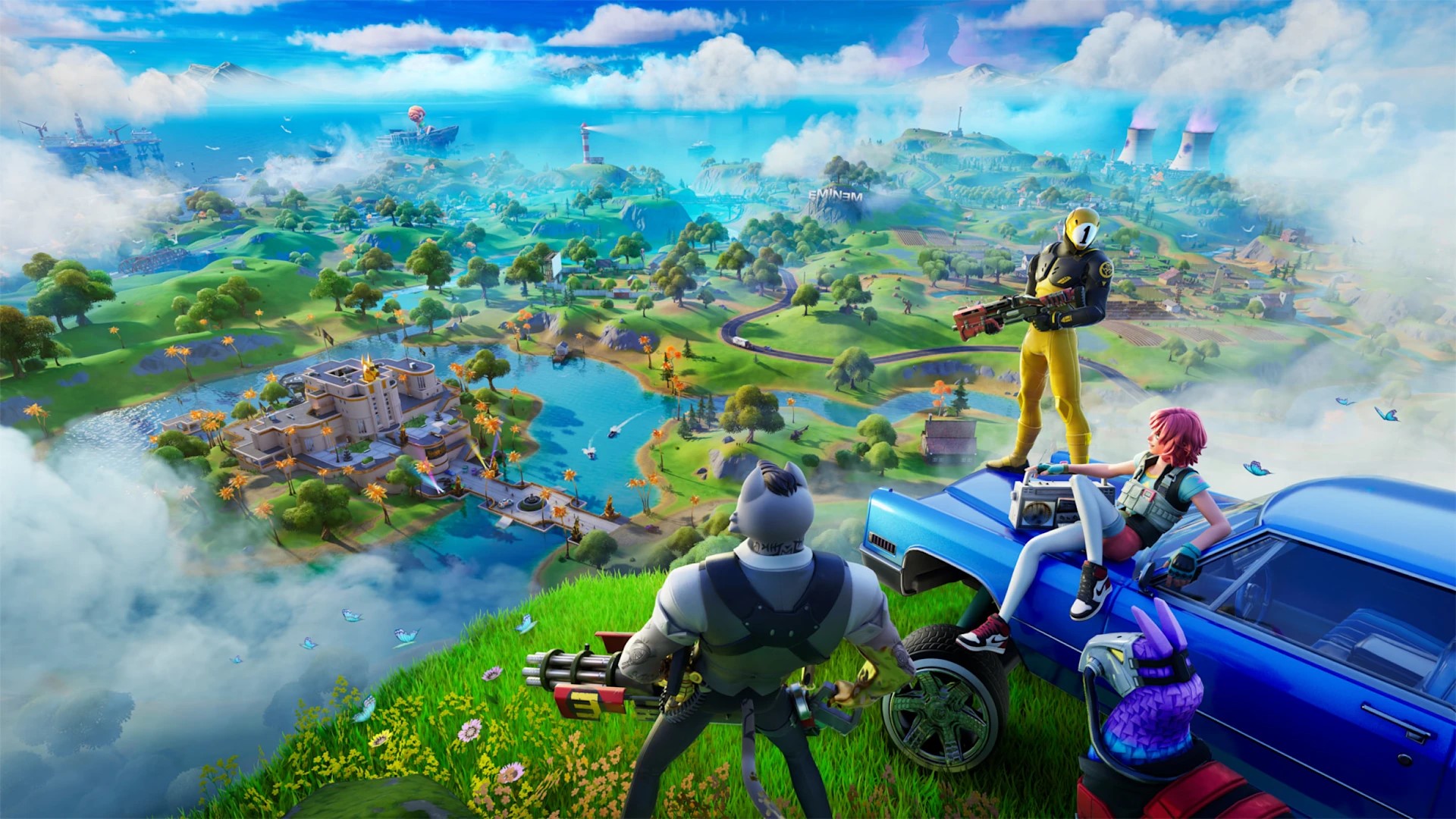
There are uncertainties, too. While Epic has hinted at broader AI integration in the future, specifics remain vague. Whether this will translate into tangible improvements for players or remain confined to developer tools is still an open question.
A Broader Trend
This isn't just about Fortnite—it's part of a larger industry trend where AI is being weaponized to tackle efficiency gaps in game development. From procedural content generation to automated testing, studios are turning to AI to fill roles that were once labor-intensive or time-consuming. For Epic, this could be a way to recapture some of the momentum lost over the past few years while setting a new standard for how games are built.
The question now is whether this shift will arrive too late. Fortnite's player base has already fragmented, and competitors like PUBG and Apex Legends have carved out their own niches. But if executed well, AI could help Epic hollow out a more sustainable path forward—one that balances innovation with the practical realities of maintaining a live-service game at scale.
What to watch: The rollout timeline for these tools remains unclear, but leaks suggest they may appear in beta form within the next few months. Pricing details have not been confirmed, leaving creators to speculate on cost implications.