Intel has begun the wind-down of two of its longest-running product lines—12th Gen Alder Lake-S desktop CPUs and 4th Gen Xeon Sapphire Rapids server chips—but without clear indicators of immediate replacements. The moves, announced in low-key product change notifications, suggest a deliberate shift away from legacy architectures while leaving key questions unanswered about Intel's roadmap.
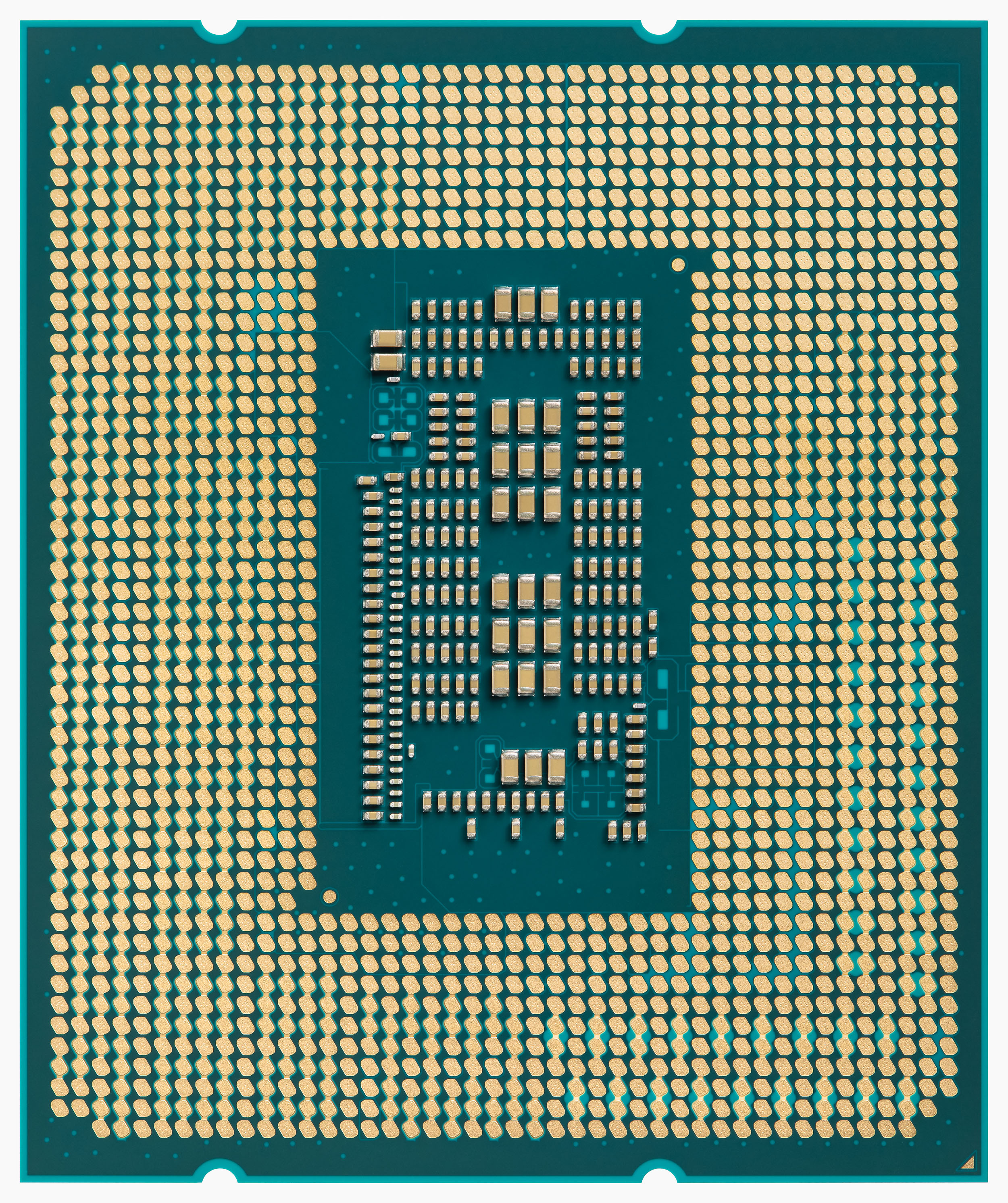
The first wave of dis continuations targets select Alder Lake-S models, ranging from the high-end Core i9 down to Pentium Gold variants. Orders for these chips will close on July 24, with final shipments expected by January 22, 2027. While Intel has not ruled out a possible revival of Alder Lake elements in future hybrid designs, the timing suggests a deliberate phasing out rather than an extension.
On the server side, Intel's 4th Gen Xeon Sapphire Rapids line—long delayed and overshadowed by its successors—is also being retired. Seventeen boxed and tray models are affected, though one specific Xeon Gold 6414U variant has been spared, likely due to niche demand. The last orders for these chips will be accepted on September 26, 2025, with final shipments extending until March 31, 2028—a timeline that reflects both the longevity of server deployments and Intel's cautious approach to transitions.
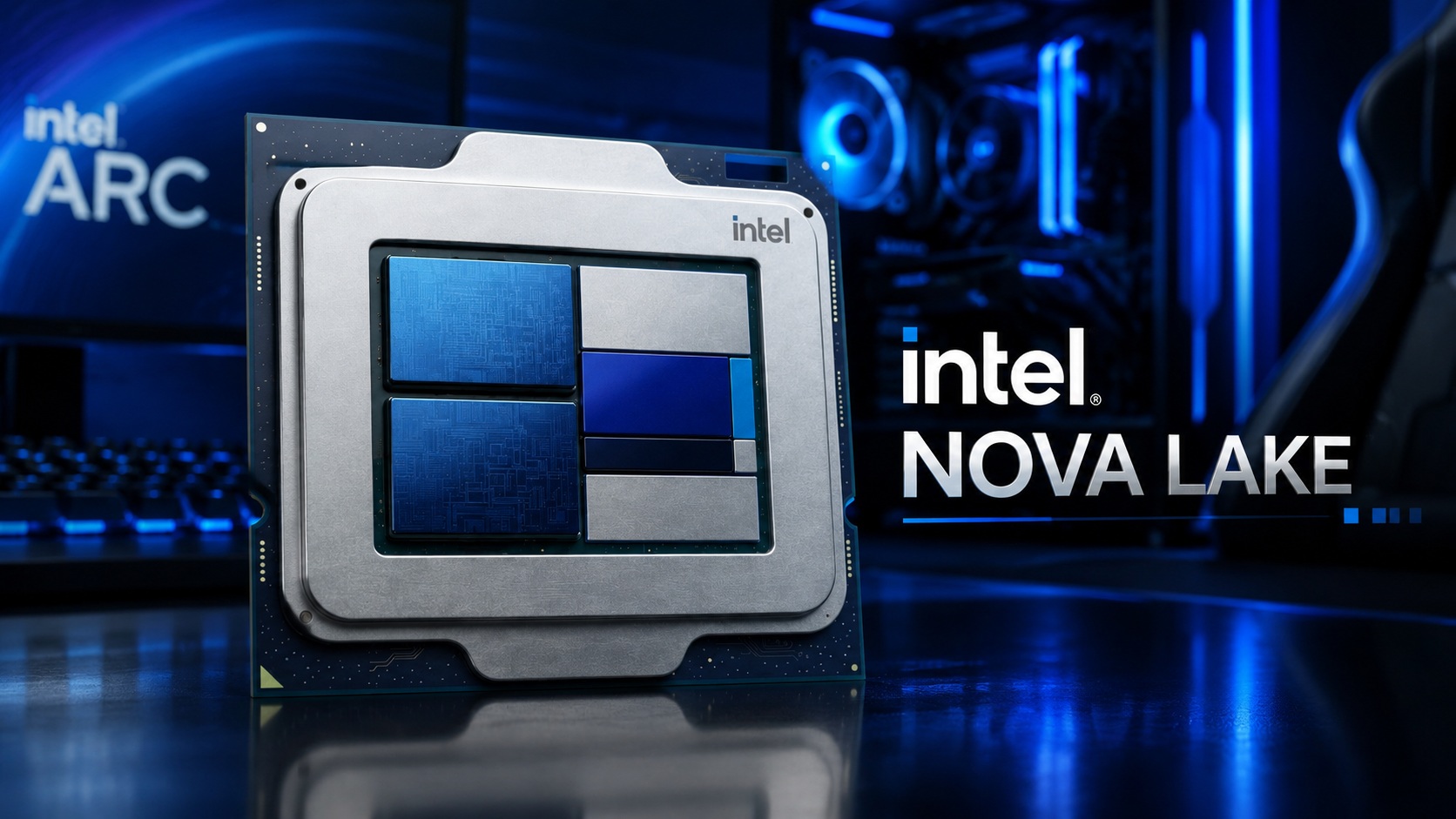
What remains unclear is whether Intel intends to introduce a direct successor to Alder Lake-S or Sapphire Rapids. The company has already shifted focus to newer architectures like Arrow Lake Refresh and Nova Lake, which incorporate more modern designs. For desktop users, the transition may be smoother than in previous generations, given that Intel's 13th and 14th Gen Core processors have largely addressed performance gaps left by Alder Lake-S. However, server customers—particularly those relying on Sapphire Rapids for high-performance workloads—may face a more abrupt shift, as the 5th Gen Xeon Emerald Rapids-SP and 6th Gen Granite Rapids-SP lines have already taken precedence.
The dis continuations also raise questions about Intel's long-term strategy. While Alder Lake-S was a significant leap forward when it launched in late 2021, its hybrid architecture—combining performance and efficiency cores—has since been refined in subsequent generations. The lack of a clear successor suggests that Intel may be prioritizing other areas, such as AI acceleration or integrated graphics, where newer platforms like Arrow Lake and Nova Lake are making strides.
For now, users of Alder Lake-S and Sapphire Rapids will need to plan their upgrades carefully. While the retirement of these lines is not unexpected—given Intel's typical product lifecycles—the absence of a defined replacement path adds uncertainty. Whether this reflects a deliberate slowdown in Intel's roadmap or simply the natural evolution of its architecture remains to be seen.