Intel's GPU roadmap has long been a subject of speculation and intrigue, with whispers of new architectures and performance leaps. Yet, beneath the surface of official announcements lies a narrative of cautious development and strategic silence. The latest chapter in this story was inadvertently written by Intel itself, in the form of a firmware package that surfaced within recent driver updates.
Hidden within the digital footprint of Intel's software updates, researchers uncovered traces of the BMG-G31 GPU. This isn't merely another entry in Intel's lineup; it represents a potential leap forward for the company's discrete graphics division. The BMG-G31's presence suggests early-stage support, with its name popping up in both driver firmware and profiling tools like VTune. However, its retail counterpart—the Arc B770—remains shrouded in mystery, as Intel has shown little interest in discussing its timeline or market appearance.
The BMG-G31's significance extends beyond its technical specifications. With 16GB of VRAM and a stronger chip architecture, it could address a critical gap in Intel's consumer GPU lineup, which currently lacks a mid-range solution. The Arc B580 and B570, while capable, fail to meet the demands of modern gaming, leaving a void that the Arc B770 was poised to fill. Yet, despite its potential, Intel has maintained an eerie silence on the matter, avoiding questions at industry events like CES and providing no concrete plans for gamers.
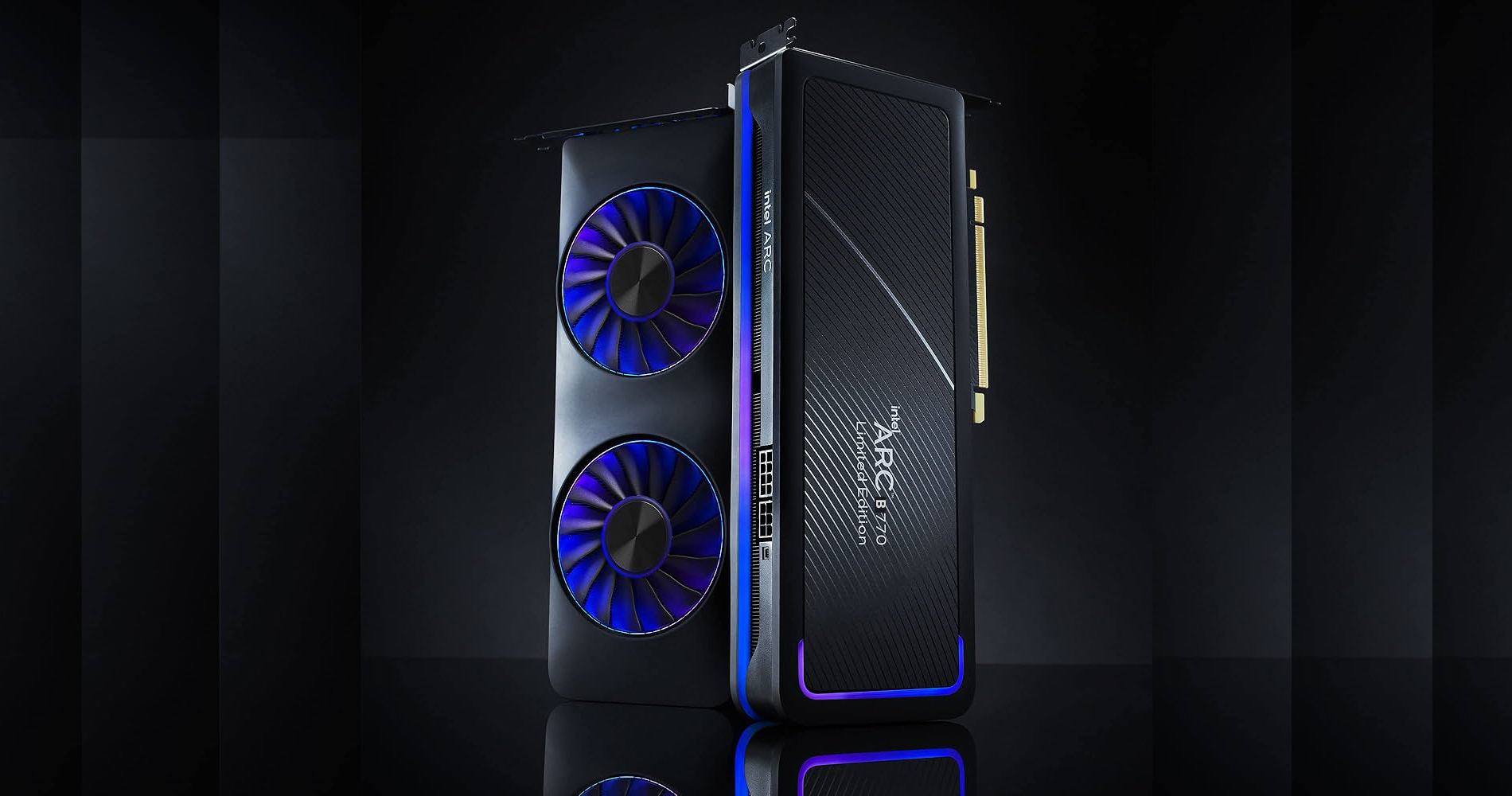
This reticence is puzzling, especially when compared to Intel's usual approach of proactive communication. The company has a history of teasing upcoming products, yet with the Arc B770, it seems content to let speculation run rampant without offering clarity. Whether this is due to internal uncertainties or a deliberate strategy to manage expectations remains unclear. One thing is certain: gamers are left waiting, hoping for answers that Intel isn't ready—or willing—to provide.
As the tech industry continues to evolve, Intel's approach to its GPU division has become a study in contrasts. On one hand, there's the rapid advancement of architectures like Battlemage, which promises significant performance uplifts. On the other, there's the lingering question of retail readiness and market strategy. The BMG-G31 firmware leak offers a glimpse into Intel's future, but without further insights from the company itself, the full picture remains frustratingly incomplete.
The Arc B770's journey is far from over. Whether it will emerge as a game-changer or remain a footnote in Intel's GPU history depends on more than just hardware—it hinges on the company's willingness to engage with its audience and set clear expectations. For now, gamers can only speculate, waiting for the day when Intel breaks its silence and brings this promising GPU to market.