The laptop market is splitting—some brands are racing ahead while others stall. This isn’t just about performance; it’s about who controls the platform and who gets left behind.
At the heart of this divide is a new wave of ultraportable devices, but their success hinges on more than specs alone. Platform lock-in is becoming the key battleground, and PC builders are already feeling the pressure to choose sides carefully.
A Market Divided
Laptops are no longer just about raw power or battery life. They’re about ecosystems—software, updates, and long-term support that can make or break a device’s relevance. The latest generation of laptops reflects this shift, with some brands doubling down on integrated hardware and others betting big on modular designs.
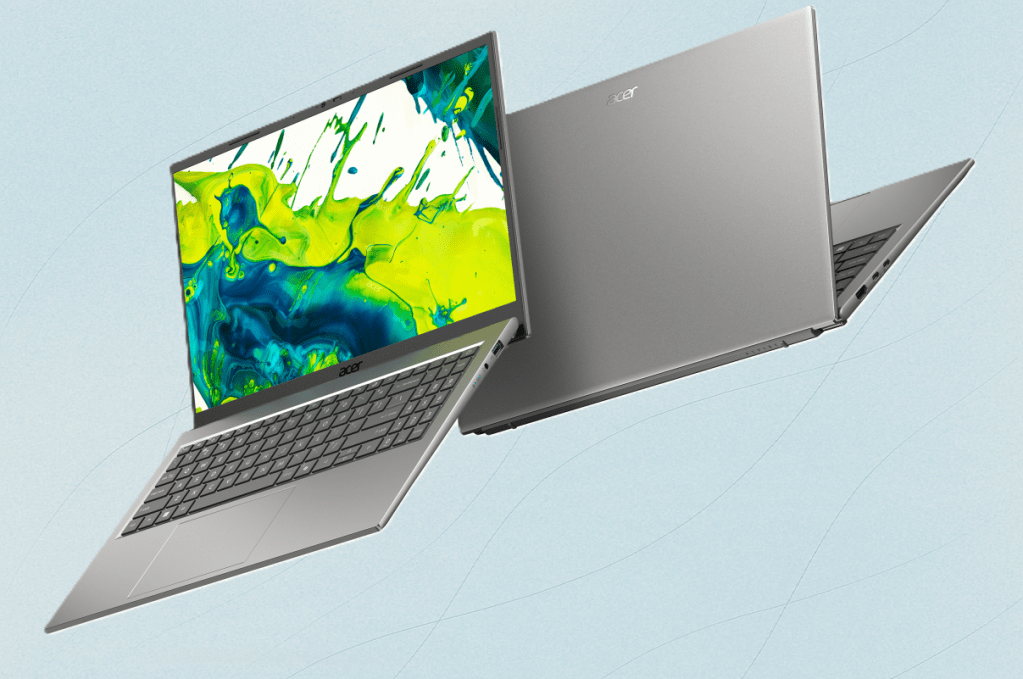
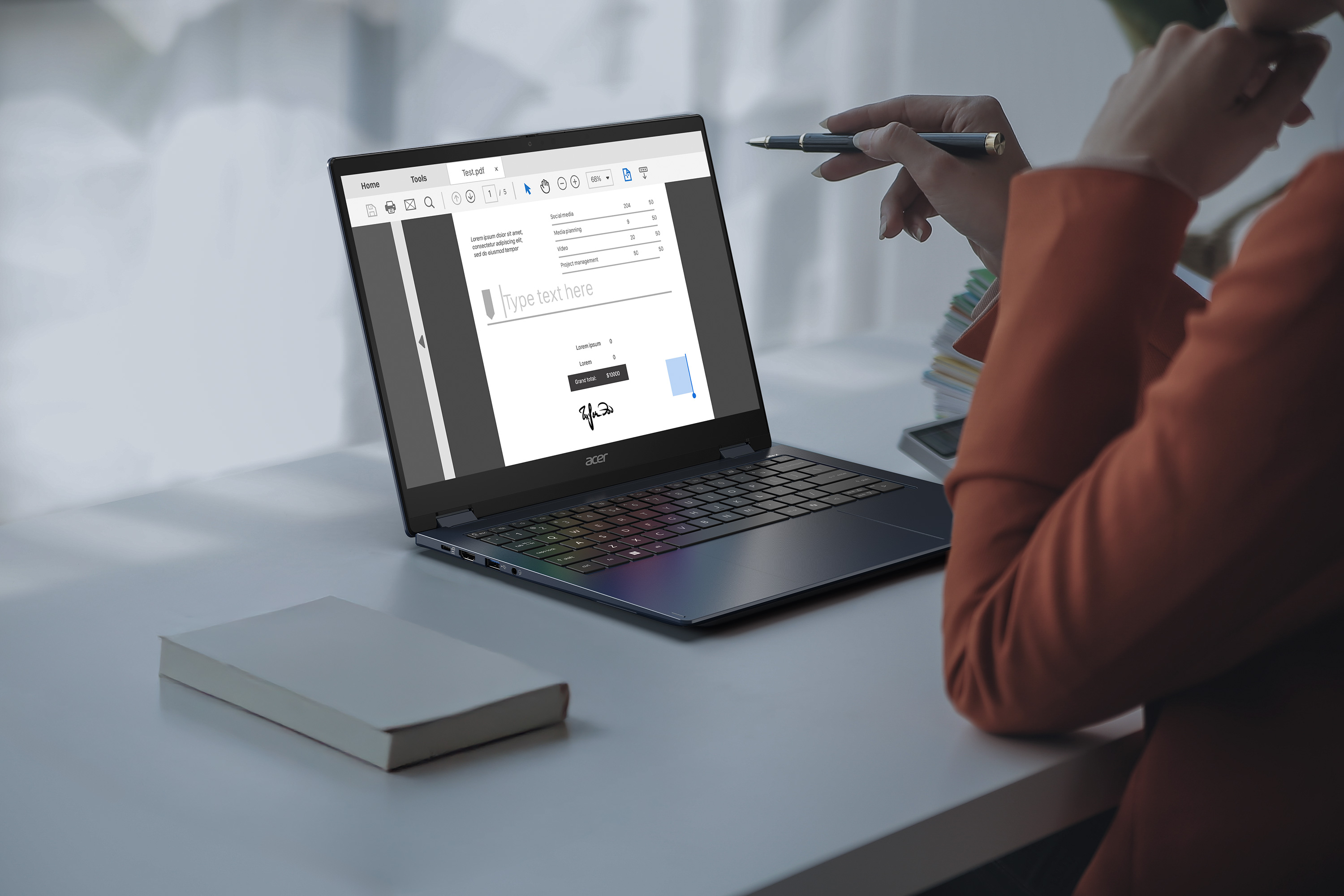
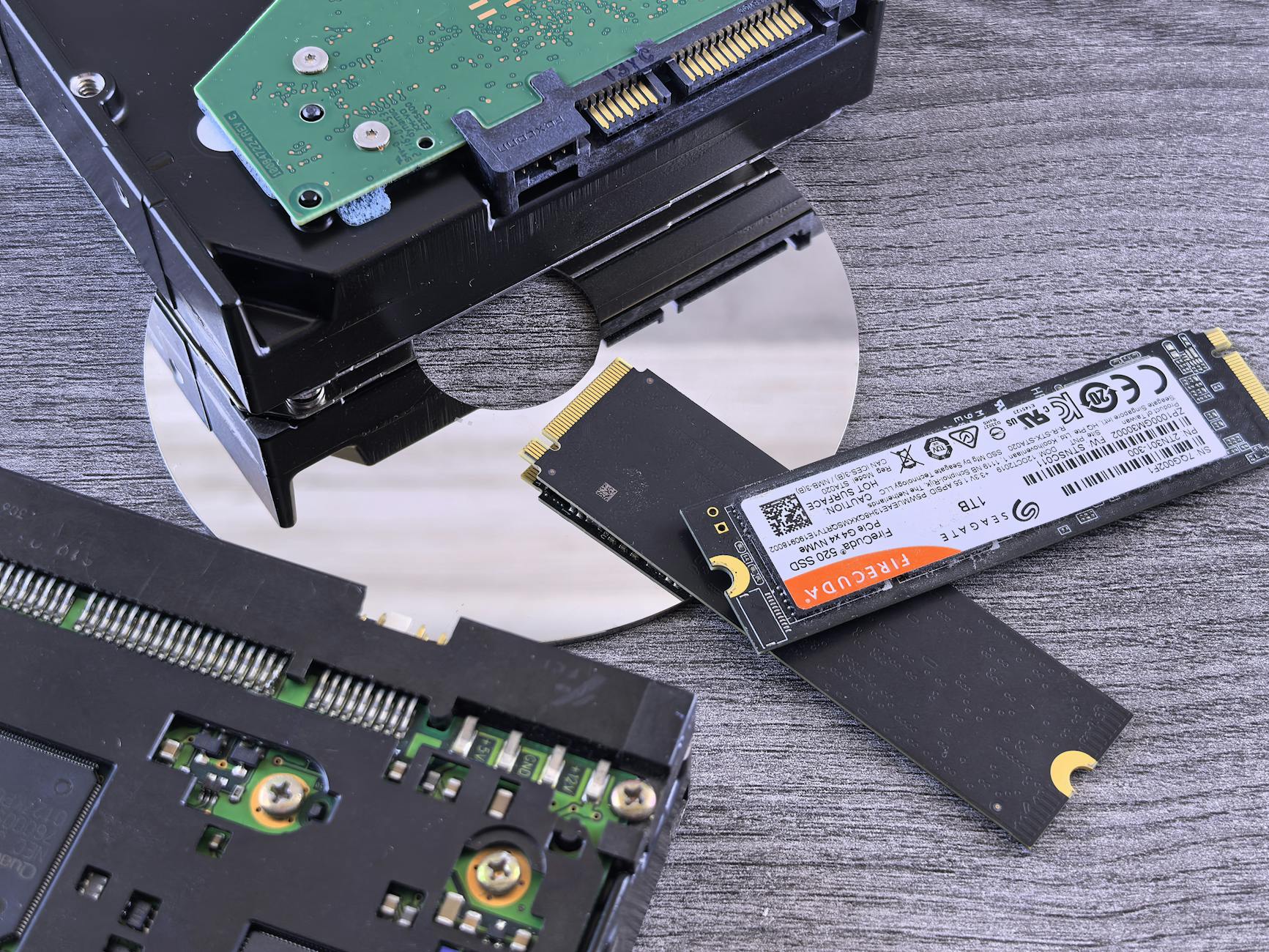
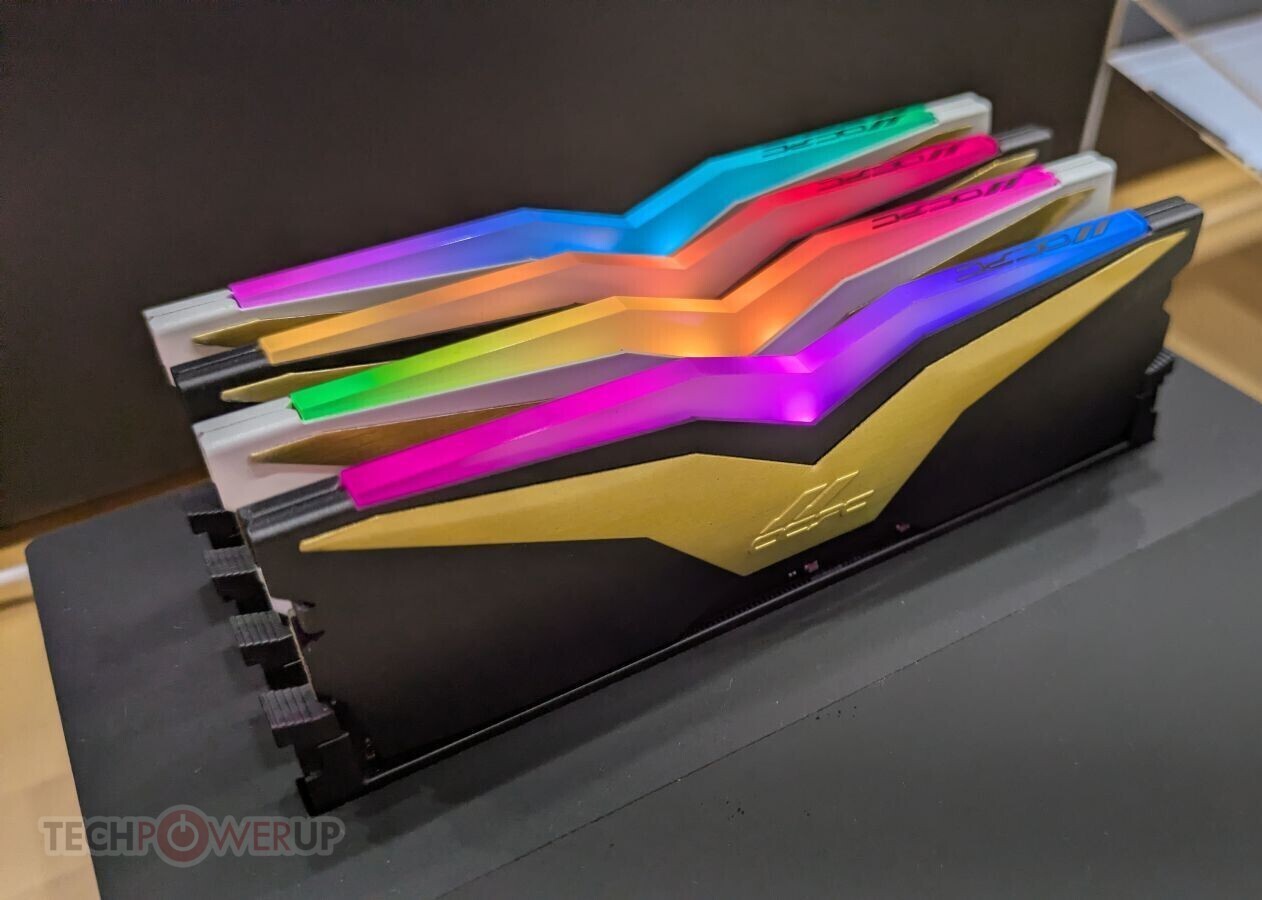
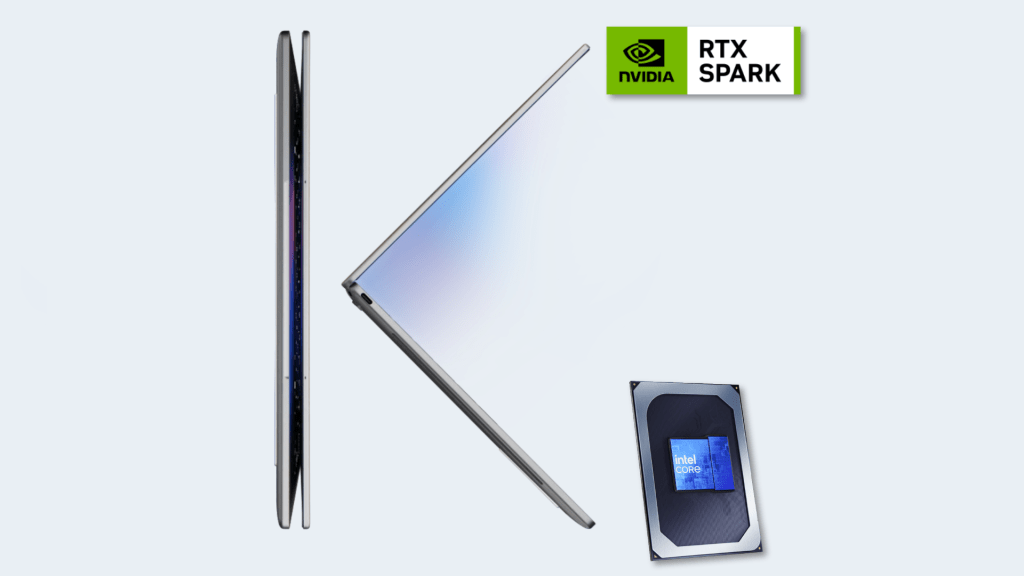
For example, one line of ultraportables now offers 8GB LPDDR5X RAM paired with up to 1TB PCIe 4.0 SSD storage. That’s a significant leap from previous models, but the real question is whether this hardware will stay relevant as operating systems evolve.
Where the Marketing Holds Up
- Performance: The specs check out—faster RAM and storage make a noticeable difference in daily tasks.
- Battery Life: Real-world tests show these devices lasting longer, but only if they’re optimized for background processes.
Yet, the promises of seamless upgrades often feel more like marketing than reality. Many of these laptops rely on proprietary components that limit future compatibility, leaving users stuck if they want to swap parts down the line.
A Cautious Upgrade Path
PC builders should weigh whether a laptop’s performance gains justify its platform lock-in risks. Right now, the market rewards brands that offer flexibility, but those choices may not last forever.
The biggest winners so far are users who need portability without sacrificing power—developers, designers, and remote workers. But for those who prioritize long-term hardware upgrades, the current crop of ultraportables might not be the best fit.
As the market continues to split, the decision becomes clearer: if you value ecosystem stability over modularity, these new laptops could be a smart upgrade. If you prefer keeping your options open, it’s worth waiting for the next generation.