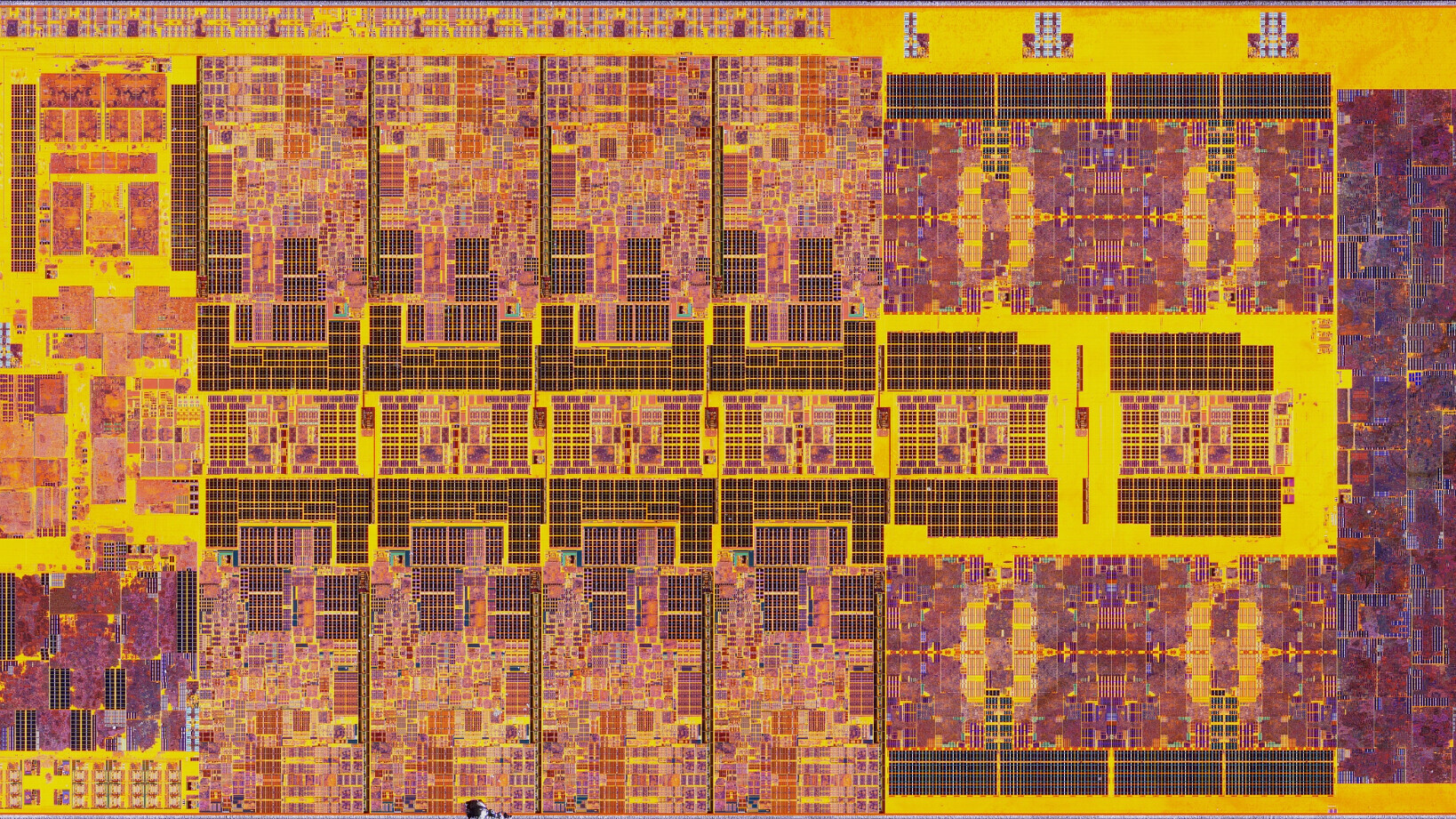
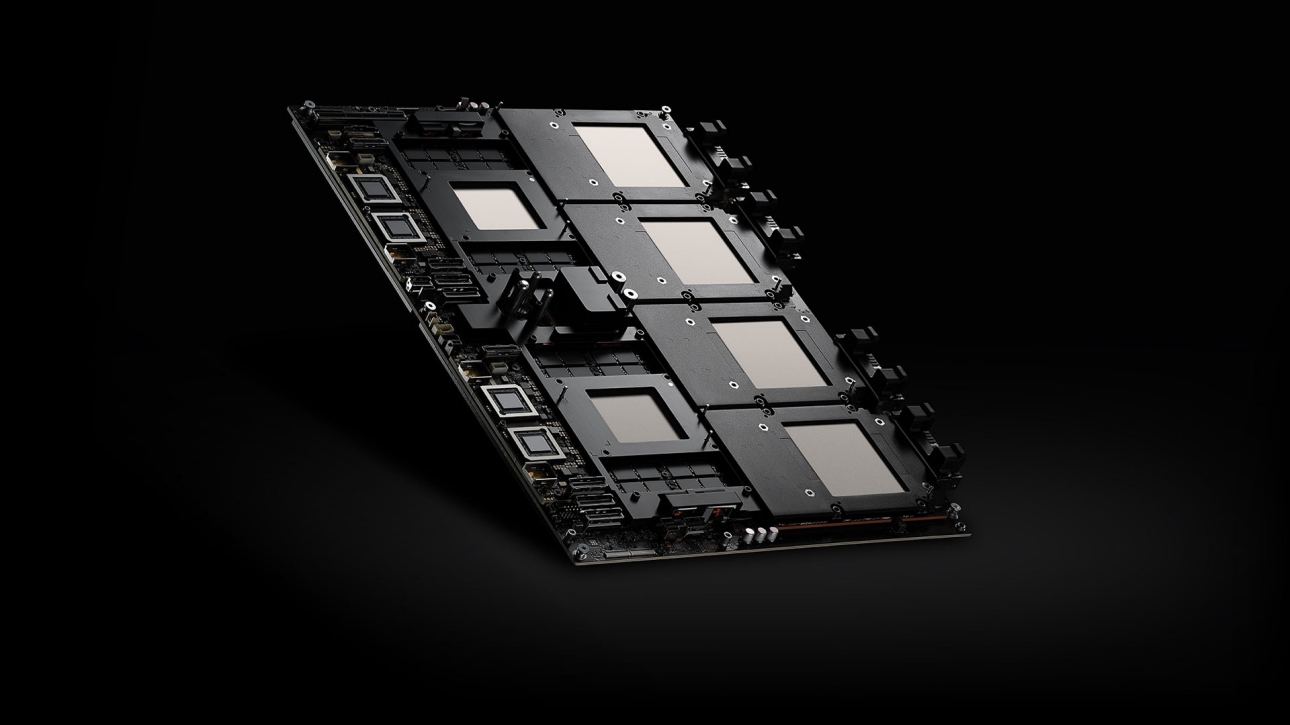
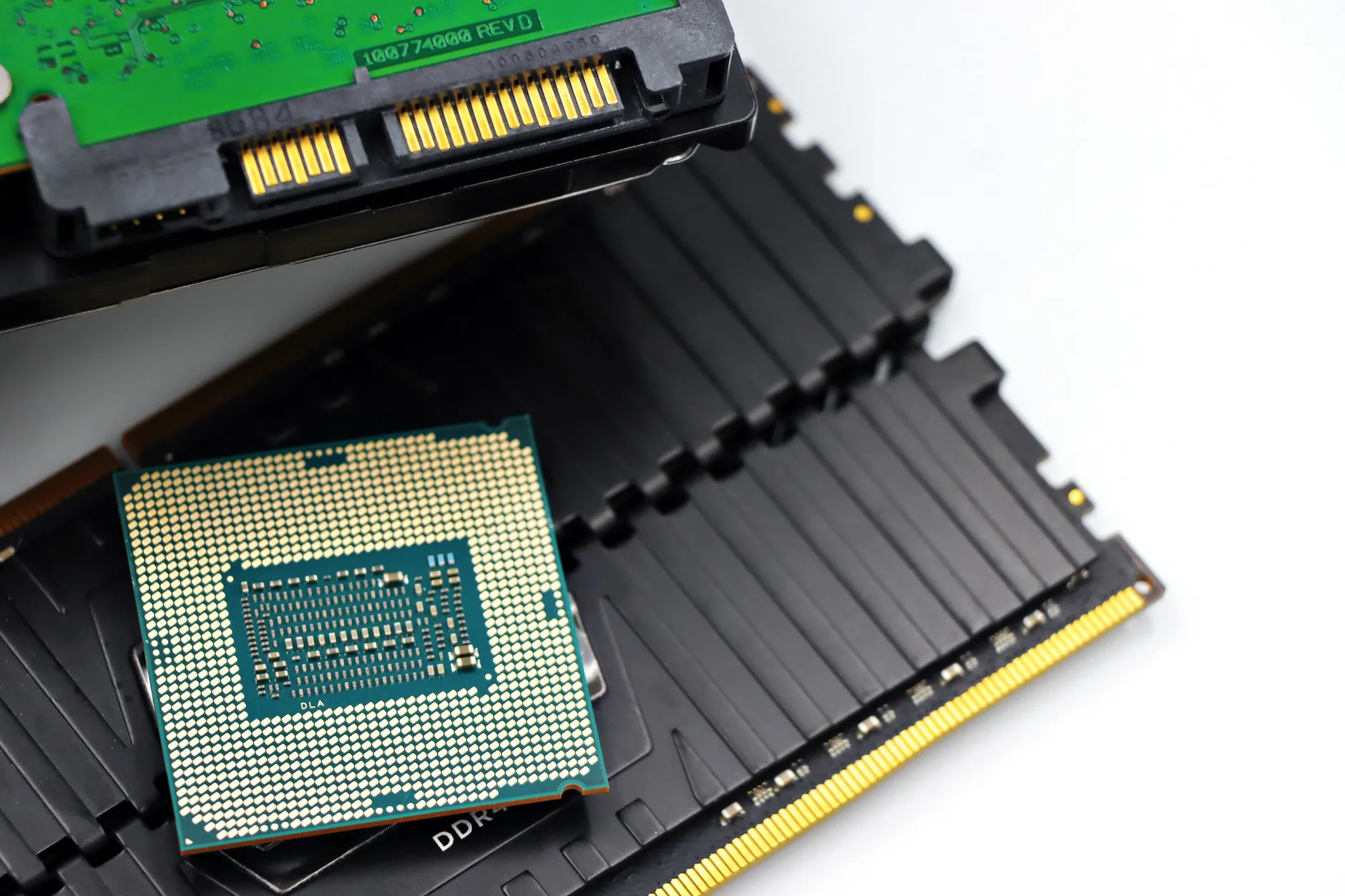
Intel has shrunk the die of its Z990 chipset by 22% and increased its power budget to 14W, delivering a denser, more capable foundation for Gen5 platforms. This shift reflects broader trends in silicon efficiency while addressing real-world demands for performance without sacrificing thermal constraints.
The move is part of Intel’s ongoing optimization efforts, where the Z990 now balances reduced footprint with higher power delivery—key for systems where space and heat are critical. The chipset supports a range of features tailored for data-intensive workloads, including enhanced connectivity and memory scaling, without the usual trade-offs seen in previous generations.
Why This Matters Now
The 14W power rating is notable because it allows OEMs to design systems that meet strict thermal guidelines while still pushing performance. For AI and data workloads, this means more efficient cooling solutions without sacrificing throughput or latency. The smaller die also suggests Intel is refining its manufacturing processes, which could trickle down to other components in the ecosystem.

Key Technical Details
- Die size reduced by 22% compared to predecessors.
- Power budget increased to 14W for better thermal headroom.
- Designed for Gen5 compatibility, with support for high-speed memory and advanced I/O.
The Z990’s design prioritizes efficiency without compromising on features. It maintains support for multi-GPU setups, high-bandwidth storage interfaces, and robust PCIe connectivity—all while fitting into tighter form factors. This is a deliberate push toward platforms that don’t just handle workloads but optimize them.
For buyers, the implications are clear: smaller footprints mean more flexibility in system design, while the power increase ensures stability under load. Whether for data centers or high-performance workstations, the Z990 positions itself as a bridge between raw performance and practical constraints.