The iPhone 17 Pro doesn’t just follow the path of previous models—it carves a new one, especially when it comes to thermal management and computational efficiency. At its heart is a chip architecture that rethinks how heat is handled on mobile devices, a necessity when those devices operate in environments far beyond typical use cases, such as the surface of the Moon.
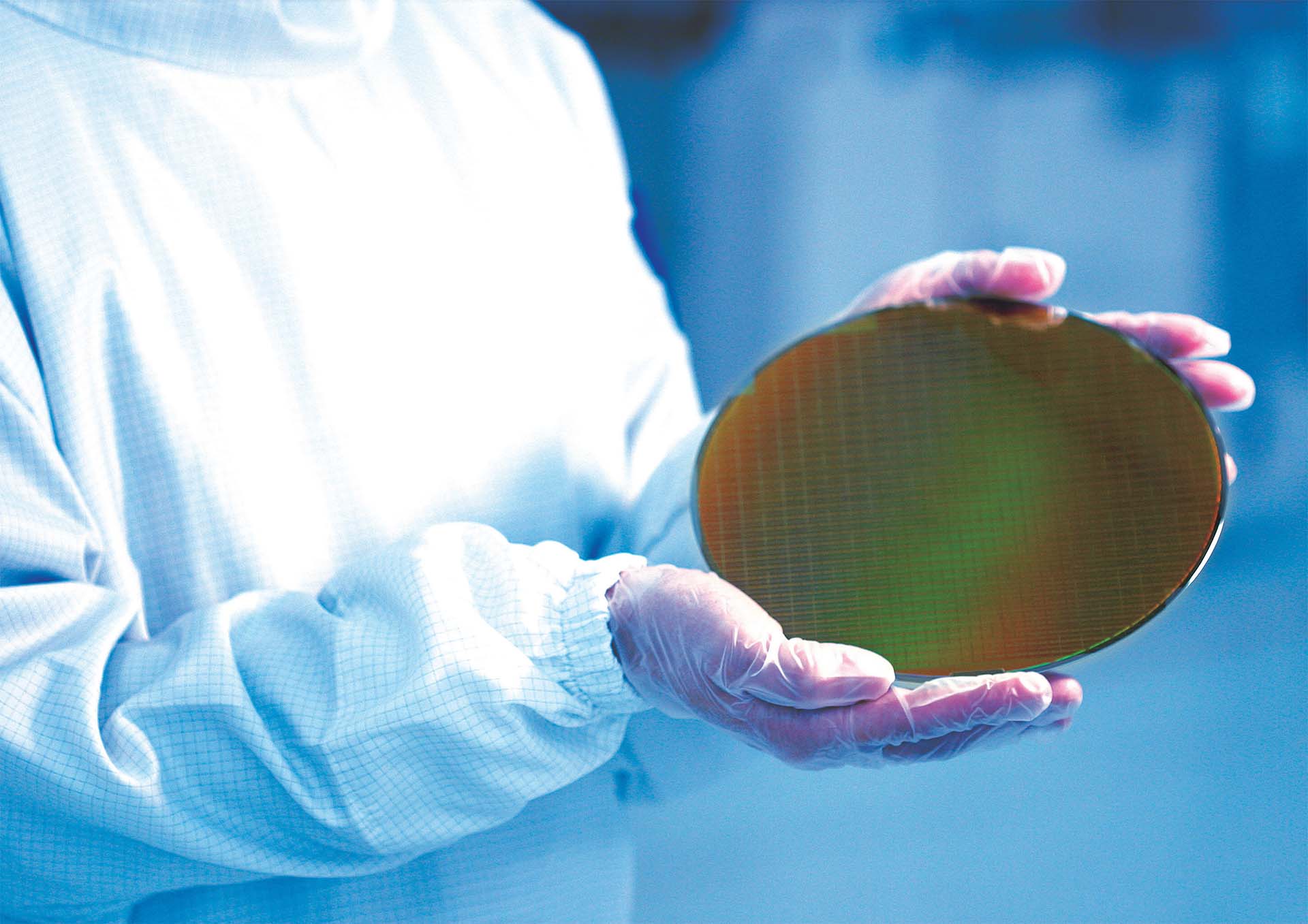
One of the most significant innovations is the 3D stacked memory configuration, which Apple claims reduces latency by up to 20% compared to prior generations. While this figure might seem modest at first glance, its impact becomes clear when considering prolonged workloads—whether rendering high-resolution graphics or running AI models for extended periods. The trade-off, however, is a more densely packed thermal layout, which introduces new challenges for long-term reliability under extreme conditions.
A New Approach to Thermal Design
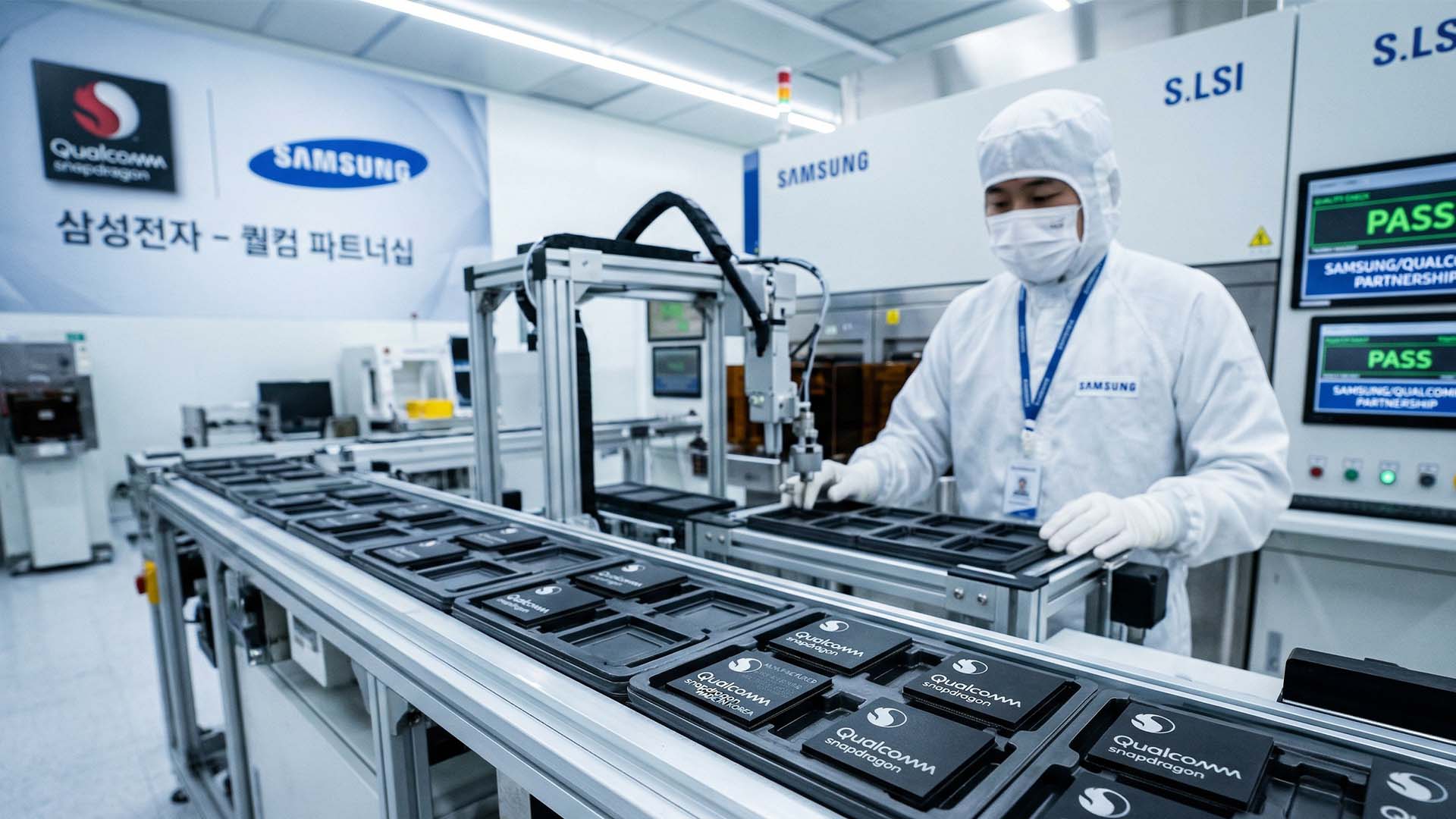
- Chipset: Custom silicon with 3D stacked memory (20% lower latency)
- Memory: 16GB LPDDR5X, optimized for low-power operation
- Storage: Up to 1TB UFS 4.0, featuring faster sequential read/write speeds
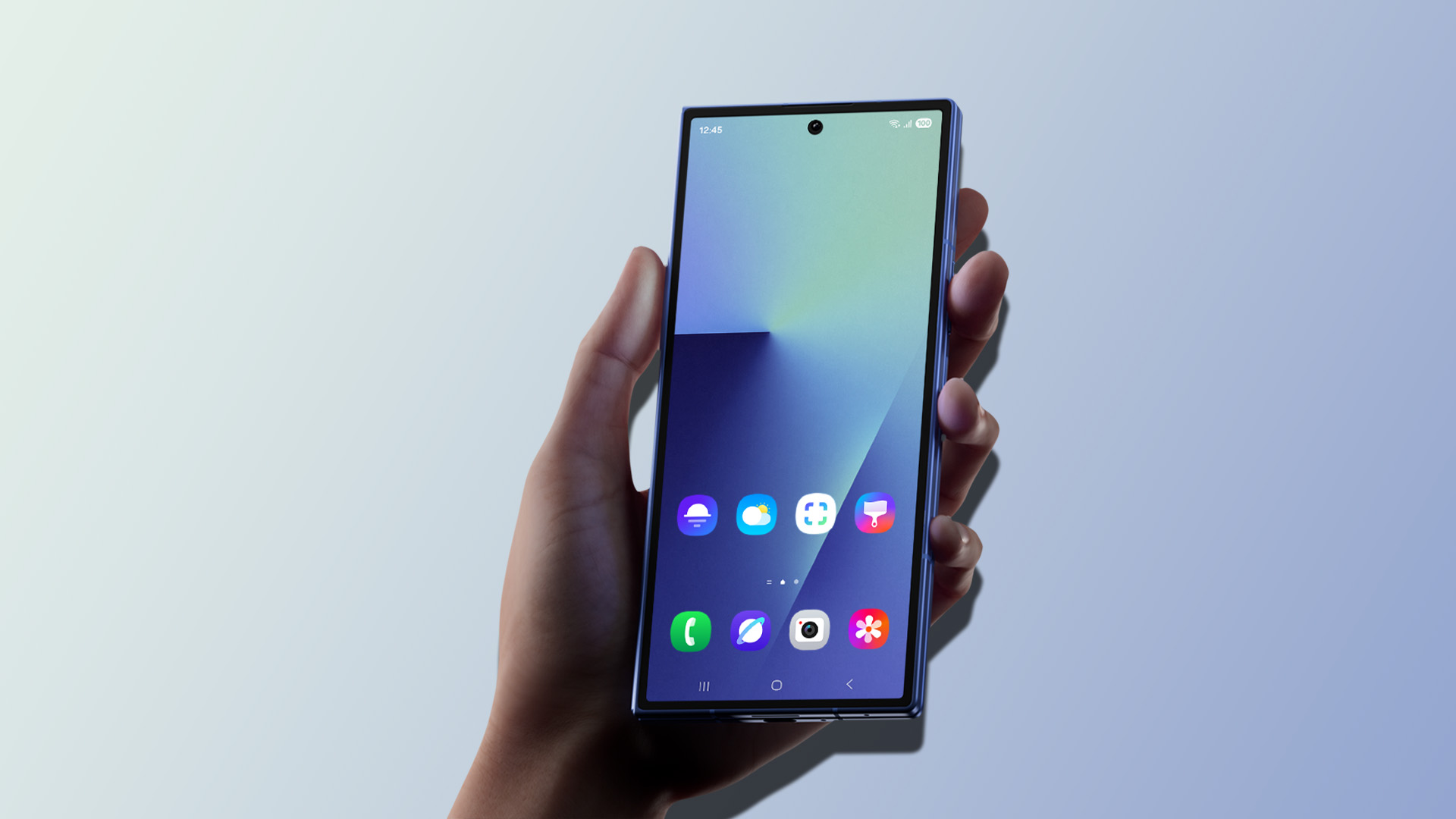
- Display: 6.1-inch Super Retina XDR OLED with adaptive refresh rates (1Hz–120Hz)
- Cameras: Dual 48MP sensors (main and ultra-wide), 12MP telephoto with 5x optical zoom
- Battery: 3,600mAh, engineered for thermal efficiency
- Connectivity: 5G, Wi-Fi 7, Bluetooth 5.4
- Ports: USB-C (reversible), no headphone jack
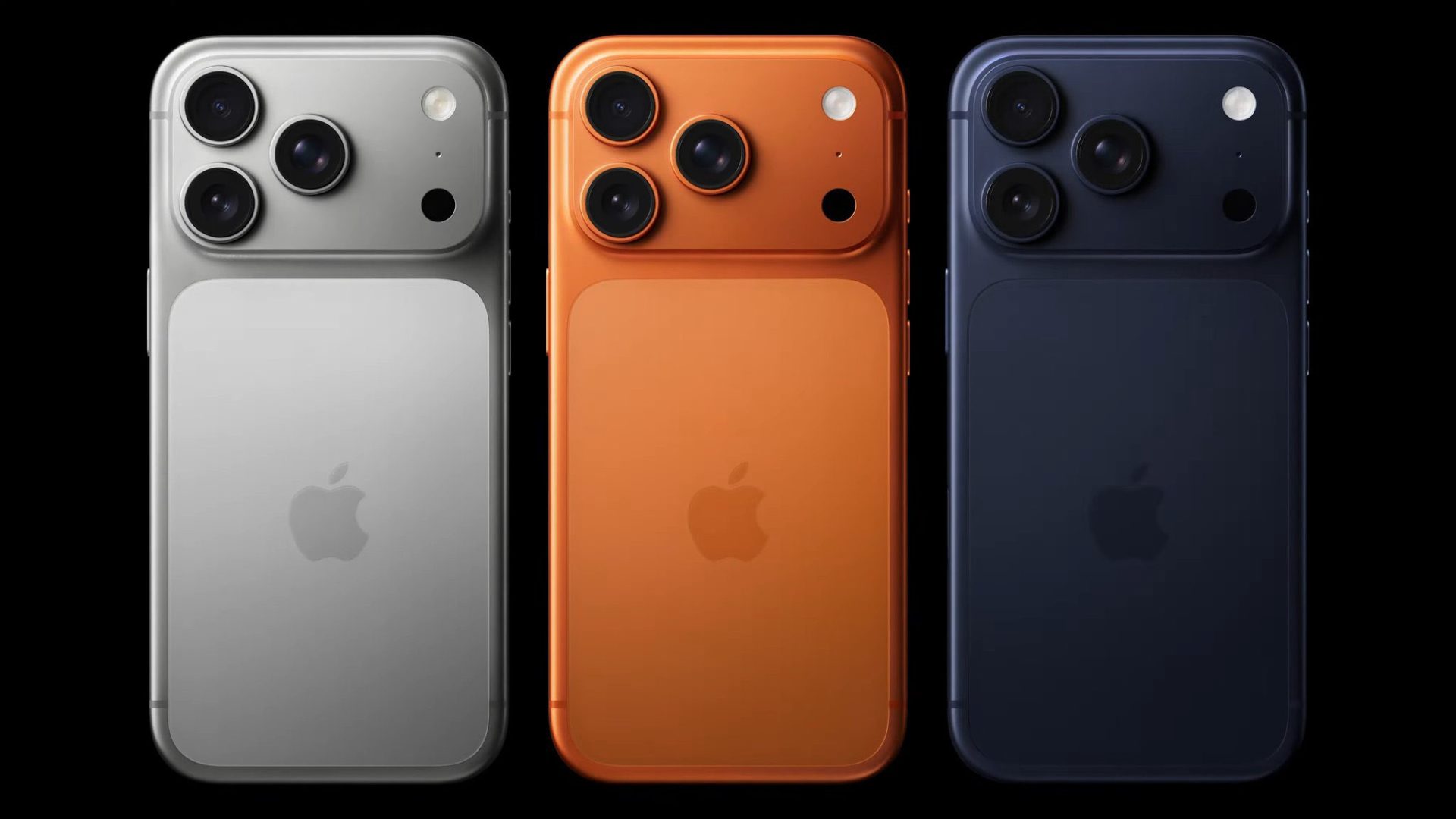
The iPhone 17 Pro’s specifications suggest a device built for both high performance and thermal resilience. The 3D stacked memory is particularly noteworthy because it addresses a long-standing bottleneck in mobile computing: the gap between CPU/GPU speed and memory access times. However, whether this translates to noticeable improvements in real-world scenarios remains uncertain, especially when considering how heat accumulates during sustained workloads—a factor that will be rigorously tested on missions like Artemis.
Implications for Developers
For developers, the iPhone 17 Pro’s hardware changes present both opportunities and constraints. The reduced latency in memory access could significantly accelerate workflows for applications that rely on real-time data processing or AI inference. However, the more aggressive thermal design means that apps pushing the device to its limits may require more sophisticated cooling strategies—whether through algorithmic optimizations or external solutions.
The critical question is whether Apple has successfully balanced performance and heat dissipation. Early benchmarks indicate strong single-threaded performance, but multi-core workloads—where thermal throttling becomes a factor—are less clear. If the iPhone 17 Pro can maintain its efficiency in extreme conditions, it could set a new standard for mobile hardware. Conversely, if heat becomes a limiting factor, this model may serve as a cautionary example of the trade-offs inherent in pushing silicon to its physical limits.
A Test Case for Mobile Hardware
The iPhone 17 Pro’s journey from Earth to the Moon is more than just a marketing narrative—it represents a critical test case for mobile hardware. It challenges conventional design paradigms and forces a reckoning with thermal constraints that have long been overlooked in consumer devices. The results of this test will shape the roadmap for years to come, determining how far mobile technology can go before fundamental limitations force innovation in new directions.
Regardless of the outcome, one thing is certain: the iPhone 17 Pro is not just another incremental upgrade. It is a bold step toward redefining what’s possible in mobile computing, and its success or challenges will echo through the industry for years to come.