When a PC starts running sluggishly after an update, the usual suspect is Microsoft’s patching process. But new research suggests that Windows updates are rarely the root cause of performance problems. Instead, other factors—such as outdated drivers, conflicting software, or resource-hungry background tasks—are more likely to blame.
The findings come from a detailed analysis of system behavior across thousands of machines. The study highlights how modern PCs often suffer from inefficiencies introduced by third-party applications and hardware interactions rather than the operating system itself. This shifts the focus away from Windows updates as the primary culprit, offering users a clearer path to diagnosing and resolving performance issues.
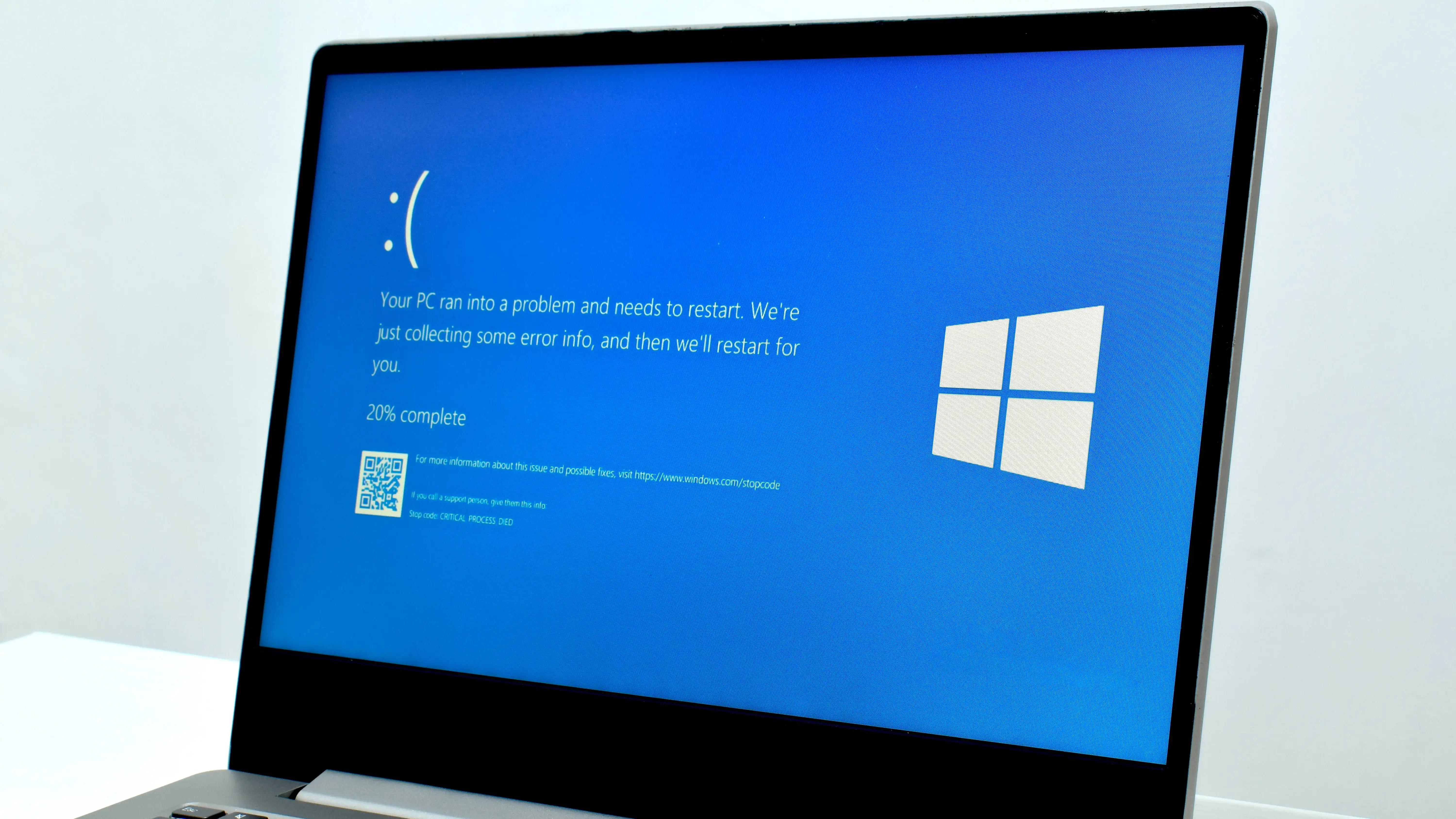
One key observation is that driver conflicts remain a significant issue. Even with automated updates, some drivers—particularly those for graphics cards or network adapters—can become outdated or incompatible, leading to system instability. Additionally, certain background processes, especially those related to security software or cloud services, can consume excessive resources without the user’s knowledge.
For users experiencing slowdowns, the solution may lie in auditing installed applications and reviewing driver versions rather than solely relying on Windows updates. The analysis also notes that hardware degradation over time, such as wear on SSDs or thermal throttling, can contribute to performance degradation, though these factors are often less obvious.
While Windows updates continue to play a role in system stability, the data suggests they are not the main driver of post-update issues. This insight could help users and IT professionals prioritize their troubleshooting efforts more effectively, focusing on areas where improvements are more likely to yield results.