Apple’s production strategy is undergoing a quiet but significant shift, one that could reshape the market dynamics for iPhones in the coming months. Sources indicate the company is delaying the launch of its base iPhone 18 model to prolong the shelf life of the current iPhone 17 lineup. The driving force behind this decision appears to be a growing concern over DRAM costs, which have surged due to supply chain constraints and increased demand for memory-intensive components.
This isn’t just about timing; it’s about margin. By keeping the iPhone 17 around longer, Apple stands to capture additional revenue streams while mitigating the financial impact of rising component expenses. For gamers and tech-savvy consumers, this could mean a more extended window to access the latest features without immediately jumping to the next generation. However, it also raises questions about whether Apple is prioritizing profitability over innovation in its base models.
The iPhone 17 lineup, which includes the iPhone 17, iPhone 17 Plus, and iPhone 17 Pro, has already set a high bar for performance and capabilities. The base model, likely the iPhone 17, is expected to feature a range of advancements that cater to both casual users and power users alike. These include
- Display: A larger, more immersive screen with enhanced brightness and color accuracy.
- Chip: The latest iteration of Apple’s in-house silicon, promising significant improvements in processing speed and efficiency.
- Memory: Increased RAM capacity to handle multitasking and gaming workloads more smoothly.
- Storage: Larger storage options, including a potential 256GB base model, addressing the growing need for storage in an era of high-resolution media and extensive app usage.
- Cameras: Advanced camera systems with improved low-light performance and computational photography features.
- Connectivity: Support for faster data speeds and more reliable connections, including 5G advancements.
These specifications suggest that the iPhone 17 lineup is designed to be a versatile device, capable of handling everything from everyday tasks to demanding applications like gaming. The increased RAM, for instance, could significantly enhance the experience for mobile gamers, allowing for smoother gameplay and faster load times. However, the delay in the base iPhone 18 model introduces an element of uncertainty. Will this delay result in a more competitive pricing strategy, or will it lead to a longer wait for those eager to upgrade?
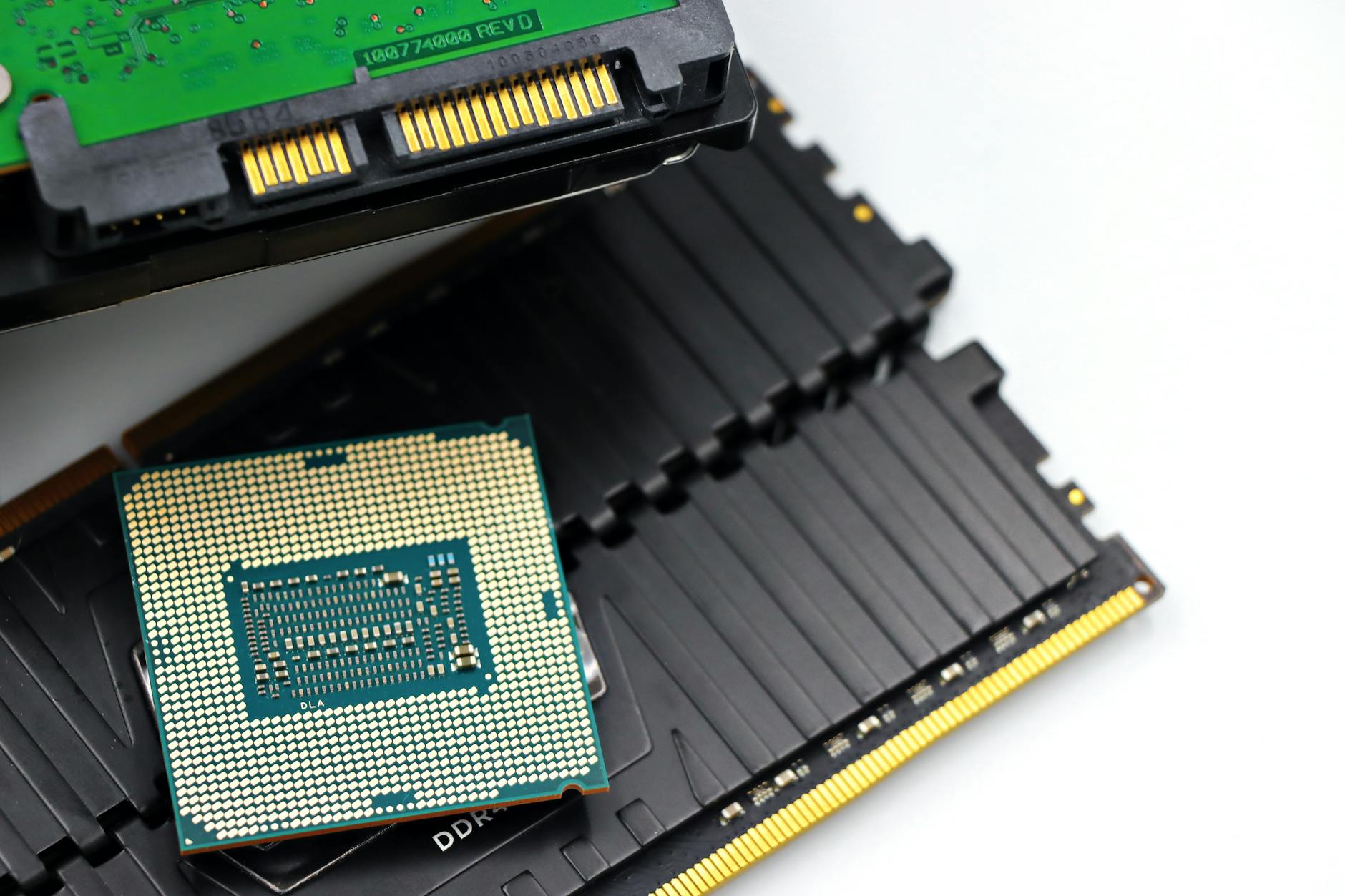
The decision to delay also brings to light the broader challenges facing the tech industry, particularly around component costs. DRAM prices have been on the rise due to factors such as increased demand for AI and machine learning applications, as well as supply chain disruptions. This trend is likely to continue, putting pressure on manufacturers to adjust their production strategies accordingly.
For Apple, this delay could be a strategic move to navigate these challenges while maintaining strong market positioning. It allows the company to optimize its production pipeline, ensuring that it maximizes margins without compromising on quality or innovation. However, the longer-term implications for consumers remain to be seen. Will this strategy translate into more affordable devices in the future, or will it result in a slower pace of upgrades for those who are always on the cutting edge?
As the tech landscape continues to evolve, Apple’s production decisions will undoubtedly have ripple effects across the industry. For now, gamers and tech enthusiasts may find themselves waiting a bit longer for the next generation of iPhones, but with the promise of potentially more value-packed devices on the horizon.