In an era where professionals juggle multiple devices—laptops, tablets, smartphones, and wearables—the need for a single, compact charger that can handle them all has become increasingly urgent. Kensington's latest expansion into multi-port USB-C power adapters and a 240 W fast-charging cable aims to meet this demand, but the trade-offs between convenience and cost are worth examining.
The new lineup includes a 70 W three-port adapter and a 140 W four-port adapter, both leveraging Gallium Nitride (GaN) technology. GaN chargers are known for their efficiency, operating cooler than traditional silicon-based chargers while reducing energy loss. This makes them particularly suitable for modern USB-C devices, which often require high-wattage charging to meet the demands of data-intensive workloads or AI-driven applications.
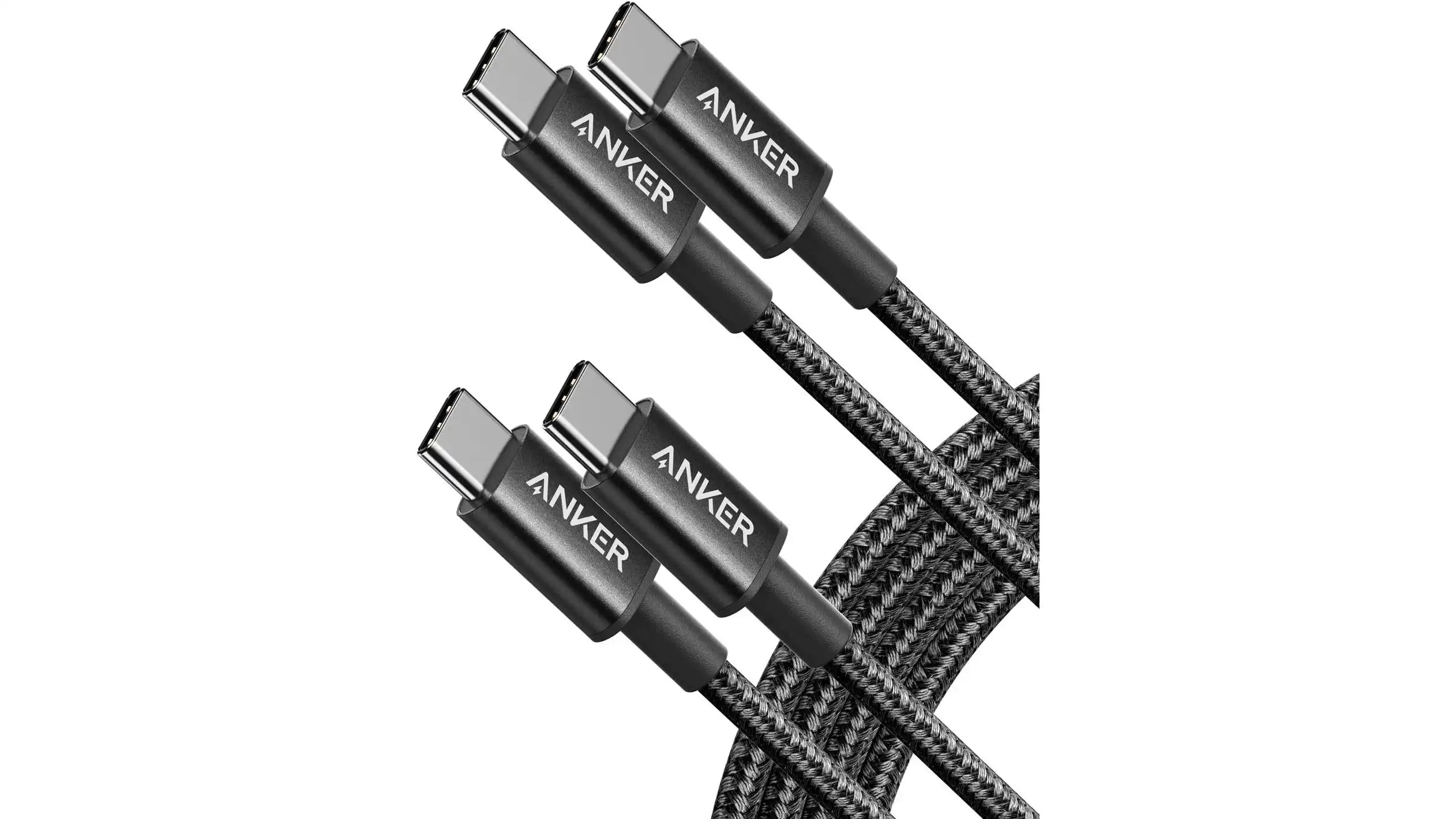
However, the practical benefits come with caveats. While the 140 W adapter can theoretically power a 16-inch MacBook Pro alongside other devices, real-world performance may vary depending on the device's power draw and the charger's ability to distribute power evenly across multiple ports. Similarly, the 240 W USB-C cable, designed for high-wattage charging, is backward-compatible with lower-wattage devices but may not offer significant speed improvements unless paired with a compatible PD 3.1 charger.

The introduction of these products also raises questions about their long-term viability in an industry rapidly shifting toward USB4 and higher power standards. While the new adapters support USB Power Delivery 3.1, the lack of explicit mention of USB4 compatibility suggests that users may need to upgrade again soon if they adopt next-generation devices.
For now, Kensington's GaN chargers offer a compelling solution for those looking to streamline their charging setup without sacrificing performance. The lightweight, foldable design and multi-port functionality make them ideal for hybrid workers, business travelers, and IT-managed environments where space is at a premium. However, users should weigh the immediate convenience against the potential need for future upgrades as power demands continue to rise.
The single most important change here is the shift from single-device charging to multi-port solutions, which simplifies workflows but may not fully address the evolving needs of high-performance computing. As data and AI workloads grow more demanding, the balance between current convenience and future-proofing will become even more critical.