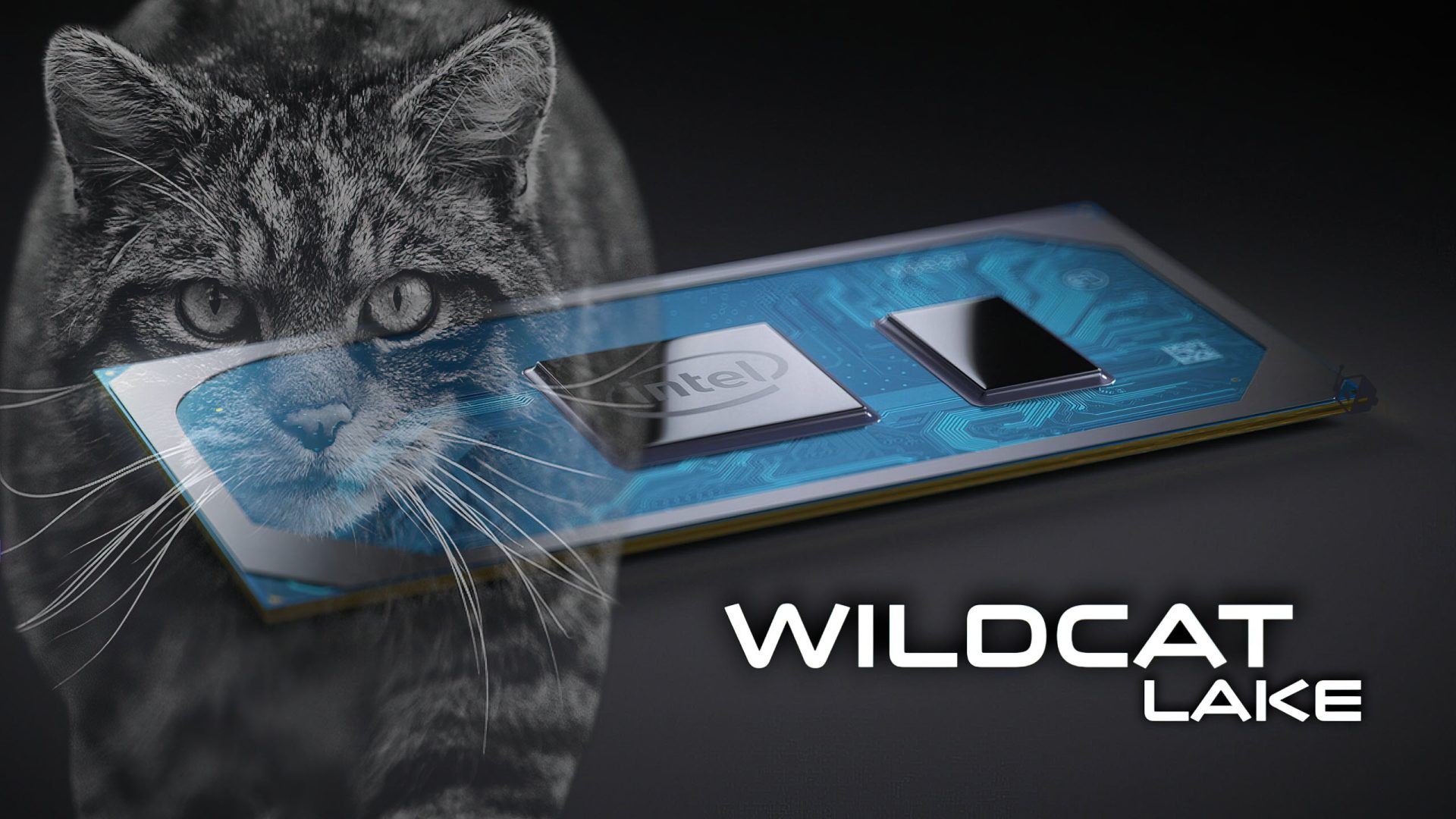
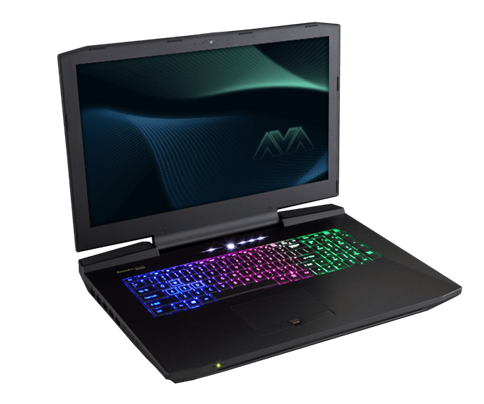
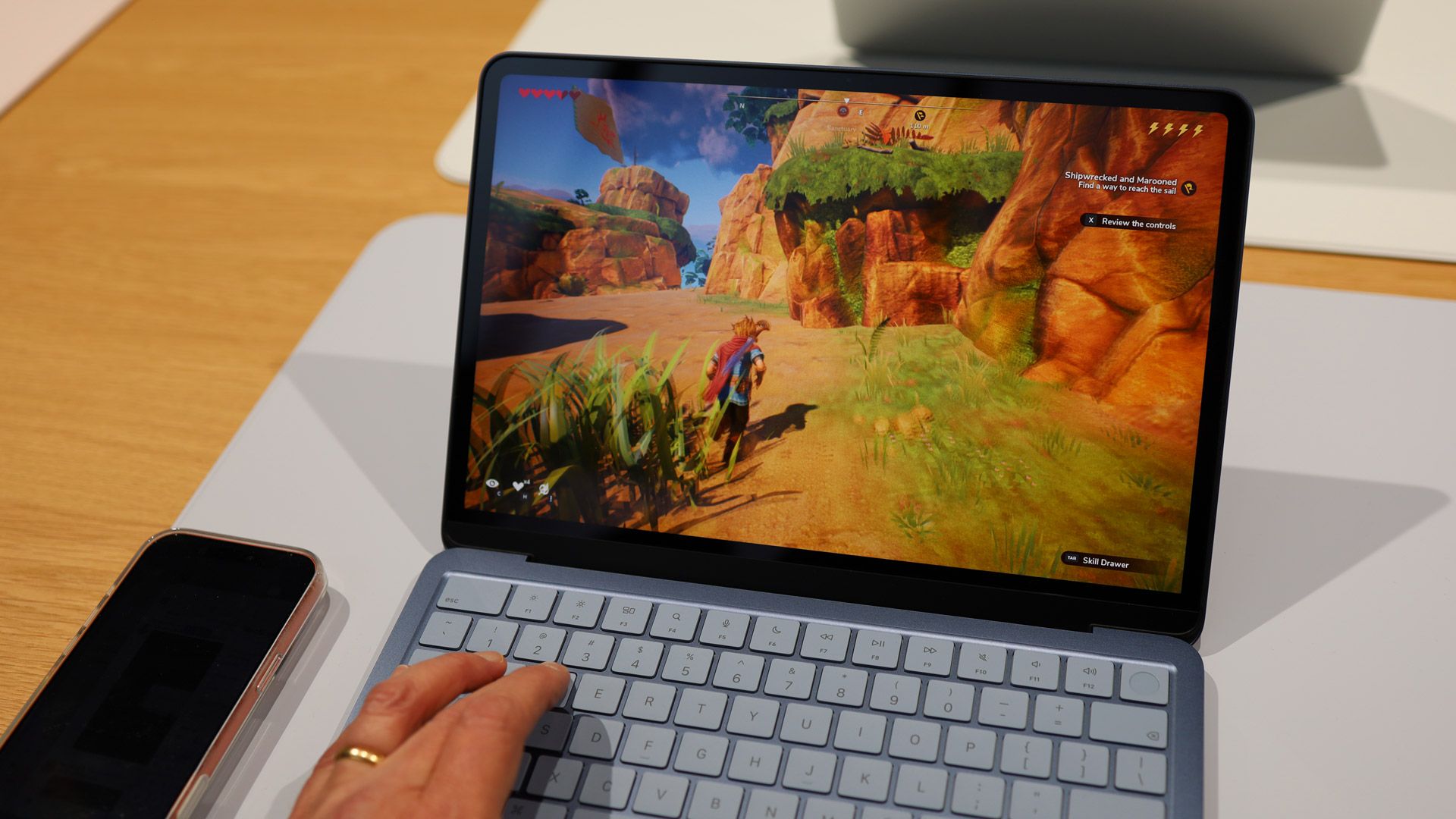
A processor introduced two years ago is not just another step forward in chip technology; it represents a fundamental shift in how business laptops are designed and used. By 2026, its influence is expected to extend beyond performance benchmarks into the very fabric of workstation design—cooling, power efficiency, and software integration.
This shift isn’t just about raw numbers like clock speeds or core counts. It’s about redefining what ‘balanced’ means in a laptop. Traditional designs often force users to choose between sustained performance and battery life, or between silence and cooling requirements. This chip breaks that mold by dynamically adapting to workload demands without sacrificing either.
Breaking the Performance-Efficiency Barrier
The chip’s architecture is built around a hybrid core model that blends high-performance cores with efficiency cores in a way that previous generations couldn’t match. While competing processors might offer similar core counts—such as 12 performance cores and 8 efficiency cores—the key difference lies in how these components communicate and share power.
- Under load, the chip can sustain a boost clock of up to 5.0 GHz without significant thermal throttling, a feat that was once reserved for high-end desktops.
- The efficiency cores handle background tasks—email, web browsing, or light multitasking—while the performance cores tackle demanding workloads like video editing or 3D rendering.
This isn’t just about raw power; it’s about sustainability. A laptop equipped with this chip can maintain high performance for extended periods without fan noise becoming intrusive—a critical factor in open-office environments or long-haul travel.
A New Standard for Workstations
The implications for PC builders and manufacturers are profound. For the first time, a mainstream processor allows for a true ‘one-size-fits-most’ approach to workstation design. Cooling requirements become more predictable, power consumption stabilizes under load, and battery life extends without compromising performance when needed.
However, this doesn’t come without trade-offs. The chip’s advanced features carry a premium price tag, making it less accessible for budget-conscious users. Additionally, its power efficiency means that laptops built around it may prioritize performance over portability—thinner, lighter designs are still an afterthought in this category.
Looking Ahead to 2026
The chip’s success is already sparking innovation across the industry. Manufacturers are exploring ways to further optimize thermal management, reduce power consumption without sacrificing performance, and integrate deeper software optimizations—such as AI-driven workload distribution—to push its capabilities even further.
The technology is here, and its potential to redefine productivity is undeniable. For professionals willing to invest in the future, it represents more than just an upgrade—it’s a paradigm shift.