A standing desk PC that folds into a single unit may look like the future of office setups, but it also highlights a growing tension in workplace design: how much workspace can you afford to sacrifice for mobility and style?
Lian Li’s latest desktop, designed with an upright form factor, merges monitor, keyboard tray, and CPU into one seamless unit. The result is a footprint that takes up less than 15 inches of desk space—ideal for tight offices or shared workstations—but the internal layout forces compromises on cooling and cable management that could matter more to small businesses than aesthetics.
The unit’s 24-inch front bezel houses a 360mm radiator, which is standard for high-end builds but leaves little room for additional fans or liquid cooling loops. Meanwhile, the keyboard drawer, while smooth in operation, restricts access to the rear of the case when elevated, making routine maintenance less convenient.

That’s the upside—here’s the catch: small businesses prioritizing agility over raw performance may find this design more practical than ever. The compact footprint allows multiple units to be arranged side by side without clutter, a key advantage in open-plan offices where desk real estate is limited. However, teams that rely on heavy workloads—rendering, data processing, or multi-GPU setups—will likely outgrow the constraints quickly.
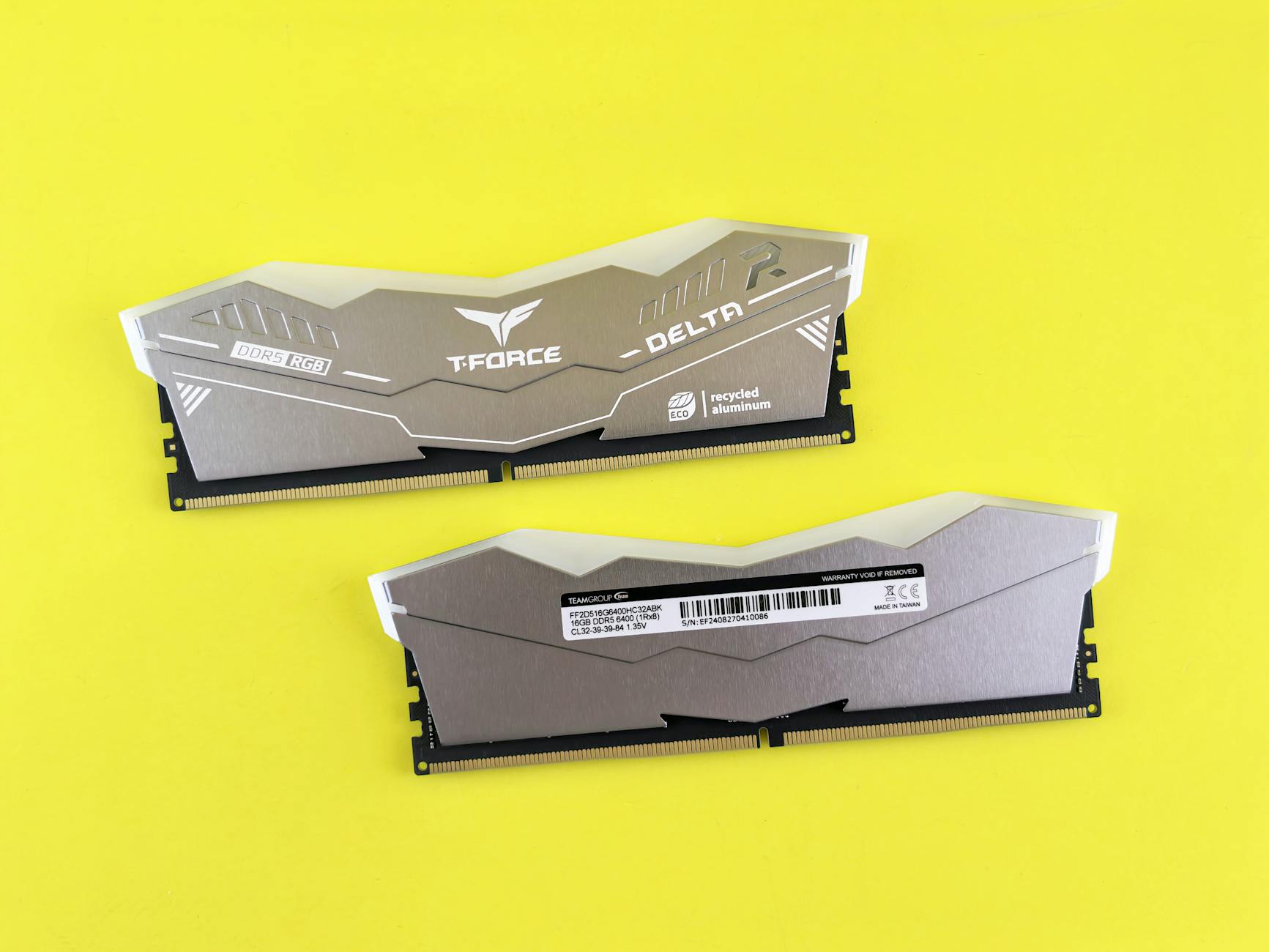
Pricing starts at $1,299 for the base model, which includes 32GB of DDR5 RAM and a 1TB NVMe SSD. A higher-tier configuration with 64GB of RAM and a 2TB SSD bumps the price to $1,799. Availability is expected in late July, with pre-orders opening next month.
The real question isn’t whether this design will appeal to those who value form over function—it’s how long it will take for competitors to address its limitations. If standing desks become a standard expectation rather than a luxury, the current trade-off between space and flexibility may not last long.