While the tech industry races toward digital-first workflows, Logitech’s approach to gaming mouse design remains rooted in a surprisingly hands-on tradition. The company’s industrial design team still begins every new mouse shape by carving rough prototypes from wooden blocks—an old-school method that defies the expectations of modern peripheral engineering.
The practice isn’t just nostalgia; it’s a deliberate choice. In a studio filled with 3D printers and CAD workstations, the wooden blocks sit as tangible proof of a philosophy: that the best designs must be felt before they’re finalized.
Why wood over digital?
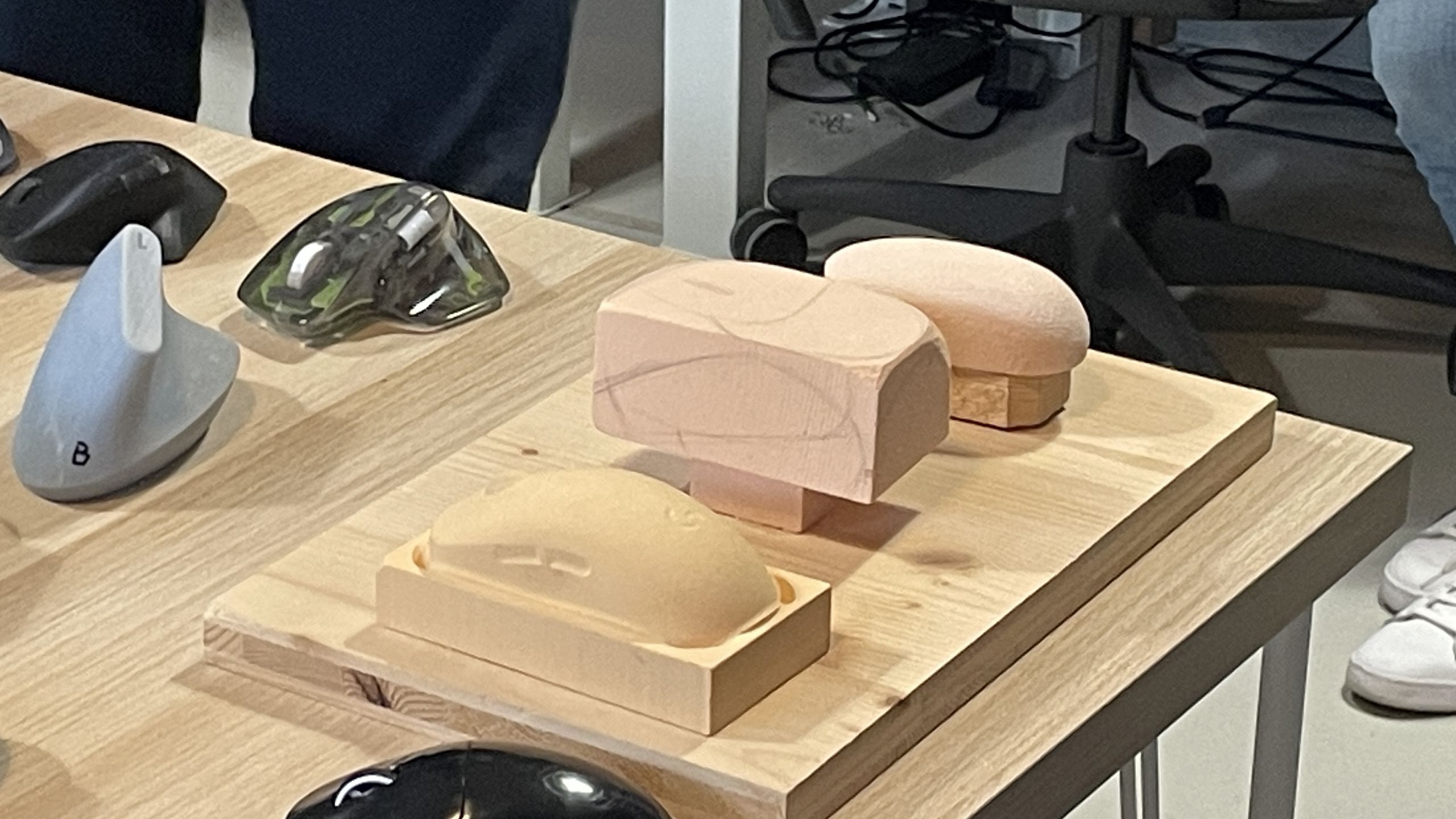
- The process allows designers to instantly refine angles and proportions by touch, something software can’t replicate.
- Each block is hand-cut with a band saw and shaped in a vice, creating a one-to-one scale model that evolves in real time.
- Logitech applies this method to nearly every new mouse shape, from concept to production.
The method’s benefits extend beyond functionality. Designers describe the tactile experience as deeply rewarding—almost like nurturing a physical creation. This hands-on approach also presents a challenge: younger designers often lack traditional woodworking skills, forcing Logitech to bridge the gap between analog craftsmanship and digital innovation.
On display in the studio were early wooden prototypes of the MX Master 2, now succeeded by the MX Master 4. The blocks, marked with pencil sketches and wear from shaping, represent key milestones in Logitech’s design evolution. Unlike mass-produced digital mockups, these prototypes carry the weight of human touch—literally.
The company’s commitment to this method underscores a broader truth: even in a high-tech field, the best products often begin with a human hand.